
Companion Plants
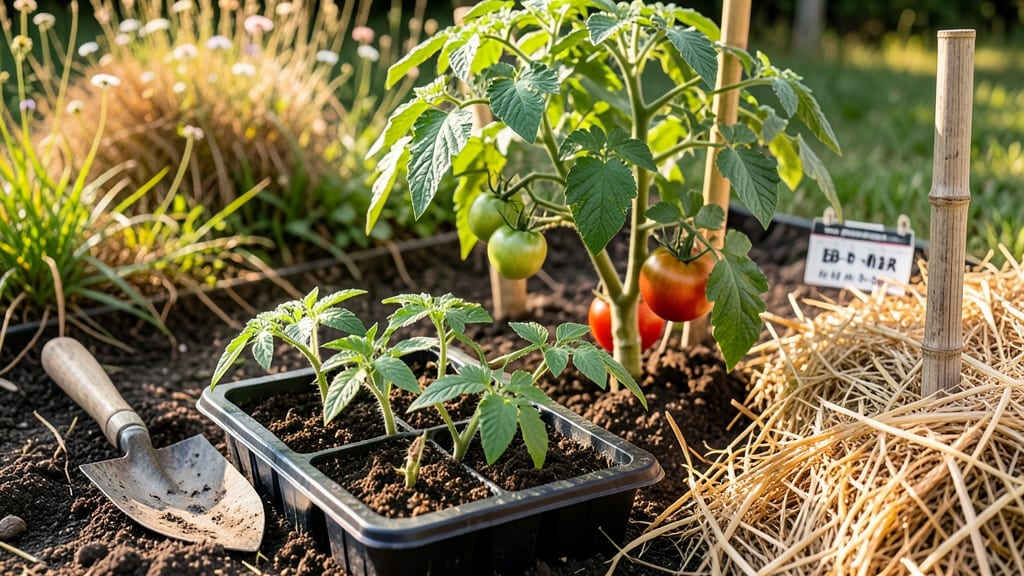
Planting tomatoes in Texas at the wrong time can turn your garden dreams into a bolting disaster—those tender plants racing to flower before they're ready, leaving you with bitter fruit or worse.
The key to success? Timing it right, when soil temperatures hit 60°F and nighttime lows stay above 50°F, so your 🍅 plants thrive instead of struggle.
Texas isn't one-size-fits-all when it comes to tomato planting. North Texas gardeners have a 3-week head start compared to their South Texas counterparts, thanks to earlier last-frost dates.
Whether you're in Zone 8a or 10b, knowing your region's heat zone means the difference between a bumper crop and a sad, wilting vine.
You might think spring is the only window, but savvy Texas gardeners also plant in fall—just 60 days before first frost—to snag a second harvest.
The trick? Choosing heat-tolerant varieties like 'Heatmaster' or 'Solar Fire' that won't bolt in 100°F heat, plus mastering shade cloth and mulching to keep roots cool.
Let me show you the exact planting dates, soil prep secrets, and variety picks that'll have your tomatoes ripening like clockwork—no guesswork, just guaranteed success for your Texas garden.
Texas heat zones explained: best planting dates by region
Texas' extreme heat and varied climate make timing tomato planting critical to avoid bolting or poor yields. The Lone Star State spans USDA Zones 8a-10b, but we'll break it into three key heat zones with precise windows to maximize your harvest.
Understanding these zones helps you avoid early-season frosts in North Texas or summer heat stress in South Texas.
Each zone has distinct last frost dates and soil temperature thresholds—waiting until soil reaches 60°F (15°C) prevents cold damage.
For example, North Texas (Zone 1) gardeners should plant transplants in mid-February, while South Texas (Zone 3) can start seeds as early as late March. Let’s dive into the specifics for each region.
| Zone | Last Frost Date | Best Transplant Window | Seed Start (Indoors) | Soil Temp Threshold | Key Risk |
|---|---|---|---|---|---|
| Zone 1 (North Texas) | February 15 | Mid-February to early April | Late January (6-8 weeks before last frost) | 60°F (15°C) | Late frosts |
| Zone 2 (Central Texas) | February 1 | Late February to early May | Early February (6-8 weeks before last frost) | 60°F (15°C) | Summer heat stress |
| Zone 3 (South Texas) | January 15 | Late March to early June | Late February (6-8 weeks before last frost) | 65°F (18°C) | Bolting from heat |
In Zone 1 (North Texas), where cities like Amarillo and Lubbock fall, the biggest challenge is late-season frosts. Planting transplants in mid-February gives your tomatoes a head start before the 100+°F summers arrive.
For seed starting, begin indoors in late January to ensure seedlings are ready by early April. Use row covers for extra protection if nighttime temps dip below 50°F (10°C).
Central Texas (Zone 2), including Austin and San Antonio, offers a longer growing season but requires careful timing to avoid summer heat stress. Plant transplants from late February to early May for two harvests: one in spring and another in fall.
Start seeds indoors in early February and harden them off before transplanting. This zone benefits from drip irrigation to keep roots cool during peak heat.
For South Texas (Zone 3), where Houston and Corpus Christi experience year-round warmth, the focus shifts to avoiding bolting from early heat. Plant transplants from late March to early June and start seeds indoors in late February.
The higher soil temperature threshold (65°F/18°C) means you can push planting later, but shade cloth (30-50%) is a must for young plants in April and May.
Pro tip: Use a soil thermometer to confirm temperatures before planting—cold soil delays germination and stunts growth. In Zone 1, aim for 60°F (15°C); in Zone 3, wait until 65°F (18°C) to prevent bolting.
For fall planting, watch your local first frost date (typically December 1 in North Texas and November 15 in South Texas) and plant seeds indoors 8-10 weeks before.
Another strategy for Zone 3 gardeners is to opt for heat-tolerant varieties like ‘Heatmaster’ or ‘Solar Fire’, which thrive in temperatures up to 100°F (38°C). Pair this with mulching (straw or black plastic) to retain moisture and regulate soil temps.
In Zone 1, focus on early-maturing varieties like ‘Early Girl’ or ‘Celebrity’ to beat the heat.
Don’t forget about succession planting—in Zone 2 and 3, you can stagger plantings every 2-3 weeks from March to June for a continuous harvest. This works especially well with determinate varieties, which produce fruit all at once.
For indeterminate types (like ‘Better Boy’), a single planting in early spring will reward you with tomatoes all season.
Finally, monitor your local extended forecasts—unpredictable cold snaps in Zone 1 or early heat waves in Zone 3 can disrupt your timeline. If a cold front is forecasted, protect young plants with frost cloth or move containers indoors. For Zone 3’s heat,
How to prevent bolting in Texas heat: pro tips for success
Texas summers can turn your tomato plants into bolting machines—those poor plants racing to flower before they're ready, leaving you with tiny, bitter fruit instead of juicy, vine-ripened 🍅 treasures.
The key to stopping this heat-induced panic? A few simple but powerful strategies tailored to our brutal sun and relentless heat.
Bolting happens when your tomato plants sense stress from heat or drought conditions, triggering them to flower prematurely. In Texas, where 100°F+ days are common, this is a real threat.
But with the right techniques—like strategic shade, deep watering, and smart mulching—you can keep your plants focused on leaf and fruit production instead of bolting.
🌱 5 Pro Tips to Stop Bolting in Texas Heat
- 1. Install shade cloth at 30-50% coverage when temps hit 90°F+. Use white or silver cloth to reflect heat, not absorb it.
- 2. Mulch heavily with 2-3 inches of straw or wood chips to keep roots 5-10°F cooler than surface temps.
- 3. Water deeply in the early morning—aim for 1-1.5 inches per week—to prevent root stress from drought.
- 4. Choose heat-tolerant varieties like 'Heatmaster' or 'Solar Fire', bred to handle Texas heat without bolting.
- 5. Prune suckers aggressively to redirect energy to fruit production instead of flowering. Focus on main stems and lower branches.
One of the most effective ways to prevent bolting is using shade cloth during peak heat. I recommend installing 30-50% shade cloth when temperatures climb above 90°F. This reduces soil and plant temperatures by 10-15°F, giving your tomatoes a fighting chance.
For extra protection, use white or silver cloth—these reflect heat instead of absorbing it like black or dark fabrics.
Don't underestimate the power of mulching. A thick layer of 2-3 inches of straw or wood chips acts like an insulator, keeping your soil 5-10°F cooler than the air temperature.
This is especially critical in Texas, where blacktop heat can bake your roots. Plus, mulch helps retain moisture, reducing the need for frequent watering, which can stress plants.
Your watering schedule is just as critical as your mulch. Tomatoes need deep, consistent watering—aim for 1-1.5 inches per week—but timing matters. Always water in the early morning to reduce evaporation and fungal risks.
Avoid wetting leaves, as this can lead to blight, a common issue in Texas humidity. A drip irrigation system is ideal for keeping roots moist without stressing the plant.
Finally, choose your tomato varieties wisely. Some varieties are bred to handle Texas heat without bolting. My top picks? 'Heatmaster' (a heat-tolerant hybrid) and 'Solar Fire' (a cherry tomato that thrives in high temps).
These varieties focus on fruit production instead of bolting, even when the mercury soars. Pair them with proper care, and you'll be harvesting juicy, flavorful tomatoes all season long.