
Plants
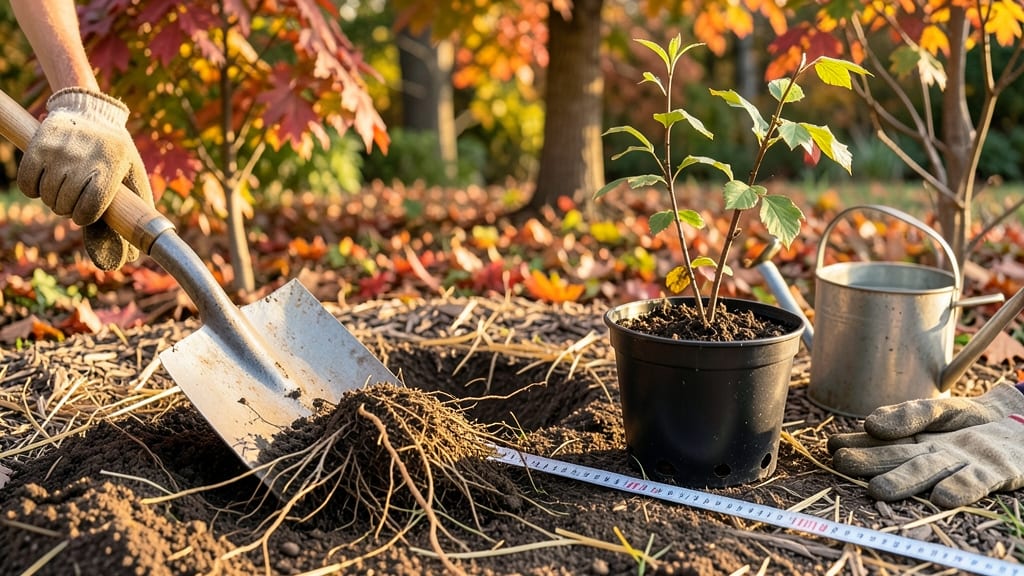
Timing your dogwood tree 🌳 planting in fall could mean the difference between a thriving tree and one struggling to take root. The ideal window—late September to early November—lets the tree establish roots before winter, but get it wrong, and you risk weak growth or frost damage.
I’ve planted dozens of dogwoods, and the key is understanding your hardiness zone. In zone 6a, where many gardeners live, the sweet spot is October—when soil stays warm enough for roots to grow but nights grow cooler to signal dormancy.
Miss this window, and you might end up with a tree that’s too stressed to bloom next spring.
What makes fall planting so effective? Cooler air and moist soil create perfect conditions for root development without the heat stress of summer. But there’s a catch: planting too late means roots won’t have time to anchor before the ground freezes.
I’ll walk you through exactly when to plant in your zone—and how to prep your soil for success.
Ready to give your dogwood the best possible start? Let’s break down the zone-specific deadlines, soil prep tips, and post-planting care to ensure your tree thrives from day one.
Fall planting deadlines by USDA hardiness zones: when to act fast
Fall is the best time to plant dogwood trees because cooler temperatures and soil moisture encourage strong root growth before winter dormancy. But timing varies dramatically by USDA hardiness zone.
Plant too early, and your dogwood may suffer from drought stress; too late, and roots won’t establish before freeze. Here’s how to nail the perfect window for your region.
Dogwoods thrive when planted 4-6 weeks before ground freezes, giving roots time to establish before winter. Soil temperatures between 50-60°F are ideal for root growth.
In warmer zones, this means planting in October or early November, while colder zones may need to plant as early as late August or September. Let’s break it down by zone.
Soil temperature is your best guide—use a soil thermometer to check. Roots grow best when soil is warm enough but not yet cooling for winter. In Zone 3-5, aim for late August to mid-September; in Zone 6-8, October to early November works best. Zones 9-10 can plant until mid-November or even December in mild climates.
| USDA Zone | Bare-Root Planting Window | Container-Grown Window | Soil Temp Goal (°F) | Key Risk |
|---|---|---|---|---|
| 3-4 | Late August - Mid-Sept | Early Sept - Early Oct | 50-55°F | Early freeze |
| 5-6 | Mid-Sept - Early Oct | Late Sept - Mid-Oct | 50-58°F | Drought stress |
| 7-8 | Late Sept - Early Nov | Early Oct - Late Nov | 55-60°F | Late frost |
| 9-10 | Oct - Mid-Nov | Nov - Early Dec | 60-65°F | None (mild winters) |
Bare-root dogwoods need sooner planting than container-grown ones because their roots dry out faster. In Zones 3-5, plant bare-root trees by mid-September to avoid winter stress. Container-grown dogwoods are more flexible—you can plant them 2-3 weeks later since their roots stay moist longer.
Regional adjustments matter! In Pacific Northwest (Zone 7-8), wait until mid-October to avoid late fall rains that can drown roots. In Southeast zones (8-9), plant by November 1st to escape hurricane season moisture. Always check your local frost dates—planting too late risks root freeze before establishment.
Pro tip: Use a soil thermometer to confirm readiness. If soil temps drop below 40°F, roots stop growing. In Zone 4-5, this can happen as early as October 15th, so act fast! For Zone 9-10, soil may stay warm until December, giving you extra time.
Adjust for microclimates too. Urban areas stay warmer than rural spots, while valleys freeze earlier than hills. If your yard has frost pockets, plant on the sunniest, warmest slope to extend the growing window. A 3-4°F difference can mean weeks of extra root growth time.
Don’t stress if you miss the ideal window—just plant as soon as possible. A dogwood planted in late November in Zone 6 may still survive, but
Signs your fall dogwood planting timing is perfect (or terrible)
Your dogwood tree 🌳 will thrive when planted during the 6-week window before your region’s first hard frost. But how do you know if you’ve nailed the timing? Start by checking your soil temperature—it should hover between 50°F and 60°F for optimal root growth.
Use a soil thermometer to confirm; if it’s cooler, your tree may struggle to establish before winter.
Another key indicator is leaf drop in surrounding trees. When maples, oaks, and birches begin shedding leaves, it’s a natural signal that your dogwood is ready to plant.
This usually aligns with late September to early October in most zones, but watch for unexpected cold snaps—they can force early dormancy and stunt root growth.
Pay attention to frost forecasts too. If your local weather service predicts a hard freeze within 4-6 weeks, it’s time to plant. Dogwoods need 4-6 weeks of warm soil to develop strong roots before the ground freezes.
Planting too late means roots won’t have time to anchor, leaving your tree vulnerable to winter stress.
⚠️ Planting Too Early or Too Late: The Risks
Too Early (Before Mid-September): Soil is still warm, increasing drought stress and fungal risks. Young roots may dry out before winter.
Too Late (After Mid-November): Roots won’t establish before ground freeze, leading to weak growth or death in extreme cases.
Pro Tip: Bare-root dogwoods need 4-6 weeks to root; container-grown trees have 2-3 weeks—adjust timing accordingly.
Watch for soil moisture levels as well. The ground should feel damp but not soggy—a good sign your dogwood’s roots will thrive. If your soil is bone-dry, hold off until after a light rain.
Overly saturated soil, however, can suffocate roots, so avoid planting after heavy downpours unless the ground drains quickly.
Finally, consider your local microclimate. Urban areas often experience heat islands, delaying frost by 1-2 weeks compared to rural zones. If you’re unsure, ask a local nursery or check your USDA zone map.
For example, zone 6a gardeners should aim for mid-October, while zone 7b can plant until early November.
If you’ve missed the ideal window, don’t panic. You can still plant in early spring, but be prepared for slower root establishment. The key is to adjust your care routine—water deeply, mulch heavily, and protect young trees from late frosts with burlap wraps if needed.
With the right timing, your dogwood will reward you with vibrant spring blooms for years to come. 🌷