
Plants
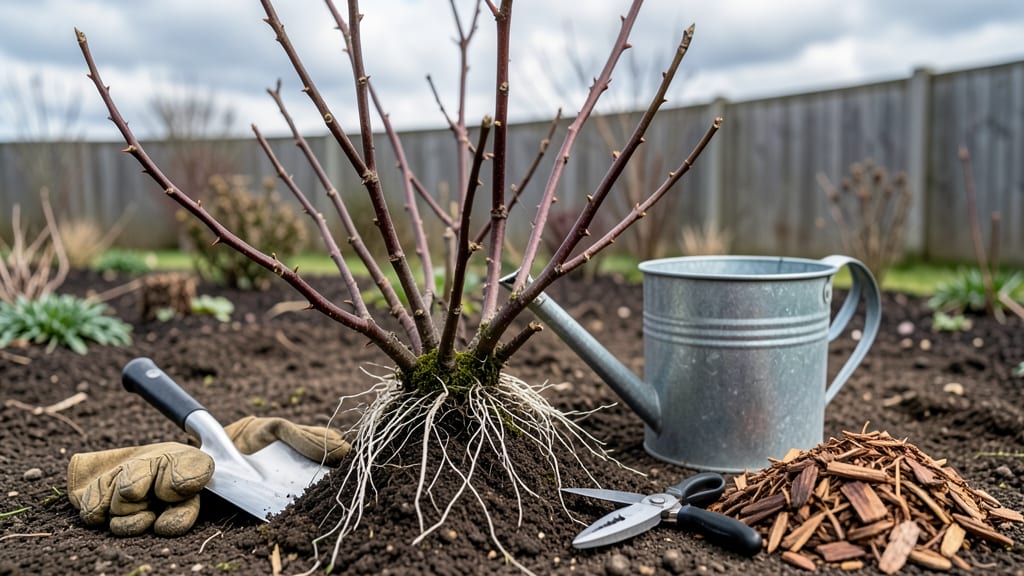
Planting bare root roses in Zone 9 at the wrong time can turn your fast root establishment into a slow, frustrating wait—because soil temperature is the real game-changer most gardeners overlook.
Unlike colder climates, Zone 9’s mild winters mean you’ve got a narrow window to get it right, and timing isn’t just about months—it’s about degrees.
If you’ve ever wondered why some roses take off while others struggle, the answer lies in the ground’s temperature. Too hot or too cold, and your 🌹 may not thrive.
I’ll show you exactly when to plant for fast root growth, whether you’re in coastal 9b or inland Zone 9, so you can skip the guesswork and get straight to blooms.
Most gardeners assume late fall or early spring is the only time to plant, but in Zone 9, those months can be tricky. The key is planting when soil temps hit that sweet spot—50-60°F—and I’ll break down how to check it without fancy tools.
Plus, I’ll share my go-to tricks for prepping bare roots so they’re ready to hit the ground running.
Ready to plant with confidence? Let’s dive into the exact timing, soil prep secrets, and post-planting care that’ll give your roses the fast start they deserve—no more waiting around for next season.

Optimal soil temperature ranges for planting bare root roses in Zone 9
Planting bare root roses in Zone 9 requires precise attention to soil temperature—a factor that determines whether your roses establish strong roots or struggle to thrive. Unlike cooler climates, Zone 9's mild winters and hot summers create unique challenges.
The ideal soil temperature range for planting is between 50°F and 60°F, allowing roots to grow without heat stress or cold shock.
This temperature window ensures root establishment happens quickly, giving your roses a head start before summer heat arrives. If you plant when soil is too cold (<45°F), roots may rot. If it's too warm (>65°F), roots can dry out before they establish. Zone 9's microclimates—like coastal areas staying cooler longer—add another layer of complexity to timing.
Testing soil temperature accurately is critical. A soil thermometer (available for $10-$15) is the gold standard. Insert it 6 inches deep—the depth where rose roots will grow—early in the morning for the most reliable reading.
For a DIY method, press your hand into the soil; if it feels cool but not freezing, it’s likely in the optimal range.
Here’s how soil temperature affects planting success in Zone 9:
| Soil Temperature (°F) | Planting Window | Root Establishment Risk | Zone 9 Adjustments |
|---|---|---|---|
| Below 45°F | Avoid planting | Root rot from cold soil | Wait for coastal areas (later) |
| 50–60°F | Ideal planting time | Fast root growth | Best for inland Zone 9 |
| 60–65°F | Tolerable with caution | Slower root growth | Plant early morning |
| Above 65°F | Avoid planting | Roots dry out | Wait for fall planting |
In Zone 9's coastal areas, soil stays cooler longer due to ocean breezes. For example, San Diego may have ideal planting conditions in January-February, while inland areas like Phoenix should aim for November-December.
Always check soil temperature in the late afternoon—if it’s rising toward 65°F, delay planting until cooler hours.
If you’re planting in late winter (February-March), monitor soil temperature closely.
Morning lows may dip below 50°F, but afternoon highs can exceed 65°F. Plant in the early morning when soil is coolest, then mulch heavily to retain moisture and moderate temperature swings. Organic mulch, like wood chips, works best for this purpose.
For DIY soil temperature testing without a thermometer, use the "finger test": Press your index finger into the soil. If it feels cool but not icy, it’s likely in the 50–60°F range.
For a more precise method, bury a thermometer in a cup of water at the same depth for 30 minutes—this mimics soil moisture conditions better than dry readings.
Remember, bare root roses need 3–4 weeks to establish roots before summer heat arrives. If you plant in late winter, prioritize shade cloth or temporary shade structures to protect young plants.
In Zone 9's hot summers, established roses can handle heat, but newly planted ones need extra care during the first critical months.
Pro tip: If your soil temperature is too warm in early spring, try planting in a shaded bed or use black plastic mulch to absorb heat and keep roots cooler. This trick buys you extra time to plant when conditions are less than ideal.
Best months to plant bare root roses in Zone 9 (with local climate adjustments)
In Zone 9, planting bare root roses isn’t just about picking a season—it’s about avoiding the heat stress of summer while leveraging the cooler months for root establishment.
Unlike northern climates, Zone 9’s mild winters and hot summers create two ideal windows: late fall/winter for dormancy and early spring for growth. I’ve planted dozens of bare root roses here, and timing is everything—especially when balancing coastal (cooler, foggy) vs. inland (hotter, drier) microclimates.
The biggest mistake I see? Planting in April or May when soil temps already flirt with 70°F. Your roots will dry out before they establish. Instead, aim for when soil temps sit between 50-60°F—that’s your sweet spot for fast root growth without stress.
Let me show you exactly when to dig in, month by month, with adjustments for your local conditions.
- November-December (Coastal Zone 9b): Plant bare root roses in winter dormancy (soil temps: 50-55°F). Coastal areas stay cooler longer—ideal for root establishment before spring growth.
- February (Inland Zone 9): Wait until soil temps rise above 55°F—usually late February. Inland areas warm faster; planting too early risks heat stress.
- March (All Zone 9): The safest window for most gardeners. Soil temps hover at 55-60°F, and roses wake from dormancy without summer heat.
- Avoid April-May: Soil temps often exceed 70°F, causing roots to dry out. Exception: coastal fog belts where temps stay mild.
- Post-Planting Care: Water deeply twice weekly for 4 weeks, then taper to weekly. Mulch with 3 inches of compost to retain moisture.
If you’re in a coastal Zone 9b (think San Francisco or Santa Barbara), you’ve got more flexibility. The ocean breeze keeps soil cooler, so you can plant as late as January without risking heat stress.
Inland areas? Play it safe and stick to November-February—any later, and your roses will struggle to establish before the summer heat hits.
Pro tip: Check soil temps with a soil thermometer (or your finger—if it feels warm to the touch, wait). I’ve seen gardeners rush planting in early March only to have their roses wilt by May. Patience pays off—your roses will thank you with vibrant blooms next season.
After planting, focus on watering consistency and mulching. Bare root roses need deep watering (1-2 gallons per plant) every 2-3 days for the first month. Skip the fertilizer until new growth appears—your goal is roots, not flowers. Once established, you’ll see those 🌹 buds in 6-8 weeks.