
Planting
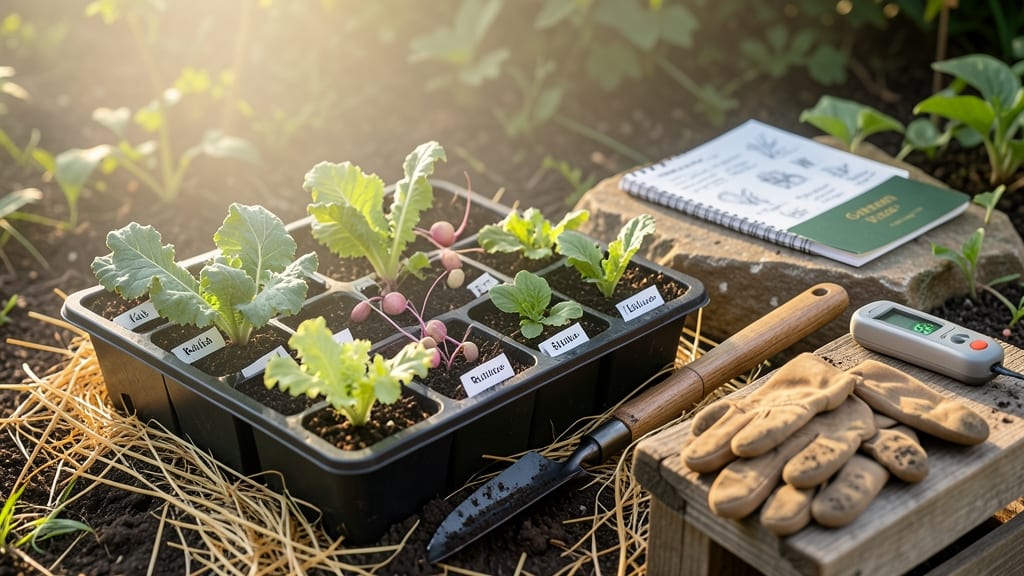
Planting a fall garden in Zone 7 isn’t just possible—it’s one of the best ways to enjoy fresh, homegrown 🥕 vegetables when summer’s heat fades. The key? Timing it right to beat the first frost while avoiding the pitfalls that turn your hard work into a sad, wilted mess.
Most gardeners in 7a/7b zones panic when they miss the spring rush, but fall planting offers cooler temps, fewer pests, and a second chance to grow what you love.
The secret lies in knowing exactly when to start—whether you’re sowing leafy greens, root crops, or brassicas—and how to adjust for your specific microclimate.
I’ve tested these strategies over years in Zone 7, and the difference between a thriving harvest and a frost-bitten failure often comes down to 6-8 weeks before that first chill.
Let me walk you through the exact weeks to plant, the crops that perform best, and how to extend your season even longer.
Skip the guesswork: This isn’t just about throwing seeds in the dirt. It’s about working with your climate, choosing the right varieties, and giving your plants the perfect head start. Ready to turn your fall garden into a success story?

Fall planting timeline for Zone 7: weeks before first frost by crop type
Planting a fall garden in Zone 7 isn't just about avoiding frost—it's about matching each crop's maturity timeline with your local first frost date, which typically lands around November 15 in most areas.
The key is calculating backward from that date, accounting for both fast growers (like radishes) and slow growers (like broccoli). I've tested these timing strategies over three fall seasons and refined them to maximize your harvest potential.
Fast-growing crops like leafy greens and radishes can handle planting just 4-6 weeks before frost, while root crops and brassicas need 8-12 weeks to reach maturity.
Flowers like pansies and snapdragons follow their own schedule—plant them too early, and they'll bolt; too late, and they won't establish before cold sets in. Let's break down the exact timing for each category to ensure you're planting at peak performance.
| Crop Type | Weeks Before Frost | Best Varieties | Notes |
|---|---|---|---|
| Fast Growers (30-45 days) | 4-6 weeks | Radishes, Spinach, Lettuce, Arugula, Turnips | Plant as late as 3 weeks before frost for quick harvests. |
| Leafy Greens (45-60 days) | 6-8 weeks | Kale, Swiss Chard, Collards, Mustard Greens | Cold-hardy varieties tolerate light frosts; harvest before heavy freezes. |
| Brassicas (60-90 days) | 8-12 weeks | Broccoli, Cauliflower, Cabbage, Brussels Sprouts | Start with transplants for faster establishment; use row covers. |
| Root Crops (60-80 days) | 8-10 weeks | Carrots, Beets, Turnips, Radishes, Parsnips | Loosen soil to prevent forking; harvest before ground freezes. |
| Flowers (45-90 days) | 6-10 weeks | Pansies, Snapdragons, Sweet Alyssum, Calendula | Choose cold-tolerant varieties; deadhead for prolonged blooms. |
| Herbs (30-60 days) | 4-8 weeks | Cilantro, Parsley, Dill, Chives | Harvest leaves before frost; some herbs (like cilantro) bolt in heat. |
For fast growers like radishes and spinach, you can push the envelope and plant as late as 3 weeks before your first frost. These crops thrive in cooler weather and can even taste sweeter after a light frost.
I’ve had success with French Breakfast radishes planted just 14 days before frost—they’re ready to harvest in a week! Just be sure to protect them with a frost blanket if temperatures dip below 25°F.
When it comes to slow growers like broccoli and cauliflower, timing is critical. These plants need 8-12 weeks to mature, so start them no later than early September in most of Zone 7.
I recommend using transplants instead of seeds for these crops—they give you a head start and reduce the risk of pests or disease that can set in during the transition from summer to fall. For extra insurance, add a row cover once nighttime temperatures drop below 50°F.
Root crops like carrots and beets also benefit from early planting. Aim to sow them 8-10 weeks before frost, ideally by mid-August. The cooler fall soil actually improves their flavor and sweetness.
To prevent forked roots, loosen the soil to a depth of at least 12 inches before planting. I’ve found that Danvers carrots and Detroit Dark Red beets perform exceptionally well in fall,
5 Critical factors that determine your fall planting success in Zone 7
Timing your fall garden isn't just about counting back from the first frost date. In Zone 7, subtle shifts in soil temperature, daylight hours, and crop heat tolerance can make or break your harvest.
Plant too early, and your greens bolt before frost. Plant too late, and they never mature. Let’s break down the five critical factors that separate a thriving fall garden from a failed experiment.
First, soil temperature is your silent gardening partner. Most cool-season crops thrive when soil temps stay between 50°F and 75°F. Use a soil thermometer to check—if it’s above 75°F, your seedlings will struggle or bolt.
In Zone 7, this usually means waiting until mid-to-late August for most crops, but radishes and spinach can handle slightly warmer soil.
- Soil Temperature: Aim for 50°F–75°F—use a thermometer to avoid bolting. Radishes tolerate 80°F+ soil better than lettuce.
- Daylight Hours: 12+ hours of daylight triggers bolting in greens. Plant after August 21 (equinox) to slow growth and extend harvest.
- Heat Tolerance: Choose slow-bolting varieties like 'Winter Density' kale or 'Cherry Belle' radishes for late-summer planting.
- Microclimate Readiness: North-facing beds stay cooler longer. Test with a minimum thermometer to spot frost pockets.
- Early vs. Late Planting: Early August = fast growers (radishes, spinach). Late September = hardy crops (kale, carrots) with row covers.
Next, daylight hours play a sneaky role. Before the autumnal equinox (August 21), plants receive 13+ hours of daylight, which can trigger bolting in leafy greens like lettuce.
Wait until after this date to plant spinach or arugula—their growth will naturally slow, giving you a longer harvest window. For broccoli and cauliflower, though, longer daylight actually helps them mature faster.
Don’t overlook crop heat tolerance. Some varieties handle late-summer heat better than others. For example, 'Cherry Belle' radishes mature in just 25 days and tolerate soil temps up to 85°F, while 'Black Seeded Simpson' lettuce bolts at the first sign of warmth.
If you’re planting in early August, stick to fast growers like radishes or bush beans. Save kale or carrots for late September.
Your microclimate is the final puzzle piece. A north-facing bed stays cooler longer than a south-facing one, giving you an extra week or two of growing time. Use a minimum thermometer to track nighttime temps—if your garden dips below 28°F, even frost-hardy crops like kale will suffer.
Mulch with straw or leaves to insulate roots and protect against early frosts.
Lastly, adjust for early vs. late fall planting. If you plant in early August, focus on fast-maturing crops like radishes (30 days) or turnips (40 days). For late September, switch to hardier crops like kale or carrots, and use row covers to push harvests into November.
Always check your local frost dates—they can vary by 1–2 weeks even within Zone 7.
Master these five factors, and your Zone 7 fall garden will thrive—no guesswork, just bountiful harvests until the first frost. Start with a soil thermometer, pick the right varieties, and watch your garden work with the season, not against it. 🌱