
Plants
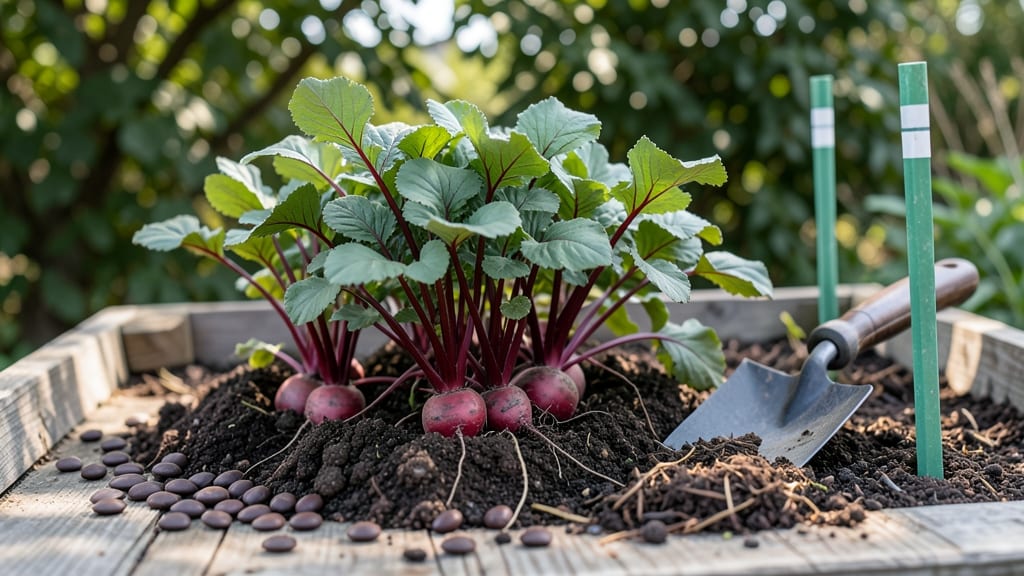
Planting fall beets in Zone 6 isn't just about timing—it's about beating the clock before frost turns your garden into an icy wasteland. The key?
Start your 🥕 seeds 4–6 weeks before your first frost date (usually late August to early September), when soil temps hover between 50–65°F—too early, and they’ll bolt; too late, and you’ll miss the sweet spot for harvest.
I’ve learned the hard way that rushing or delaying can mean the difference between a bumper crop and a sad, stunted harvest.
Whether you’re a seasoned gardener or just dipping your toes into fall planting, this exact schedule will help you grow beets that stay crisp and flavorful through October—even if your zone leans toward early frost.
But here’s the twist: not all Zone 6 areas are created equal. If you’re in the cooler 6a side, you’ll need to plant earlier than those in 6b. And if your garden sits in a frost-prone pocket?
We’ll cover how to adjust your timing (and protect your plants) so you’re not left with half-grown roots when winter hits.
Ready to unlock the secret to a foolproof fall beet harvest? Let’s dive into the precise weeks that separate success from disappointment—and how to tweak your approach for your specific microclimate.

Ideal planting weeks for fall beets in Zone 6 (with frost timing)
Fall beets are one of my favorite cool-season crops because they actually sweeten up after light frosts. But in Zone 6, getting the timing right means the difference between a bountiful harvest and stunted roots.
The key is planting 4-6 weeks before your first frost, which typically falls between September 20 and October 10 in most of Zone 6.
For early Zone 6 areas (like western PA or northern VA), aim for late August to early September planting. In later Zone 6 regions (like southern IL or northern MO), you can stretch planting until mid-September.
The goal is to give beets 50-60 days to mature before hard frosts hit.
| Planting Window | Soil Temp | Days to Harvest | Frost Buffer | Zone 6 Adjustment |
|---|---|---|---|---|
| Late August (early Zone 6) | 50-65°F | 50-60 days | 6 weeks before frost | Western PA, northern VA |
| Early September (mid Zone 6) | 50-65°F | 50-60 days | 5 weeks before frost | Central OH, Indiana |
| Mid-September (late Zone 6) | 50-65°F | 45-50 days | 4 weeks before frost | Southern IL, northern MO |
| Last chance (early Oct) | 45-55°F | 30-40 days | 2 weeks before frost | Fast-maturing varieties only |
I always check my local frost date averages using the National Weather Service or Almanac to fine-tune my schedule. For example, in Columbus, OH, the average first frost is October 12, so I plant my last batch by September 15 to ensure a harvest before hard freezes.
One trick I’ve learned is to test soil temperatures before planting. Beets need soil between 50-65°F to germinate properly. If your soil is still warm (70°F+), wait a week or two—slow germination leads to thin seedlings that struggle to compete with weeds.
For succession planting, I make two rounds: the first in late August for a September harvest, and the second in early September for a October-November harvest. This way, I get beets all the way until the ground freezes.
Just be sure to space seeds 1-2 inches apart and thin to 3-4 inches when seedlings are 2 inches tall.
If you’re in a cooler microclimate (like a shady spot or high elevation), plant 2 weeks earlier than the general schedule. Conversely, in warmer microclimates (like near blacktop or south-facing walls), delay planting by 1 week to avoid bolting from heat stress.
Pro tip: Use a soil thermometer to monitor temperatures. If nights dip below 40°F, protect young seedlings with row covers or lightweight mulch. This gives them a fighting chance against early fall chills that can stunt growth.
Remember, smaller beets (1-2 inches) are sweeter and less woody, so if you’re short on time, plant fast-maturing varieties like 'Detroit Dark Red' or 'Babybeat'. These can be ready in as few as 40 days, giving you a last-minute harvest before winter sets in.
With the right timing, you’ll enjoy crisp, flavorful beets straight from your garden well into November. Just don’t wait until October 15—that’s when frost usually arrives in Zone 6, and your beets won’t have enough time to mature properly.
How to extend your beet harvest through winter (Zone 6-Specific tips)
Fall beets in Zone 6 can keep producing well into winter with the right protection. The key is light frost tolerance—beets can handle temps down to 25°F, but hard frosts (below 20°F) will damage roots.
Start by harvesting mature beets (1–3 inches) before the first hard frost, then use mulch and row covers to extend the season for smaller harvests.
For storage beets, harvest when roots are 2–3 inches and before soil temps drop below 40°F. Cure them in a dark, cool (50–55°F) space for 1–2 weeks before storing in a root cellar or refrigerator.
For fresh eating, succession plant every 2–3 weeks from mid-August to early September to stagger harvests.
Here’s your Zone 6 winter beet survival plan with exact steps:
- 1 Mulch heavily with 4–6 inches of straw or leaves 2 weeks after planting. This insulates roots and keeps soil temps 10–15°F warmer than ambient air.
- 2 Use row covers (floating fabric) when temps drop to 30°F. Secure edges with bricks or soil to prevent wind damage. Remove covers on sunny days to avoid overheating.
- 3 Harvest strategically: Pull larger beets (3+ inches) first—they store better. Leave smaller ones (1–2 inches) in the ground under covers for late-winter harvests (January–February).
- 4 Plant cold-hardy varieties like ‘Detroit Dark Red’ or ‘Winter Keeper’. These tolerate light frosts better than hybrid types and sweeten when exposed to brief cold snaps.
- 5 Water sparingly in winter. Reduce to once every 7–10 days unless soil is bone-dry. Overwatering in cold temps leads to rot and poor flavor.
If you’re aiming for spring harvests, sow a final batch in early October. Use black plastic mulch to warm soil and row covers to shield seedlings from late-season frosts. Even in Zone 6, January harvests are possible with these methods!
Pro tip: Label your rows with stakes—beets left in the ground too long can become woody or bitter after prolonged cold. Aim to harvest before soil temps hit 30°F for the best texture and sweetness.
With these Zone 6 winter strategies, you’ll enjoy fresh beets from September through March—no greenhouse required! 🌱🥕