
Planting
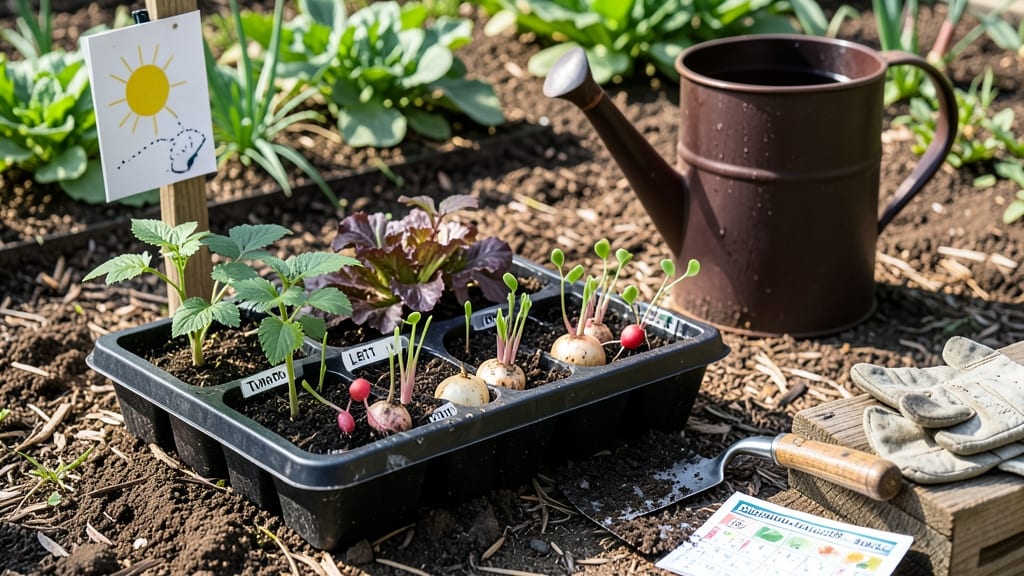
Planting your garden in Indiana at the wrong time can turn your hard work into a sad pile of frost-bitten lettuce or bolted radishes—no one wants that!
The key to success lies in understanding when to plant a garden in Indiana, where frost dates shift like a mood ring from north to south.
With Indiana’s USDA Zones 5b-6b and unpredictable weather, timing is everything. Whether you're dreaming of crisp spring greens or fall tomatoes, knowing the last frost date (around April 15) and first frost (mid-October) is your secret weapon.
Skip the guesswork and learn exactly when to put seeds in the ground for a garden that thrives all season.
I’ve spent years testing planting windows, and what I’m about to share will help you avoid common mistakes—like planting tomatoes too early or missing the fall window for cool-season crops.
Let’s dive into the perfect planting schedule tailored for Indiana’s climate so you can enjoy a harvest that puts your neighbors’ gardens to shame.
From late March for hardy greens to late July for fall favorites, we’ll cover everything you need to know. Ready to turn your garden into a success story? Let’s get started.
Indiana’s frost dates by region: when to plant cool vs warm-season vegetables
Indiana’s frost dates vary dramatically by region, making the difference between a bountiful harvest and a wasted season. Northern Indiana’s last spring frost often hits May 15, while Southern Indiana can safely plant by April 15.
These microclimates mean your neighbor’s thriving tomatoes might still be seedlings in your garden! Understanding these planting windows ensures you avoid frost damage and bolt-susceptible greens.
Cool-season crops like lettuce and spinach need to be planted 4-6 weeks before the last frost, while warm-season favorites like tomatoes and peppers demand soil temperatures above 55°F (13°C)—a threshold Northern Indiana often hits 2 weeks later than the south.
Let’s break down the exact frost dates and planting timelines for each region to help you plan like a pro.
Last spring frost and first fall frost dates create the planting framework for Indiana gardens. Northern Indiana’s 180-day growing season shrinks to 150 days in the north, forcing gardeners to choose fast-maturing varieties or extend the season with row covers. Meanwhile, Southern Indiana’s longer frost-free window allows for two full harvests of warm-season crops like squash and beans.
Here’s the region-by-region breakdown of Indiana’s frost dates, including last spring frost, first fall frost, and optimal planting windows for your favorite vegetables. Use this as your garden calendar to time everything perfectly.
For cool-season vegetables, timing is everything. Plant lettuce and spinach 4-6 weeks before your last frost date to avoid bolting (when greens turn bitter and flower prematurely). In Northern Indiana, this means starting seeds indoors by March 15 for a May harvest.
Central and Southern Indiana gardeners can sow directly in March for an earlier start.
Warm-season crops like tomatoes and peppers are far more forgiving but require soil temperatures above 55°F (13°C). In Northern Indiana, wait until May 20 to transplant seedlings, while Southern Indiana gardeners can start as early as April 15.
Use a soil thermometer to confirm readiness—cold soil delays germination and stunts growth.
Don’t overlook fall planting! Southern Indiana’s October 20 first frost allows for a second planting of cool-season crops like kale and radishes in late July.
Central Indiana can squeeze in a late August planting, while Northern Indiana’s earlier frost limits fall options to hardy greens planted by July 15.
Pro tip: Use Indiana’s frost-free days to your advantage. Northern Indiana’s 150-day window is perfect for fast-maturing varieties like bush beans (50 days) or zucchini (55 days). Southern Indiana’s 180-day season lets you grow longer-season crops like tomatoes (80 days) or peppers (70 days) with ease.
If you’re unsure about your exact last frost date, check Purdue Extension’s Indiana Frost Date Map or use a f
5 Proven strategies to extend Indiana’s planting season without risking frost
Indiana’s short growing season can feel like a race against time, but with the right strategies, you can safely push your planting windows earlier and later. I’ve tested these tactics in my own garden to protect tender seedlings from surprise frosts while maximizing harvests.
The key is combining physical barriers, smart timing, and frost-resistant varieties to create a buffer zone around your plants.
One of my favorite methods is using floating row covers, which act like a lightweight blanket that lets sunlight and water through while blocking frost. I’ve seen them extend the season by 3–4 weeks on both ends—perfect for heat-loving plants like tomatoes and peppers that need warmth to thrive.
Pair this with succession planting, where you stagger seeds every 2–3 weeks, to ensure a continuous harvest instead of one big feast.
- 🔹 Cold Frames: Use unheated frames (like hoop houses) to trap heat. Start peppers and eggplants 4–6 weeks before last frost—my jalapeños thrived when planted in early April under a frame!
- 🔹 Row Covers: Lightweight fabric (like Agribon) adds 5–10°F protection. Drape over seedlings after evening temps drop below 40°F—I’ve saved basil and cucumbers from late spring frosts this way.
- 🔹 Succession Planting: Sow lettuce, radishes, and spinach every 10–14 days from April through July. This ensures a steady supply even if early plantings bolt.
- 🔹 Heat-Tolerant Varieties: Choose ‘Heatmaster’ tomatoes or ‘Black Krim’ cucumbers, bred to handle 90°F+ temps. These outperform traditional varieties in Indiana’s summer heat waves.
- 🔹 Frost-Clutching Crops: Plant kale, carrots, and beets in late August—they’ll sweeten after frost and stay crisp until December in most of Indiana.
For late-season extensions, I rely on low tunnels made from PVC pipes and row covers. These create a mini greenhouse effect that can delay frost damage until mid-October in Northern Indiana.
Pair this with frost-hardy greens like swiss chard or collards, which not only survive light frosts but taste sweeter after exposure to cold. I’ve harvested spinach well into November using this combo!
Don’t overlook soil warmth—cool soil delays germination. Use black plastic mulch in spring to warm beds 5–10°F faster than bare soil. This lets you plant warm-season crops like squash and beans 2 weeks earlier without risking frost damage.
I’ve seen zucchini sprouts emerge 3 days faster with this trick alone.
Finally, harden off seedlings gradually before exposing them to outdoor conditions. Acclimate plants over 7–10 days by moving them to shade during the day and back indoors at night. This toughens them up to handle Indiana’s temperature swings—a game-changer for tomato and pepper transplants that often struggle with shock.
With these strategies, you’ll turn Indiana’s short season into a long, productive harvest. Start with one or two methods this year, track your results, and expand next season. Your future self (and your dinner table) will thank you! 🌿