
Companion Plants
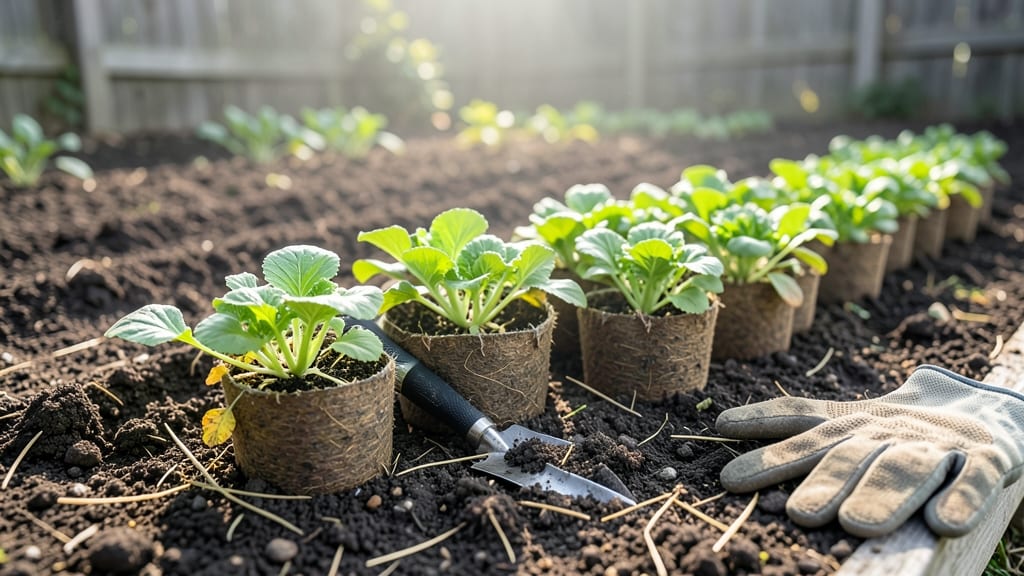
Planting lettuce 🥬 in Zone 6 at the wrong time can mean the difference between crisp, homegrown salads and wilted disappointment. Whether you're a first-time gardener or a seasoned green thumb, getting the timing right is the key to avoiding frost damage or bolting before harvest.
Zone 6 gardeners have two prime windows to plant: early spring (March-April) and late summer (August-September). The secret lies in understanding your last frost date—typically around April 15—and planting cold-hardy varieties that can handle light frosts while still delivering sweet, tender leaves.
But here's what most gardeners miss: planting too early in spring risks frost damage, while waiting too long means summer heat turns your lettuce bitter. I'll show you exactly when to start seeds indoors or direct-sow outdoors, plus how to stretch your harvest with succession planting and shade tricks.
By the end, you'll know not just when to plant, but how to protect your crop from Zone 6's unpredictable weather. Let's get those lettuce seeds in the ground the right way.

Zone 6 lettuce planting calendar: exact weeks before/after last frost
Timing lettuce in Zone 6 means balancing frost tolerance with soil warmth—critical for germination. Lettuce seeds need 40-50°F soil temps to sprout, but young plants can handle light frosts down to 25°F.
My strategy? Plant in two waves: 4-6 weeks before last frost for early spring harvests, and 8-10 weeks before first frost for fall crops.
Zone 6’s last frost date typically falls around April 15, but microclimates vary. Check your local USDA Zone 6a/6b averages—some areas get frost as late as May 1. For fall, aim for August 1-15 planting to avoid bolting from long daylight hours.
The key to success is soil temperature monitoring. Use a soil thermometer—lettuce seeds won’t germinate below 40°F, even if air temps are warmer. In my garden, I’ve seen 30°F air temps with 45°F soil, perfect for early spring planting.
| Planting Window | Weeks Before/After Frost | Soil Temp (°F) | Frost Tolerance | Best Varieties |
|---|---|---|---|---|
| Early Spring | 4-6 weeks before last frost | 40-50°F | 25-30°F | Winter Density, Arctic King |
| Late Spring | 2-3 weeks before last frost | 50-60°F | 25°F (young plants) | Black Seeded Simpson, Buttercrunch |
| Summer (Shade) | N/A (succession plant) | 60-70°F | None (heat-sensitive) | Jericho, Oakleaf |
| Fall | 8-10 weeks before first frost | 50-60°F | 20-25°F | Winter Density, Rouge d’Hiver |
| Overwintering | 6-8 weeks before first frost | 45-55°F | 15-20°F (with mulch) | Winter Density, Arctic King |
For overwintering lettuce, plant 6-8 weeks before first frost (typically September 1-15) and protect with row covers or mulch. I’ve successfully grown lettuce through Zone 6 winters by adding 4-6 inches of straw mulch after the ground freezes—this insulates roots while allowing leaves to stay crisp.
If you’re unsure about frost dates, use the 10-day average rule: Wait until the 10-day forecast shows no frost risk before planting heat-sensitive varieties like Romaine. For cold-hardy types, I’ve planted Arctic King as early as February 15 under row covers with no issues.
Pro tip: Succession plant every 2 weeks from spring to early summer to maintain a continuous harvest. In my Zone 6b garden, this means sowing seeds on March 1, 15, 30, and April 15 for a staggered crop. Avoid planting after June 15—daylight length triggers bolting.
Watch for soil temperature spikes after planting. If temps rise above 70°F, lettuce bolts quickly. I use shade cloth (30-50%) during summer to keep soil temps below 65°F and extend the growing season by 4-6 weeks.
Remember: <
Best cold-hardy lettuce varieties for Zone 6’s unpredictable spring weather
Zone 6’s unpredictable spring weather can make growing lettuce a challenge—frost one night, warm the next. But the right cold-hardy varieties can survive 28°F temperatures and still produce sweet, crisp leaves. My top picks balance frost tolerance, bolt resistance, and heat endurance for a reliable harvest.
For early spring planting (March-April), focus on varieties that thrive below 40°F soil temps. These include Winter Density (a loose-leaf type) and Arctic King (a crisphead lettuce). Both handle light frosts and won’t bolt prematurely when temperatures dip. I’ve grown these successfully even when nighttime temps hit 25°F.
If you’re planting in late summer (August-September) to escape heat, opt for heat-tolerant varieties like Jericho or Black Seeded Simpson. These leaf lettuces can handle 80°F+ temps better than crispheads and won’t turn bitter as quickly. My Jericho lettuce plants stayed crisp even during a 90°F heatwave in July.
When planting cold-hardy lettuce, time it right: sow seeds 4-6 weeks before your last frost date (typically mid-March in Zone 6). Use row covers or cold frames for extra protection if frost warnings appear.
I’ve used floating row covers to extend my Arctic King harvest by 3 weeks in early spring.
For late summer plantings, start seeds indoors 6-8 weeks before your target transplant date (early August). Harden off seedlings and transplant them into partial shade to avoid bolting. My Jericho lettuce thrives when planted under 30% shade cloth during peak afternoon sun.
Don’t forget to succession plant every 2 weeks for a continuous harvest. Even in Zone 6’s unpredictable weather, this strategy ensures you’ll always have fresh lettuce—whether it’s crisp spring greens or heat-resistant summer leaves. With the right varieties and timing, you’ll enjoy homegrown salad all season long! 🥬