
Planting
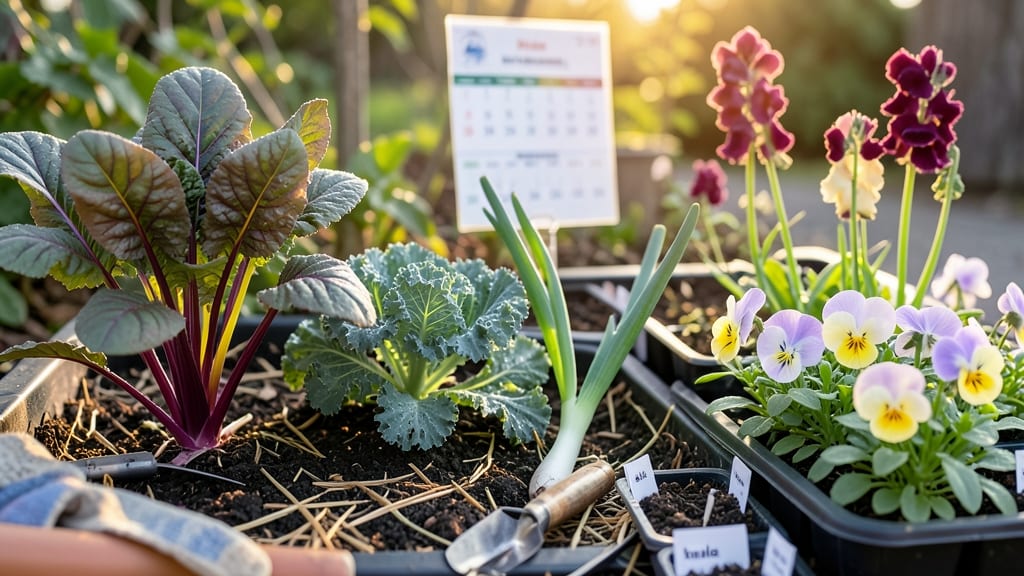
When to plant a garden in Minnesota isn’t just about throwing seeds into the dirt—it’s about outsmarting frost, heat waves, and those unpredictable spring surprises that can turn your 🌱 dreams into a sad, wilted mess.
Whether you’re a first-time gardener or a seasoned pro, planting too early risks icy setbacks, while waiting too long cuts your harvest season short.
Here’s the good news: Minnesota’s USDA Zones 3-5 may sound harsh, but with the right timing, you can grow everything from crisp peas to juicy tomatoes. The key? Knowing your county’s last frost date—typically mid-May in most regions, but earlier in southern Minnesota and later up north.
That’s your green light to start planting cold-hardy crops like spinach and lettuce.
But what about warm-season plants like tomatoes or peppers? Those need to wait until the soil is at least 50°F and the air stays reliably above freezing. And don’t forget—fall planting is your second chance to grow cold-hardy veggies like kale or garlic before winter sets in.
I’ll break down the exact windows you need to maximize your yield, no matter where in the state you’re gardening.
Ready to stop guessing and start growing? Let’s dive into the county-by-county planting schedule that’ll turn your Minnesota garden into a thriving, frost-free success.
Minnesota’s last frost dates by county: critical planting windows for vegetables & flowers
Minnesota’s climate spans USDA zones 3-5, meaning frost dates vary dramatically from northern lakeside counties to southern border regions. Knowing your county’s average last frost date determines whether your tomatoes or peppers survive—or get nipped.
Below, I’ve organized data by region to help you plan cold-hardy crops (like spinach and kale) versus heat-lovers (like eggplants and squash) with precision.
For example, St. Louis County (zone 3) averages a May 25 last frost, while Mower County (zone 5) sees its final freeze by May 5. These dates aren’t set in stone—microclimates (like urban heat islands or lakeside areas) can shift them by 1-2 weeks.
Always check local weather forecasts and use frost cloths for early plantings.
Here’s how to use this data: Cold-hardy crops (peas, lettuce, radishes) can go in 2-4 weeks before your last frost. Warm-season crops (tomatoes, peppers) need soil at 60°F+ and should wait until 2 weeks after your last frost.
For fall planting, count backward from your first frost date (typically September 15–October 15, depending on the county).
If you’re in zone 4 or 5 (like Anoka or Waseca), you can push the envelope with early plantings of cold-tolerant varieties, such as ‘Early Girl’ tomatoes
How to adjust planting dates for Minnesota’s unpredictable weather patterns
Minnesota’s unpredictable frost patterns can leave even experienced gardeners guessing about the best planting times. While the average last frost date for the Twin Cities is around May 15, northern counties like Roseau can see frost as late as June 10.
The key to success lies in flexibility—adjusting your schedule based on soil temperature, microclimates, and historical data from your specific county.
For warm-season crops like tomatoes and peppers, the 3-week rule is a lifesaver. This means planting these heat-loving plants 3 weeks before your average last frost date to ensure they’re established and ready to thrive once the cold snaps stop.
For example, if your last frost is May 20, start seeds indoors around April 10 or set out transplants by May 10 with protective row covers.
🌱 5 Proven Strategies to Beat Minnesota’s Frost
- 1. Use the 3-Week Rule for warm-season crops like tomatoes and peppers—plant 3 weeks before your average last frost date.
- 2. Check Soil Temperature with a soil thermometer; most plants need 50°F+ soil to thrive.
- 3. Extend the Season with row covers or cold frames to protect early plantings.
- 4. Choose Frost-Tolerant Varieties like spinach, kale, or peas for early spring plantings.
- 5. Monitor Local Microclimates—urban areas like Minneapolis warm up faster than rural northwest counties.
Don’t rely solely on calendar dates—soil temperature is your true guide. Use a soil thermometer to confirm when the ground has warmed to 50°F (10°C) for most vegetables.
In northern Minnesota, this might not happen until late May or early June, while southern counties like Winona could be ready by mid-April. For cold-hardy crops like lettuce or radishes, you can plant as early as mid-April under row covers or in greenhouses.
Row covers are a game-changer for Minnesota gardeners. These lightweight fabrics create a mini greenhouse effect, raising temperatures by 5–10°F and protecting tender plants from late frosts. You can use them to start warm-season crops 2–3 weeks earlier or to extend the fall harvest by shielding plants from early frosts.
Just remember to remove covers during the day in warm weather to prevent overheating.
Another smart tactic is to plant a succession of crops every 2 weeks to ensure a steady harvest.
For example, if your last frost is May 20, plant a batch of bush beans on May 10, another on May 24, and a final batch on June 7.
This staggered approach maximizes your yield and minimizes the risk of losing an entire crop to frost or heatwaves.
Finally, keep an eye on local weather forecasts and historical data from your county extension office. Websites like the Midwestern Regional Climate Center provide frost-free degree day maps that can help you fine-tune your planting schedule.
And if you’re in doubt, err on the side of caution—a few extra weeks of waiting are better than a frost-killed garden!