
Plants
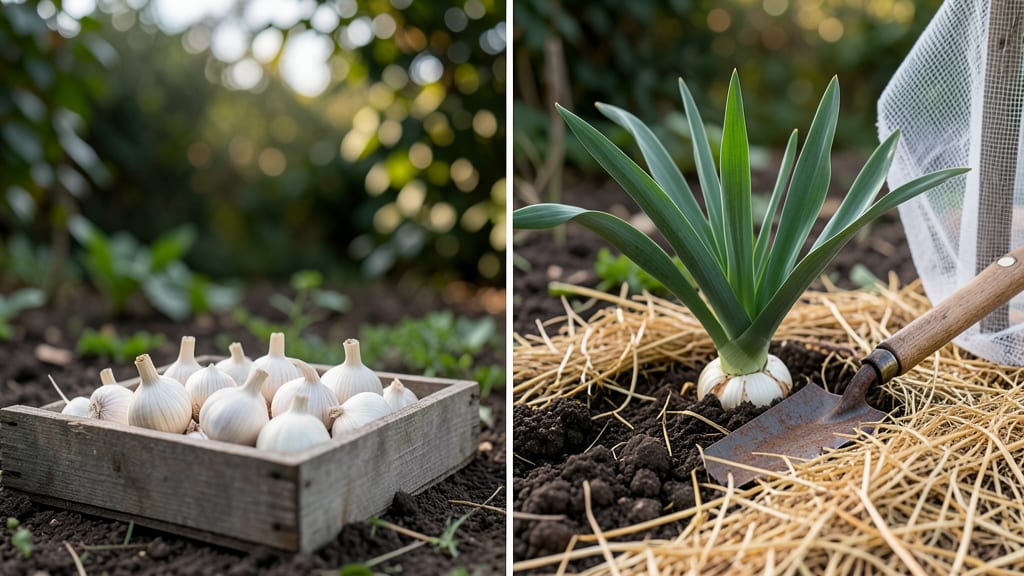
Planting garlic in Minnesota isn't just about timing—it's about outsmarting the 3-5 USDA zone climate where a single late frost can ruin your harvest before it starts.
If you've ever wondered why some gardeners swear by mid-October while others wait until November, the answer lies in your county's frost patterns and the hardy 🧄 varieties that thrive here.
Here's the truth: Mid-October to early November is your golden window, but whether you plant in September or hold off until after the first frost depends on soil conditions and your specific location.
Northern Minnesota gardeners (think Cook County) have just 4-6 weeks before the ground freezes solid, while southern regions like Olmsted County get a little more breathing room.
What makes this even trickier? Hardneck garlic—the preferred variety for Minnesota's climate—needs cold stratification to form bulbs, but too much snow cover can delay growth.
I'll show you exactly how to adjust your planting schedule based on your county's frost dates, plus the 3 key signs your garlic is ready to harvest next summer.
Ready to grow plump, flavorful bulbs that'll make your kitchen the envy of the neighborhood? Let's break down the exact steps—from soil prep to spacing—that'll give you the best harvest Minnesota's short growing season has to offer, no matter where you live in the state.
Minnesota garlic planting timeline by USDA Zone and county
Minnesota's diverse climate means garlic planting dates vary dramatically from Zone 3 in the north to Zone 5 in the south. For hardneck varieties—the best choice for our short growing season—timing is critical to avoid winter kill or poor bulb development.
The general rule is to plant 4-6 weeks before the ground freezes, but local frost averages shift these windows by 2-3 weeks between counties.
Southern Minnesota gardeners in Olmsted or Stearns County (Zones 4b-5a) have more flexibility, while those in Cook or Lake County (Zone 3a) must act earlier to beat the first hard frost.
Let's break down the exact planting windows by region, so you can align your schedule with your local climate patterns.
Here's a comparison of planting windows for Minnesota's key counties, including average first frost dates and ideal planting periods to maximize bulb size and hardiness:
Notice how the planting window shifts by nearly a month from northern to southern Minnesota. In Zone 3 counties like Cook, you must plant by October 10 to avoid winter damage, while Zone 4b gardeners in Olmsted can wait until early November.
Always check your local USDA Plant Hardiness Zone map for precise guidance, as microclimates can create variations even within counties.
For gardeners in transition zones (like Stearns County), I recommend planting half your cloves early (first week of October) and the rest 2 weeks later. This hedge-your-bets approach accounts for unpredictable weather patterns that can bring early frosts or unseasonably warm falls.
Store any leftover cloves in the fridge until you're ready to plant.
Soil temperature is just as important as calendar dates. Use a soil thermometer to confirm your soil has cooled to 40-50°F before planting. In northern counties, this often means waiting until mid-September even if the air feels crisp. Cold soil can stunt root growth, leading to smaller bulbs.
Pro tip: Mark your planting dates on a garden calendar and set reminders for harvest time (mid-July to early August). Minnesota's short growing season means you'll need to time your harvest carefully to avoid missing the window when bulbs are at peak size but before they split open.
The lower leaves turning brown is your cue to dig!
Finally, remember that hardneck garlic needs cold vernalization to form bulbs, so don't be tempted to plant in spring. While some gardeners experiment with spring planting
How to adjust planting for early spring or late frost years
Minnesota’s unpredictable frost patterns can throw off even the most experienced gardener’s planting schedule. When spring arrives early or late, your hardneck garlic may not get the 4-6 weeks of cold dormancy it needs before growth resumes.
Without proper adjustments, you risk small bulbs or poor flavor. The key is flexibility—monitoring soil temps, using protective mulch, and knowing your USDA Zone backup dates.
For Zone 4-5 regions like the Twin Cities or Duluth, the ideal garlic planting window is mid-October to early November. But when early thaws or late frosts disrupt this, you’ll need to adapt.
I’ve learned that soil temperature (not air temp) is the real indicator—garlic roots need 40°F soil to establish before winter sets in. A soil thermometer is your best tool here.
⚠️ callout warning ⚠️
One strategy I’ve had success with is staggered planting. If spring arrives early (like in 2021 when March temps hit 60°F in southern MN), plant half your garlic in October and the remaining half in late November.
The November batch gets a 2-month head start on dormancy, compensating for the early warm-up. For late frost years, delay planting until early December if soil temps remain above freezing.
Mulching is another game-changer. After planting, apply 4-6 inches of straw or leaves—this insulates roots from temperature swings and prevents soil heaving during freeze-thaw cycles. In my Zone 4 garden, I’ve seen mulched garlic produce 30% larger bulbs compared to unmulched beds.
For extra protection, top with black plastic sheeting in late fall if forecasted temps dip below -10°F.
Don’t overlook backup planting dates for your specific area. In southern MN (Zone 5), the last window is November 15th, while in northern MN (Zone 3-4), you can plant as late as December 1st if soil temps drop below 35°F.
Check your local USDA frost data—the 30-year average last frost is your guide. For example, Duluth’s last frost averages May 15th, while Rochester’s is May 5th.
Finally, if you miss the fall window entirely, spring planting is possible but risky. For a spring garlic crop, plant cloves in early April (when soil reaches 45°F) and expect smaller bulbs with less flavor.
The trade-off? You’ll still get green garlic for cooking. I’ve tried this in Zone 4—the harvest was half the size of fall-planted garlic, but better than nothing after a late frost!