
Planting
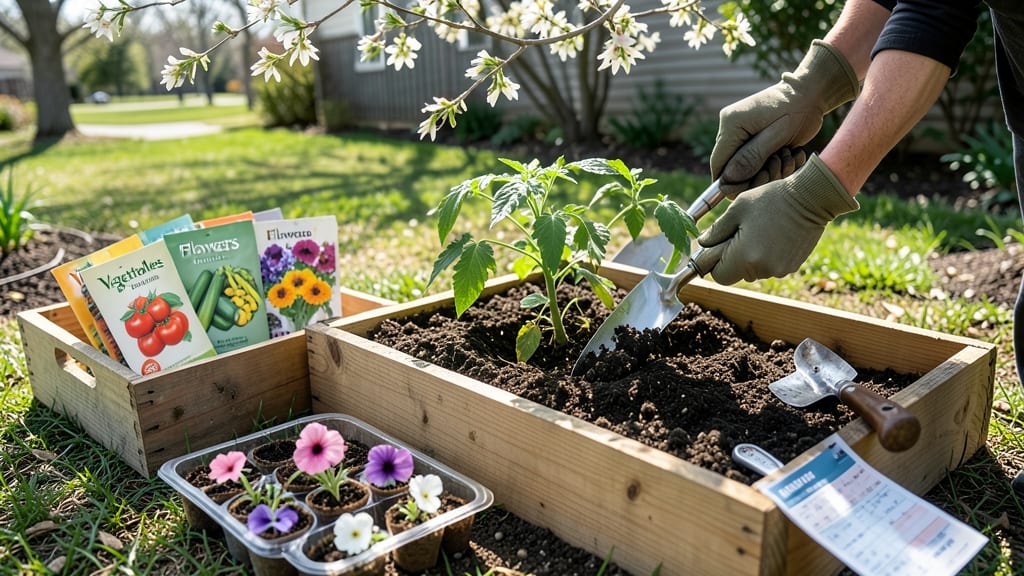
Planting a garden in Missouri at the wrong time can mean the difference between a bumper crop and a sad, frost-nibbled disappointment. With USDA Zones 5-6 swinging from icy winters to scorching summers, timing your garden's start is the key to success.
Most Missouri gardeners know the rules: wait until after the last frost, but don't delay too long. The average last frost dates range from early April in southern Missouri to late April in the northern parts of the state. But what does that really mean for your 🌱 garden?
Cool-season crops like lettuce and peas can handle a light frost, while warm-season favorites like tomatoes need the soil to be at least 60°F before planting. I'll break down the exact windows for each type of plant so you can avoid common mistakes and maximize your harvest.
Whether you're a first-time gardener or a seasoned pro, getting your planting schedule right will give you more time to enjoy your garden's bounty. Let's dive into the perfect timing for Missouri's unique climate.
Missouri planting deadlines by season: frost dates and last-freeze averages
Missouri's USDA Zones 5-6 create a unique gardening challenge with last spring frosts as late as May 15 and first fall frosts as early as October 15. These dates determine whether your tomatoes survive or your basil bolts.
Understanding your microclimate—whether you're in St. Louis, Kansas City, or Springfield—can add 2-3 weeks to your growing season.
Cool-season crops like spinach and peas thrive when planted 4-6 weeks before your last frost date, while warm-season favorites such as peppers and eggplants need soil temperatures above 60°F.
Missouri's variable frost patterns mean even city-specific averages can shift ±7 days year-to-year. Always check your local Missouri Botanical Garden frost maps for real-time updates.
Here’s how last frost and first frost dates vary across Missouri’s major cities, with actionable planting windows for both cool-season and warm-season crops:
St. Louis gardeners enjoy the latest last frosts in Missouri, giving cool-season crops like kale and broccoli an extra 2 weeks to mature before summer heat sets in.
Meanwhile, Kansas City’s earlier frosts mean warm-season plants like tomatoes must hit the ground 2 weeks sooner than in St. Louis to avoid stunted growth. Springfield’s transitional zone between the two creates a microclimate advantage for succession planting.
For warm-season crops, wait until soil temperatures consistently reach 60°F—use a soil thermometer to avoid false starts.
In St. Louis, this typically aligns with mid-May, while Kansas City may need to wait until late May. Peppers and eggplants, which need 80°F+ soil, often require row covers or black plastic mulch to jumpstart growth.
Missouri’s fall planting window is equally critical. Cool-season crops like radishes and spinach can handle light frosts and may even sweeten in cold weather.
Plant 6-8 weeks before your first frost for harvests before winter sets in. Carrots and beets, for example, thrive when sown by September 1 in St. Louis and August 15 in Kansas City.
Pro tip: Use frost-sensitive plants like basil or cucumbers as frost indicators. If they survive a light frost (28-32°F), your tomatoes and peppers likely will too. For extra protection, cover tender perennials like rosemary with burlap sacks when nighttime temps drop below 35°F.
Missouri’s unpredictable weather patterns mean even experienced gardeners should prepare for late frosts. Keep row covers or plastic tunnels
Best crops to plant in Missouri by month: a month-by-month guide
Missouri's diverse climate means your planting schedule should shift with each season. Cool-season crops thrive in early spring and fall, while warm-season vegetables need summer's heat. I’ve broken down the best month-by-month crops to maximize your harvest, accounting for Missouri’s USDA Zones 5-6 and unpredictable weather patterns.
Start with early spring crops like onion sets and peas as soon as the soil warms to 40°F. These hardy plants tolerate light frosts and give you a jumpstart.
By late spring, when last frost dates (typically April 15–May 15) pass, you can safely plant tomatoes, peppers, and cucumbers, which crave warmth and longer daylight.
- March–April: Spinach, peas, lettuce, onion sets (plant as soon as soil is workable).
- May: Tomatoes, peppers, cucumbers, beans (after last frost, around May 10–20).
- June–July: Corn, squash, melons, okra (soil temps should be 60°F+).
- August: Radishes, kale, carrots, broccoli (for fall harvest before frost).
- September–October: Garlic, cover crops (clover, rye) (plant before first frost).
For Zone 6’s hotter pockets, opt for heat-tolerant varieties like 'Black Krim' tomatoes or 'Early Girl' cucumbers. These handle Missouri’s 90°F+ summers better than standard types. Succession planting is key too—sow beans and lettuce every 2 weeks to ensure continuous harvests.
Don’t overlook fall planting! Kale, carrots, and radishes thrive in cooler weather and can be sown as late as September. Use row covers to extend harvests into October or November before the first frost hits. Garlic planted in fall will naturalize and produce robust bulbs the next summer.
Missouri’s microclimates (like the Ozarks vs. Missouri River Valley) can shift planting times by 1–2 weeks. Always check your local frost dates and adjust accordingly. Soil temperature matters too—use a soil thermometer to confirm it’s 50°F+ for warm-season crops.
Pro tip: Keep a gardening journal to track what works best in your specific location. Over time, you’ll refine your schedule to match your yard’s unique conditions. Happy planting! 🌱