
Planting
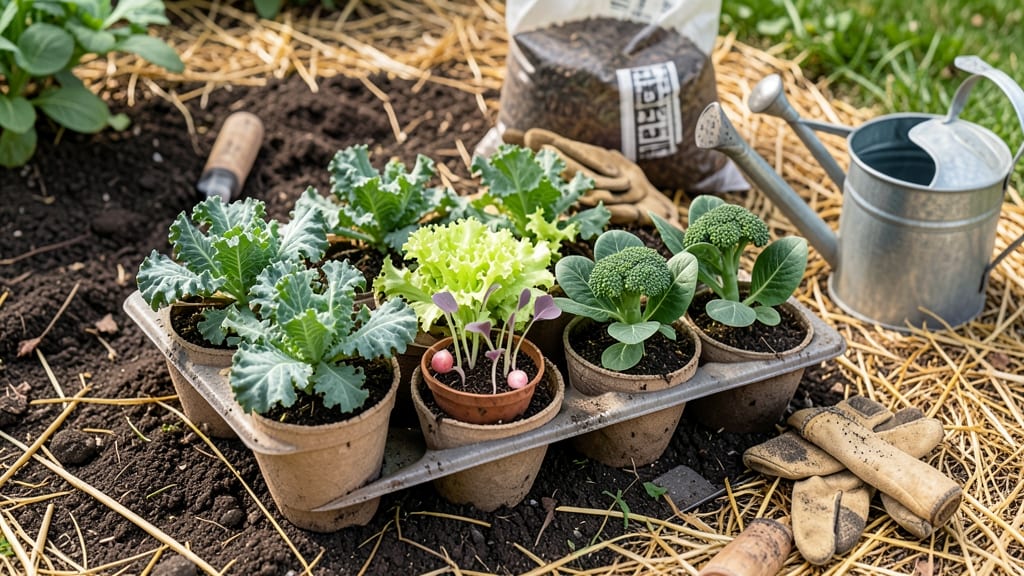
Planting your fall garden in Missouri at the wrong time means watching your hard work turn to mush under frost—or worse, never getting a harvest at all.
I’ve seen gardeners in zones 5b-6b lose entire crops just because they planted too early or too late, but the secret to success isn’t luck—it’s knowing the exact window when soil temps and daylight align for zero-frost success.
Missouri’s climate throws a curveball with its unpredictable frosts, but timing your 🥕 fall garden vegetables between mid-August and mid-September gives you the edge. That’s when cool-season crops like kale, carrots, and spinach thrive before winter sets in—if you play by the rules.
I’ll show you how to read frost forecasts, adjust for your specific zone, and even stretch your harvest with simple tricks like row covers.
You’ll learn which crops to start indoors 6-8 weeks before the first frost (yes, that’s October 15 for most of Missouri) and which can go straight into the ground.
No more guessing games—just a clear roadmap to a garden bursting with flavor long after summer’s over. Let’s get those seeds in the soil the right way.
The best part? These methods work whether you’re a backyard beginner or a seasoned gardener looking to squeeze every last bite out of fall. By the end, you’ll know exactly when to plant, how to protect your crops, and which varieties perform best in Missouri’s 5b-6b zones.
Ready to turn your late-season garden into a harvest goldmine?
Missouri fall planting calendar: exact dates by hardiness Zone (5a-6b)
Missouri’s fall garden success hinges on precise timing, especially across USDA Zones 5a-6b. The average first frost arrives between October 15 (Zone 5a) and November 1 (Zone 6b), but microclimates can shift these dates by 2-3 weeks.
For cool-season crops like kale and spinach, planting too early risks bolting, while late sowing means stunted growth. My strategy? Start seeds or transplants 4-6 weeks before frost—adjusting for your zone’s soil temperature (ideal: 50-65°F) and local frost history.
In Zone 5a (northern Missouri), where winters are colder, I begin sowing cool-season crops like carrots and broccoli as early as mid-August. By contrast, Zone 6b (southern Missouri) allows for later starts—even early September for heat-tolerant varieties like Swiss chard.
The key is matching plant maturity to your frost date: leafy greens (e.g., lettuce) need just 30-40 days, while root crops (e.g., beets) take 50-60 days.
| Zone | First Frost Avg. | Planting Window | Soil Temp. (°F) | Key Crops |
|---|---|---|---|---|
| 5a (e.g., St. Joseph) | October 15 | August 15 – September 15 | 50–60°F | Kale, Spinach, Carrots, Broccoli |
| 5b (e.g., Columbia) | October 22 | August 20 – September 20 | 55–65°F | Lettuce, Radishes, Swiss Chard, Turnips |
| 6a (e.g., Springfield) | October 30 | August 25 – September 25 | 60–70°F | Peas, Beets, Cabbage, Collards |
| 6b (e.g., Cape Girardeau) | November 1 | September 1 – October 1 | 65–75°F | Green Onions, Arugula, Mustard Greens |
To handle early or late frosts, I rely on row covers and cold frames. For example, if your area experiences an unexpected light frost in late September, a floating row cover can protect broccoli seedlings for another 2-3 weeks.
Similarly, a cold frame extends the season by 4-6 weeks, letting me harvest spinach well into December in Zone 6b. Always check the Missouri State Climatologist’s frost predictions—their data is updated weekly and accounts for local variations.
Soil preparation is just as critical as timing. Before planting, I amend the soil with compost to improve drainage and fertility, aiming for a pH of 6.0-7.0. Cool-season crops thrive in loamy soil, so I avoid heavy clay by mixing in sand or peat moss if needed.
For direct-sown seeds like carrots, I keep the soil surface moist but not soggy—use a fine mist spray to avoid displacing seeds.
For transplants, I harden them off for 5-7 days before setting them out. This means gradually exposing them to outdoor conditions (sun, wind, temperature fluctuations) to prevent shock.
I also space plants according to their mature size: kale needs 12-18 inches apart, while radishes can be crowded into 3-inch gaps. Proper spacing reduces competition for nutrients and improves air circulation, cutting down on disease risk.
Watering shifts in fall—less frequent but deeper. I water in the morning to reduce fungal diseases like downy mildew, aiming for 1-2 inches of water per week. As temperatures drop, I taper off irrigation to avoid waterlogged soil, which can stunt root growth.
Mulching with straw or leaves helps retain moisture and insulates roots from temperature swings, especially during nighttime frosts.
Monitor your plants for bolting (premature flowering) or yellowing leaves, which signal stress. If your spinach bolts in September, it’s likely due to heat stress—opt for bolting-resistant varieties like ‘Winter Density’ for later plantings.
Similarly, broccoli may develop bitter flavors if exposed to hot afternoons, so I prioritize shade cloth in Zone 6b during peak summer heat.
Don’t overlook succession planting—sow fast-maturing crops like radishes every 2 weeks to ensure a steady harvest. Pair them with slow growers like kale, which can withstand light frosts and even taste sweeter after a 28°F chill.
By staggering plantings, I avoid gluts and gaps, maximizing my fall harvest window.
Finally, keep an eye on pest pressure. Fall brings cabbage worms and aphids, but neem oil or row covers work wonders. I also interplant herbs like dill to attract beneficial insects
Top 10 fall crops for Missouri gardens (and when to start seeds indoors vs. outdoors)
Missouri’s fall garden thrives when you match the right crops to precise planting windows. Cool-season vegetables like kale and carrots perform best when sown at the perfect time—neither too early nor too late.
The key is understanding whether to start seeds indoors or direct-sow outdoors, based on each crop’s maturity timeline and Missouri’s first frost date (typically October 15).
For example, broccoli and cabbage need a head start indoors, while radishes and spinach can go straight into the ground. I’ll break down the top 10 crops, their ideal planting schedules, and spacing needs to maximize your harvest before winter sets in.
- 1. Broccoli & Cabbage: Start indoors 6-8 weeks before first frost (early August). Transplant outdoors 4-6 weeks before frost (mid-September). Spacing: 18-24 inches apart.
- 2. Kale: Direct-sow 4-6 weeks before frost (late August). Thrives in cool weather. Spacing: 12-18 inches apart.
- 3. Carrots: Sow outdoors 3-4 weeks before frost (early September). Thin to 2-3 inches apart for optimal growth.
- 4. Spinach: Direct-sow 6-8 weeks before frost (early August) or 2-3 weeks before frost (late September) for a late harvest. Spacing: 4-6 inches apart.
- 5. Lettuce: Start indoors 4-6 weeks before frost or direct-sow 6-8 weeks before frost. Spacing: 6-12 inches apart.
- 6. Radishes: Fast growers—direct-sow 2-3 weeks before frost (late September). Spacing: 1-2 inches apart.
- 7. Beets: Sow outdoors 4-6 weeks before frost (late August). Spacing: 2-3 inches apart.
- 8. Turnips: Direct-sow 4-6 weeks before frost (late August). Spacing: 2-4 inches apart.
- 9. Swiss Chard: Start indoors 4-6 weeks before frost or direct-sow 6-8 weeks before frost. Spacing: 10-12 inches apart.
- 10. Green Onions: Direct-sow 4-6 weeks before frost (late August). Spacing: 2-3 inches apart.
🌱 Pro Tip: Use row covers to extend harvests by 2-4 weeks for frost-sensitive crops!
Each of these crops has a specific window to ensure they mature before Missouri’s first frost. For instance, broccoli and cabbage need that early start indoors to develop a full head, while radishes and spinach can handle cooler temps and even benefit from a light frost.
Spacing is critical—crowded plants lead to poor air circulation, increasing the risk of fungal diseases like downy mildew.
For leafy greens like spinach and kale, you can even make succession plantings every 2 weeks in late summer for a continuous harvest. These crops are cold-hardy and often taste sweeter after a light frost, making them perfect for Missouri’s fall climate.
Just be sure to water consistently—fall can bring unpredictable rain, so monitor soil moisture closely.
If you’re new to fall gardening, start with easy-to-grow crops like lettuce or radishes to build confidence. Once you’ve mastered timing and spacing, move on to longer-season crops like broccoli or Swiss chard.
With these top 10 crops and their exact planting schedules, your Missouri garden will be bursting with flavor well into winter.
Remember, the soil temperature in Missouri’s fall garden should ideally be between 45-75°F for most cool-season crops. Use a soil thermometer to check before planting—cool soil slows germination. And don’t forget to amend your soil with compost before sowing for nutrient-rich growth.