
Planting
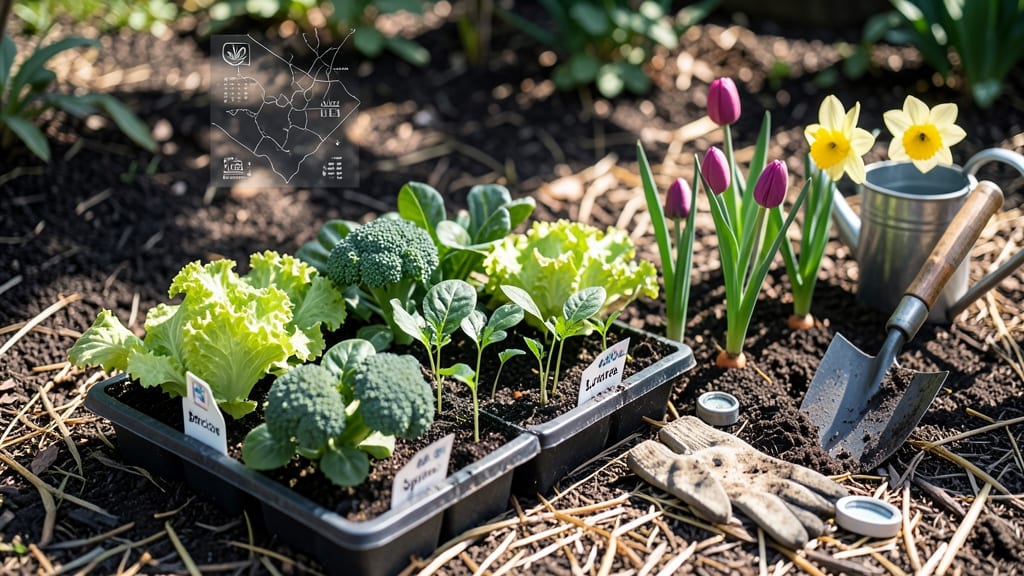
Timing your garden planting in North Carolina isn’t just about the calendar—it’s about matching chill-hours to your crops, and getting it wrong can mean the difference between a bumper harvest and a sad, wilted disappointment.
With three distinct climate zones—from the humid Coastal Plain to the cooler Mountains—your planting window shifts dramatically depending on where you live.
Most gardeners in NC focus on spring planting, but did you know fall and even late winter offer prime opportunities for certain varieties? The key is understanding your last frost dates and how many chill-hours your plants need to thrive.
Whether you're growing heat-loving tomatoes or cold-hardy kale, aligning your planting schedule with these factors is the game-changer for peak yields.
I’ve tested these strategies across NC’s microclimates, and what works in Raleigh might flop in Asheville—or even Wilmington. That’s why I’m breaking down the exact planting windows you need, tailored to your zone, so you can avoid common pitfalls like stunted growth or wasted seeds.
Let’s get your garden off to the right start.
Ready to transform your garden from good to great? You’ll discover how to stretch your growing season, pick the best low-chill varieties for late starters, and adjust for NC’s unpredictable weather. Your harvest is about to get a whole lot easier—and a whole lot bigger.
NC planting calendar by chill-hours: matching varieties to your last frost dates
North Carolina’s three distinct regions—Mountains, Piedmont, and Coastal Plain—each have unique last frost dates and chill-hour requirements that dictate when to plant. The Asheville area in the Mountains can start cool-season crops 4-6 weeks earlier than Wilmington on the coast, where warm-season plants thrive sooner.
Understanding these differences ensures your vegetables, fruits, and herbs get the perfect start.
Chill-hours measure the number of hours below 45°F a plant needs to flower and fruit. For example, apple trees require 500-800 chill-hours, while blueberries need 300-600 chill-hours. In NC, the Mountains meet these needs easily, but the Coastal Plain often falls short, making low-chill varieties essential.
Matching your plants to your region’s chill-hours avoids wasted effort and poor yields.
Below is a region-specific planting calendar that aligns cool-season crops (like broccoli and spinach) with early spring and fall windows, while warm-season crops (such as tomatoes and peppers) are timed for post-last-frost planting.
Always adjust for microclimates, like urban heat islands or sheltered valleys, which can shift frost dates by 1-2 weeks.
For cool-season crops, prioritize planting 4-6 weeks before your region’s last frost date. In the Mountains, this might mean starting spinach or carrots in early February, while the Coastal Plain waits until mid-March.
Use row covers to extend the season by 2-4 weeks if frost threatens. For warm-season crops, wait until soil temperatures reach 60°F+—test with a soil thermometer to avoid stunted growth.
Herbs like parsley and cilantro thrive in cool weather but bolt in heat, so plant them in early spring or late summer.
Meanwhile, basil and dill prefer warmth and should go in after the last frost. Perennials, such as asparagus and rhubarb, benefit from early planting in fall to establish roots before winter dormancy.
Fruits like peaches and plums need 500+ chill-hours, making them ideal for the Mountains but risky in the Piedmont.
Instead, opt for low-chill varieties like Elberta peaches (300-400 chill-hours) or Southern Highclimbing peaches (200-300 chill-hours) for the Coastal Plain. Blueberries also adapt well, with Rabbiteye varieties thriving in warmer zones.
To track your local frost dates, check the NC State Climate Office or use a frost calendar app like Frost Date Finder. Adjust planting times by 1-2 weeks if you experience unpredictable weather, such as late frosts in April or early heatwaves in May.
Succession planting—sowing lettuce every 2 weeks—ensures a continuous harvest and minimizes waste.
Don’t overlook fall planting, which can be just as productive as spring. In the Mountains, you can plant kale and radishes as late as September 15, while the Coastal
How to adjust planting times for NC’s unpredictable weather patterns
North Carolina’s weather can throw curveballs—late frosts in May or sudden heatwaves in April—leaving gardeners scrambling. The key to success? Flexibility. I’ve learned to adjust planting times using season extenders and heat-tolerant varieties to keep my garden thriving no matter what Mother Nature sends.
Start by monitoring soil temperatures, not just air temperatures, since cool soil can delay germination even when days warm up.
For example, if a late frost delays your spring planting, opt for fast-maturing varieties like bush beans or radishes, which can be harvested in as little as 30-40 days. These work well under row covers or in warm-season microclimates like south-facing beds.
Meanwhile, heat-sensitive crops like lettuce or spinach can be planted in shaded areas or under 30% shade cloth to buy extra time.
- Test soil temps with a soil thermometer—ideal range is 60-70°F for most veggies. Plant only when soil hits 50°F+ for cool-season crops.
- Use floating row covers to protect seedlings from late frosts (down to 20°F) and extend harvests by 2-4 weeks.
- Choose heat-tolerant varieties like Okra or Southern peas, which thrive in 90°F+ temps when other crops bolt.
- Practice succession planting: Sow fast crops (e.g., bush beans) every 2 weeks for continuous harvests.
- For early heatwaves, mulch heavily with straw or grass clippings to retain moisture and cool roots.
Transplanting is another game-changer. If your seedlings outgrow their containers before the last frost, harden them off for 7-10 days and transplant into warm soil with a mulch blanket to insulate roots.
I’ve had great luck with tomatoes and peppers planted in black plastic mulch, which warms soil faster and suppresses weeds. Just remember to water deeply after transplanting to reduce shock.
Don’t overlook fall planting—it’s a goldmine for NC gardeners. Cool-season crops like kale and carrots thrive in fall’s mild temps and can be planted as late as October in most regions.
Use row covers again to protect from early frosts and extend harvests into December. For extra insurance, choose cold-hardy varieties like Winterbor kale, which sweetens after frost.
Finally, keep a gardening journal to track your local patterns. Note when frosts hit, how long heatwaves last, and which varieties perform best. Over time, you’ll spot trends—like my Asheville garden, where late May frosts delayed planting for years before I switched to row covers and early-maturing lettuce.
With these adjustments, you’ll turn NC’s unpredictable weather into an advantage. Start small, experiment with season extenders, and soon you’ll have a garden that adapts instead of struggles. Happy growing! 🌱