
Trees
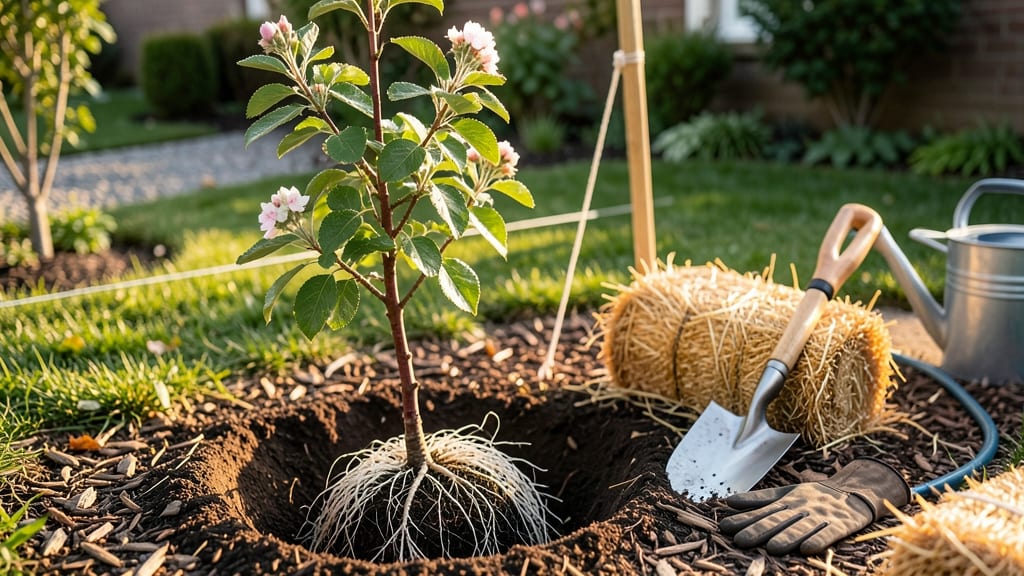
Planting an apple tree 🍎 in Iowa at the wrong time can turn your orchard dreams into a frost-bitten disappointment—but getting the timing right means the difference between a thriving tree and years of frustration.
Iowa’s 5a-5b climate demands precision: soil temperatures must hit 50°F at 4 inches deep before you plant, and waiting too long risks stunted growth or winter damage. The ideal window opens in early spring (March-April), but fall planting (September-October) works too—if you act fast.
Whether you’re planting bare-root saplings or container-grown trees, I’ll break down the exact steps to match Iowa’s chill hours, frost dates, and soil conditions. No guesswork—just proven strategies for a tree that grows strong and bears fruit for decades.
Let’s get your orchard off to the right start with the best planting times, variety tips, and care secrets tailored for Iowa’s climate.
Iowa’s ideal planting windows by soil temperature & frost risk
Timing is everything when planting apple trees in Iowa. The state’s USDA zones 4-5 mean frost can linger until mid-April in northern regions, while southern Iowa may see soil warm earlier. Your goal?
Plant when soil reaches 50°F at 4-inch depth—this ensures roots establish before summer heat or winter dormancy. I’ve broken down the perfect windows for both bare-root and container-grown trees, plus regional tweaks to avoid costly mistakes.
Iowa’s last average frost dates range from April 15 in northern zones (like Waterloo) to April 5 in southern areas (like Ottumwa). However, soil temperature lags behind air temperature—don’t rush planting just because daffodils bloom.
Use a soil thermometer to confirm readiness, or follow local Iowa State Extension frost forecasts for your county. Pro tip: Bare-root trees need cooler soil (40-50°F), while container-grown trees tolerate slightly warmer conditions (50-60°F).
For spring planting, aim for late April to early May in most of Iowa. This gives roots time to establish before summer drought stress kicks in. In northern Iowa, wait until after May 1 to avoid late frosts—even if soil is warm.
Container-grown trees can handle slightly warmer soil (50-60°F), but bare-root trees need cooler conditions (40-50°F) to prevent root desiccation. I’ve planted Honeycrisp and Haralson varieties in both zones and found that mid-May is the safest bet in Zone 4a.
Fall planting is another great option in Iowa, but timing is critical. Plant 6-8 weeks before the first hard frost (typically September 15–October 15). This allows roots to establish before winter dormancy. Avoid late fall planting—trees won’t have enough time to harden off.
I’ve had success with Liberty apples planted in early October, but I always mulch heavily (4-6 inches) to insulate roots. Pro move: Water deeply before the first frost to hydrate the root zone.
Regional variations matter. In southern Iowa (Zone 5b), you can plant as early as early April if soil is warm enough. But in northwest Iowa (Zone 4a)mid-May to avoid frost damage. Check local Iowa State University Extension frost maps or use the National Weather Service’s frost prediction tools.
I once planted a Fuji apple tree in early April in Zone 5a—it survived, but growth was stunted until June. Lesson learned: Soil temperature > air temperature for success.
Don’t overlook microclimates. South-facing slopes warm faster than north-facing yards, so adjust your planting window accordingly. Low-lying areas may experience late frosts even after surrounding areas thaw. If you’re unsure, err on the side of caution—wait 2 weeks past your average last frost date for bare-root trees.
For container-grown trees, you can plant slightly earlier since their roots are already established. I’ve used this strategy with Gala apple trees in both Des Moines and Cedar Rapids, and it’s worked flawlessly.
Matching apple varieties to Iowa’s chill-hour requirements
Iowa’s 600–1,000 chill-hour range demands apple varieties that thrive in cold winters while still producing sweet, flavorful fruit. Choosing the right cold-hardy varieties ensures your orchard survives harsh winters and yields abundant harvests. Varieties like Honeycrisp and Haralson are top picks for Iowa growers, balancing disease resistance and flavor.
Understanding chill-hour requirements is critical—too few hours can prevent blooming, while too many may stress the tree. Most Iowa varieties fall within 500–1,000 chill hours, making them ideal for the state’s climate. Pairing compatible pollination partners also maximizes fruit set, as many apple trees require cross-pollination for successful harvests.
| Variety | Chill Hours | Disease Resistance | Pollination Partner | Best For |
|---|---|---|---|---|
| Honeycrisp | 700–900 | Moderate (fire blight) | Golden Delicious, Haralson | Fresh eating, storage |
| Haralson | 500–700 | High (scab, rust) | Honeycrisp, Liberty | Home orchards, processing |
| Liberty | 600–800 | Very high (scab, rust) | Haralson, Honeycrisp | Organic orchards |
| Zestar! | 500–700 | High (fire blight) | Golden Delicious | Cold climates, fresh eating |
For disease resistance, prioritize varieties like Liberty or Haralson, which excel in Iowa’s humid summers. These varieties resist common issues like apple scab and cedar apple rust, reducing the need for chemical treatments. Always check local nursery recommendations for region-specific insights, as microclimates can influence performance.
When selecting pollination partners, pair varieties with overlapping bloom times. For example, Honeycrisp and Golden Delicious bloom simultaneously, ensuring successful cross-pollination. Planting two compatible varieties within 50 feet of each other guarantees better fruit set. Dwarf varieties like Zestar! are perfect for small spaces but still require compatible pollinators.
Consider rootstock choices too—dwarfing rootstock (e.g., M.9) keeps trees manageable while maintaining productivity. Semi-dwarf rootstock (e.g., MM.106) offers a balance between size and yield, ideal for home orchards. Always match rootstock to your soil type and desired tree size for long-term success.
Finally, mulch young trees with organic matter to insulate roots during winter and retain moisture in summer. Prune in late winter to remove dead or diseased branches and open the canopy for better airflow. With the right variety and care, your Iowa orchard will thrive for decades.