
Planting
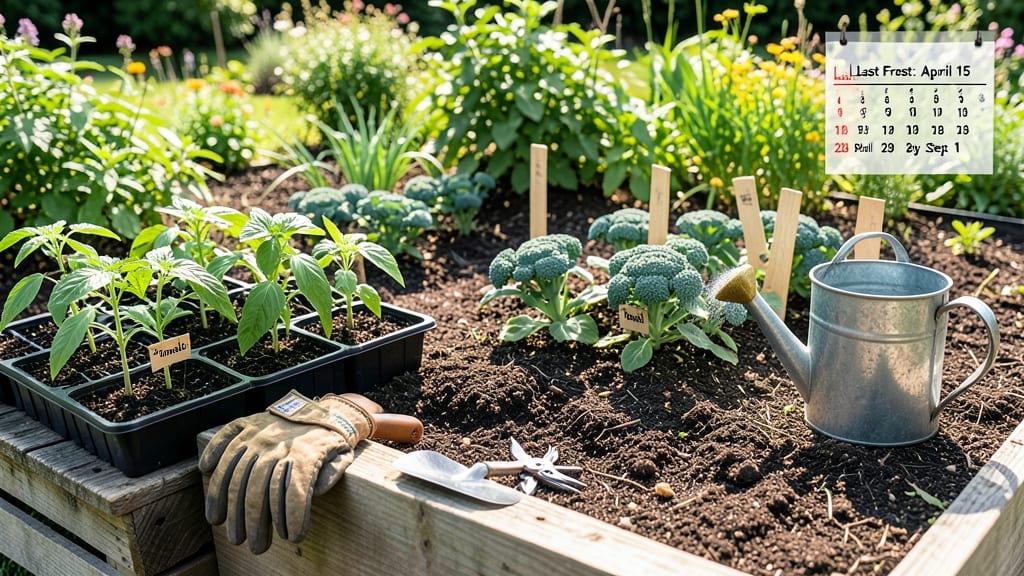
Timing your garden planting in Washington, DC, can feel like solving a puzzle—get it wrong, and you’ll watch your seeds wilt before they even sprout. The key to success lies in understanding USDA Zone 7b’s frost dates, which dictate when to plant everything from leafy greens to sun-loving tomatoes.
With DC’s mild winters and sweltering summers, the window for planting is narrower than you might think. Miss the last frost date (around mid-April), and your cool-season crops will bolt before harvest.
But rush warm-season plants too early, and a late frost could turn your garden into a sad, crispy memory.
I’ve spent years perfecting my DC garden schedule, and the difference between a thriving plot and a flop comes down to one simple rule: plant cool crops early, warm crops late, and always account for the city’s urban heat islands.
Let me walk you through the exact deadlines and pro tips to make your garden flourish.
Whether you’re a first-time gardener or a seasoned green thumb, knowing when to plant in DC means fewer wasted seeds and more homegrown harvests. Ready to turn your yard into a productive oasis? Let’s get started.
Washington DC frost dates & ideal planting windows by season (zone 7b guide)
Washington DC’s USDA Zone 7b climate offers a 180-day growing season, but precise timing is key to avoiding frost damage. The average last frost date falls between March 15–April 15, while the first frost typically arrives November 1–15.
These dates shift slightly each year, so always check local forecasts before planting heat-sensitive crops like tomatoes or peppers.
Urban heat islands in DC can push frost dates 1–2 weeks later in city centers, while rural areas may experience earlier frosts. For example, Rock Creek Park often stays warmer than southeast DC.
Adjust your planting schedule based on your microclimate—this guide helps you navigate those nuances for vegetables, flowers, and herbs.
Below is your seasonal planting calendar, broken down by month. Use this as a roadmap for direct sowing and transplanting, with notes on which crops thrive in DC’s humid summers and mild winters.
Pro tip: Start cool-season crops indoors 6–8 weeks before the last frost for a head start!
| Month | Planting Window | Best Crops to Plant | Avoid Planting | Microclimate Tip | ||||||||||||||||||||||||||||||||||||||
|---|---|---|---|---|---|---|---|---|---|---|---|---|---|---|---|---|---|---|---|---|---|---|---|---|---|---|---|---|---|---|---|---|---|---|---|---|---|---|---|---|---|---|
| March | Start cool-season crops indoors | Spinach, kale, peas, onions, calendula | Tomatoes, peppers, cucumbers | Use row covers for early outdoor sowings | ||||||||||||||||||||||||||||||||||||||
| April | Last frost risk (April 15 avg.) | Lettuce, radishes, carrots, marigolds, basil (after frost) | Eggplants, okra (wait until May) | Rural areas: Wait until May 1 for heat-lovers | ||||||||||||||||||||||||||||||||||||||
| May | Full warm-season planting | Tomatoes, peppers, beans, squash, sunflowers | None—ideal for most crops! | Urban areas: Mulch to retain moisture | ||||||||||||||||||||||||||||||||||||||
| June–July | Succession plant heat-tolerant greens | Okra, sweet potatoes, zinnia, basil | Lettuce, spinach (bolting risk) | Shade cloth for seedlings in peak heat | ||||||||||||||||||||||||||||||||||||||
| August | Prepare for fall planting | Broccoli, cabbage, pansies, chives | Tomatoes, peppers (decline in heat) | Test soil pH—fall crops prefer 6.0–7.0 | ||||||||||||||||||||||||||||||||||||||
| September | Last chance for warm-season crops | Green beans, cucumbers, nasturtium | None—harvest remaining warm crops | Plant cover crops (e.g., clover) to protect soil | ||||||||||||||||||||||||||||||||||||||
| October | Focus on cool-season transplants | Garlic, leeks, dahlias
Best vegetables to plant in DC’s spring vs. fall (with exact deadlines)DC’s spring and fall seasons offer perfect windows for growing vegetables, but timing is everything. Cool-season crops like broccoli, spinach, and kale thrive in early spring and fall, while tomatoes, peppers, and cucumbers need the warmth of late spring and summer. Missing these deadlines can mean bolting greens or stunted fruit production. In USDA Zone 7b, last frost typically arrives between March 15–April 15, and first frost hits November 1–15. This gives you two prime planting seasons: early spring (March–April) and late summer (August–September). Let’s break down the best crops for each season and how to maximize your harvest.
For spring plantings, focus on cool-season crops like broccoli and spinach. Start seeds indoors 4–6 weeks before last frost (mid-February) or sow directly in well-drained soil once temperatures stabilize above 40°F. Use row covers to protect young plants from late frosts, which can delay growth by weeks. In late summer, switch to fast-maturing varieties like lettuce and radishes for a fall harvest. Plant 8–10 weeks before first frost (early August) to ensure they mature before cold sets in. Succession planting every 2 weeks keeps your harvest steady—try sowing bush beans in early August for a late-season crop. Don’t overlook warm-season crops like okra and sweet potatoes, which thrive in DC’s hot, humid summers. Plant okra seeds after May 15 when soil temps exceed 60°F, and harvest within 50–60 days. For tomatoes, use cage supports |