
Planting
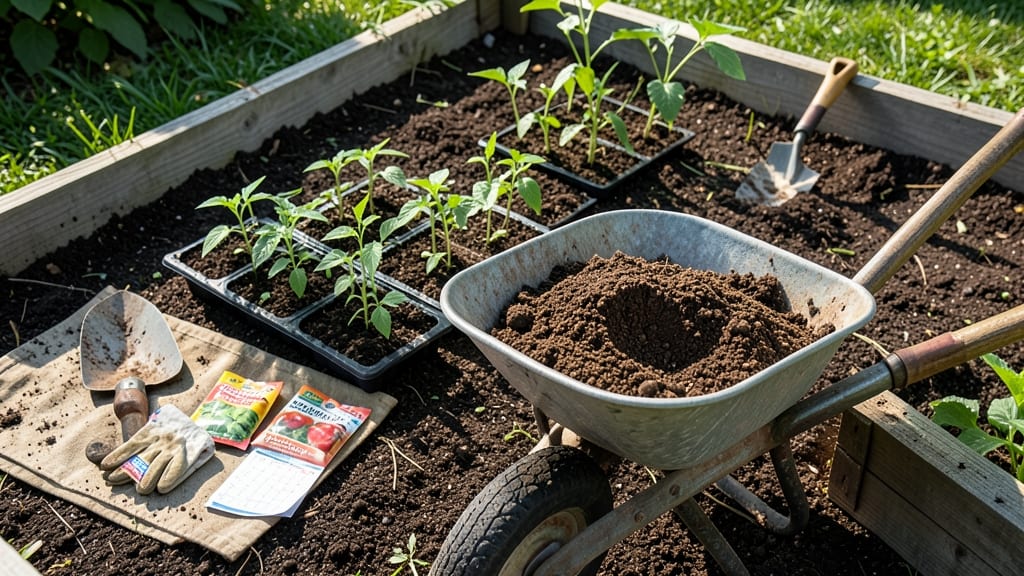
Planting your 🌱 garden in Georgia at the wrong time can mean wilted dreams before the season even starts—especially when last frost dates shift from the mountains to the coast.
Whether you're in Zone 7a or 8b, timing is everything, and getting it right could mean the difference between a bumper crop and a sad, half-dead patch.
I’ve spent years watching Georgia gardens thrive (and fail) based on one critical factor: when seeds hit the soil. The key?
Cool-season crops like lettuce and peas need to go in March–April, while tomatoes and peppers wait until after that last frost—usually mid-March in Atlanta but weeks later in the northern mountains. Miss the window, and you’re fighting humidity, pests, or worse.
But here’s the good news: with the right schedule, you can stretch your growing season from spring greens in April to fall squash in September. I’ll break down the exact months for your region, so you can plant with confidence—no more guesswork, just zero-frost success every time.
Ready to turn your Georgia garden into a year-round powerhouse? Let’s dive into the planting calendar that actually works for your zone.
Georgia planting calendar by region: frost dates & best months for success
Georgia’s diverse climate—from the cool Appalachian Mountains to the humid coastal plains—creates three distinct planting zones with varying frost dates and ideal planting windows. Whether you're in North Georgia’s Zone 7a, Central Georgia’s Zone 7b-8a, or South Georgia’s Zone 8a-8b, timing is everything.
Plant too early, and a late frost will kill tender seedlings; too late, and summer heat will stress your crops.
I’ve broken down the last frost dates, ideal planting months, and seasonal crop windows for each region so you can maximize your harvest. Pro tip: Use row covers to extend your spring and fall seasons by 2-4 weeks in cooler areas.
| Region | Last Frost Date | First Frost Date | Best Spring Planting | Best Fall Planting | Summer Crops |
|---|---|---|---|---|---|
| North Georgia (Mountains) | March 15 - April 1 | October 30 - November 15 | March 1 - April 15 | August 1 - September 15 | April 15 - June 1 |
| Central Georgia (Atlanta) | March 1 - March 15 | November 1 - November 15 | February 15 - April 1 | July 15 - September 1 | March 20 - June 15 |
| South Georgia (Coastal) | February 15 - March 1 | November 15 - December 1 | January 15 - March 31 | July 1 - August 31 | March 1 - July 1 |
In North Georgia, where Zone 7a dominates, the last frost typically arrives March 15-April 1. This means cool-season crops like broccoli, cabbage, and peas should hit the soil by February 15 for a spring harvest.
Wait until April 15 to plant warm-season staples like tomatoes and peppers, once soil temps stay above 60°F.
Central Georgia gardeners in Zone 7b-8a (think Atlanta and Athens) enjoy a longer growing season.
Start cool-season crops as early as February 15, but be ready to protect seedlings with frost cloth if temperatures dip below 32°F. Summer crops like okra and sweet potatoes thrive when planted after April 15, with a second planting in July for a fall harvest.
Down in South Georgia’s Zone 8a-8b, the last frost arrives February 15-March 1, allowing for earlier plantings of both cool and warm-season crops. Leafy greens like kale and spinach can grow year-round with minimal protection, while tomatoes and peppers can be direct-sown as early as March 1 if you’re brave enough to risk the occasional light frost.
For fall planting, prioritize heat-tolerant varieties like collards, mustard greens, and turnips in August-September.
In North Georgia, aim for August 1 to avoid first frost by November 15. Central Georgia can push fall crops until September 1, while South Georgia enjoys a longer window until November 15.
Pro tip: Use soil thermometers to confirm 60°F+ soil temps before planting warm-season crops. Cold soil slows germination and stresses young plants. In North Georgia, this often means waiting until late April for tomatoes, while South Georgia can start as early as March 15.
Don’t forget perennials and shrubs! In North Georgia, plant azaleas and hydrangeas in early spring (March) or fall (October) to establish roots before summer heat. Central and South Georgia can plant these year-round, but spring and fall are ideal for best root development.
Whether you're battling mountain frosts or coastal humidity, knowing your region’s frost dates and planting windows is the key to a bountiful, stress-free garden. Mark your calendar, and happy planting! 🌱
Top 5 Georgia-friendly crops & their perfect planting timing
Georgia’s long, hot summers and mild winters create the perfect conditions for growing heat-loving crops that thrive in our humid subtropical climate.
Whether you're in the coastal plains or the mountain foothills, these top 5 high-yield crops will reward you with bountiful harvests when planted at the right time. Let’s dive into their ideal transplant dates and spacing to maximize your garden’s potential.
Timing is everything in Georgia gardening. Planting too early can expose tender seedlings to late spring frosts, while waiting too long risks summer heat stress.
The key is to start warm-season crops after your last frost date—typically mid-April in North Georgia and early March in South Georgia—when soil temperatures consistently reach 60°F or higher. For cool-season crops, aim for 4-6 weeks before your last frost.
🌱 Georgia’s Best Heat-Tolerant Crops & Planting Guide
-
1. Tomatoes
📅 Plant: April 15–May 15 (after last frost)
📏 Spacing: 18–24" apart, 3–4' between rows
🌡️ Tip: Use black plastic mulch to retain heat and deter weeds. Prune suckers for better air circulation. -
2. Peppers
📅 Plant: March 1–April 15 (start indoors 8–10 weeks before last frost)
📏 Spacing: 12–18" apart, 2–3' between rows
🌡️ Tip: Peppers love full sun and well-draining soil. Add compost to prevent blossom-end rot. -
3. Okra
📅 Plant: April 15–June 1 (direct sow after soil warms)
📏 Spacing: 12–18" apart, 2–3' between rows
🌡️ Tip: Okra thrives in hot, dry conditions. Water deeply but infrequently to encourage strong stems. -
4. Squash (Butternut/Zucchini)
📅 Plant: March 15–April 30 (start seeds indoors 3–4 weeks before last frost)
📏 Spacing: 24–36" apart, 3–4' between hills
🌡️ Tip: Use row covers early to protect from pests like squash bugs. -
5. Native Flowers (Black-Eyed Susan, Coneflower)
📅 Plant: September–October (fall) or March–April (spring)
📏 Spacing: 12–18" apart
🌡️ Tip: These drought-tolerant perennials attract pollinators and thrive in Georgia’s clay-heavy soil.
Don’t overlook soil preparation before planting. Georgia’s clay-heavy soils benefit from compost or aged manure to improve drainage. For warm-season crops, wait until the soil is at least 60°F—use a soil thermometer to check.
If you’re in North Georgia, consider using row covers to extend your growing season for heat-sensitive varieties like tomatoes.
For fall planting, focus on cool-season crops like lettuce or spinach, but stick to heat-tolerant varieties for late summer. Georgia’s humidity can promote fungal diseases, so avoid overhead watering and opt for drip irrigation instead.
Mulching with straw or pine needles helps retain moisture and keeps roots cool during peak summer heat.
Pro tip: Succession planting ensures a continuous harvest. For example, sow okra seeds every 2 weeks from April to June, and replace spent tomato plants with late-season varieties like 'Celebrity' or 'Better Boy' in July.
With the right timing and care, your Georgia garden can produce abundant yields all season long! 🌿