
Plants
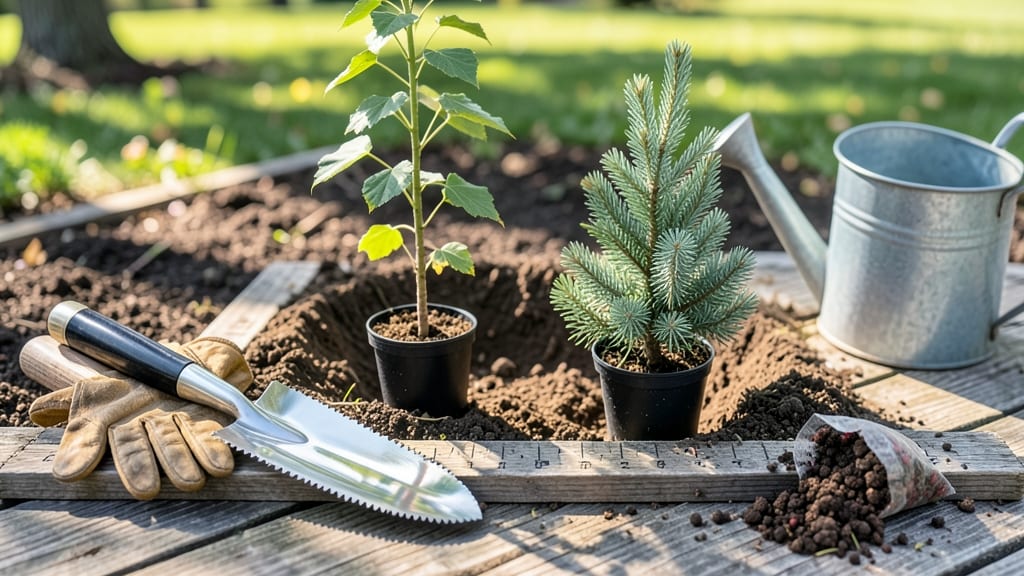
Planting a tree in Colorado at the wrong time can mean the difference between a thriving 🌳 and years of frustration—especially when dealing with the state's dramatic temperature swings and high-altitude growing conditions.
If you've ever wondered why some trees struggle while others thrive in your yard, the answer often lies in timing. Colorado's USDA zones 5-7 create unique challenges, from early spring freezes to late fall frosts that can stunt root growth if you're not careful.
I've helped countless gardeners in Colorado navigate these challenges, and what I'm about to share will help you avoid common mistakes that lead to weak trees. Whether you're planting bare-root saplings or container-grown specimens, knowing the exact windows for optimal growth is the key to long-term success.
Let's dive into the science behind Colorado's planting seasons and discover how to give your new tree the best possible start—no matter where you live in the state.
Colorado USDA zones: exact planting deadlines by region for tree root establishment
Colorado’s USDA zones 4-7 create unique challenges for tree planting, where elevation shifts and microclimates dramatically alter ideal timing. In Zone 5 (Denver), for example, you’ll need to plant 4-6 weeks earlier than in Zone 6 (Durango) due to higher altitudes.
Understanding these planting windows ensures your tree’s roots establish before winter dormancy or summer drought stress.
Most Colorado gardeners focus on two primary planting windows: late winter/early spring (when soil thaws) and fall (September-October), when trees can establish roots before freeze. However, soil temperature thresholds—not just calendar dates—dictate success.
For instance, bare-root trees should go in when soil reaches 40°F (4°C), while container-grown trees tolerate slightly warmer conditions.
Here’s how elevation and zone impact your planting timeline, with exact deadlines for Colorado’s most common regions:
In Zone 4 (Fort Collins), for example, planting after April 15 risks late frosts that can damage tender roots. Meanwhile, Zone 7 (Trinidad) gardeners have until November 1 to plant container-grown trees, thanks to milder winters.
Always check local frost dates—Colorado’s 10,000-foot elevation swings mean a 5°F (3°C) difference every 1,000 feet in altitude.
For bare-root trees, prioritize late winter planting (February-March) when trees are dormant but soil is workable. Container-grown trees, however, offer flexibility year-round, except during extreme heat (>90°F) or freezing temperatures (<20°F).
In Denver’s Zone 5, I’ve seen blue spruce thrive when planted in early October, but oak trees struggle if planted after September 20 due to slower root growth.
Soil preparation is just as critical as timing. Amend heavy clay soils with compost or sand to improve drainage, and test pH levels (6.0-7.5 ideal). In high-altitude zones (Zone 4-5), add mycorrhizal fungi to help roots adapt to thin soils.
For urban areas like Denver, consider root-pruning container-grown trees before transplanting to reduce shock.
Watch for soil moisture—Colorado’s arid climate means newly planted trees need
Best tree species for Colorado planting: fast-growing vs. cold-hardy varieties by season
Colorado gardeners face unique challenges when selecting trees, from high-altitude winds to drought conditions. The right species can mean the difference between a 10-year-old sapling and a mature shade provider in just a few seasons.
Fast-growing varieties like quaking aspen can reach 10 feet per year, while cold-hardy evergreens like Colorado blue spruce thrive in Zone 3-7 conditions.
Your planting strategy should match the seasonal growth cycle of your chosen tree. Spring-planted trees like fruit trees establish roots before summer heat, while fall-planted oak varieties benefit from cooler temperatures. Microclimates also play a role—urban areas with heat islands may suit drought-tolerant species better than rural high-altitude sites.
🌳 Spring vs. Fall Planting in Colorado
Spring Planting (March-May)
- Pros: Longer root growth before winter
- Best for: Fruit trees, willows, poplars
- Tip: Water deeply 2x/week first season
Fall Planting (September-October)
- Pros: Cooler temps reduce transplant shock
- Best for: Oaks, maples, evergreens
- Tip: Mulch 3 inches deep to insulate roots
⚠️ Avoid planting: Late fall (risk of freeze damage) or summer (heat stress)
For urban landscapes, consider dwarf varieties like the Green Mountain spruce, which grows just 2-3 feet per year while requiring minimal space. These thrive in container gardens or tight yards.
In contrast, rural properties benefit from fast-growing native species like cottonwood, which can add 15 feet annually but needs plenty of water.
Cold-hardy evergreens like Engelmann spruce (Zone 3-6) outperform many deciduous options in high-elevation areas. Their needle retention provides year-round cover, while their slow growth (3-6 inches/year) makes them low-maintenance. Pair these with deciduous fruit trees like apples or cherries for seasonal interest and harvests.
When selecting trees, prioritize native species for drought tolerance and pest resistance. The Colorado blue spruce handles dry winds better than many imports, while plains cottonwood thrives along waterways. Always check mature size—a 100-foot ponderosa pine won't fit in most yards!
Pro tip: Test your soil's drainage and pH before planting. Most Colorado trees prefer slightly acidic soil (6.0-7.0), but evergreens can tolerate alkaline conditions. Amend clay soils with compost or sand to prevent root rot.