
Trees
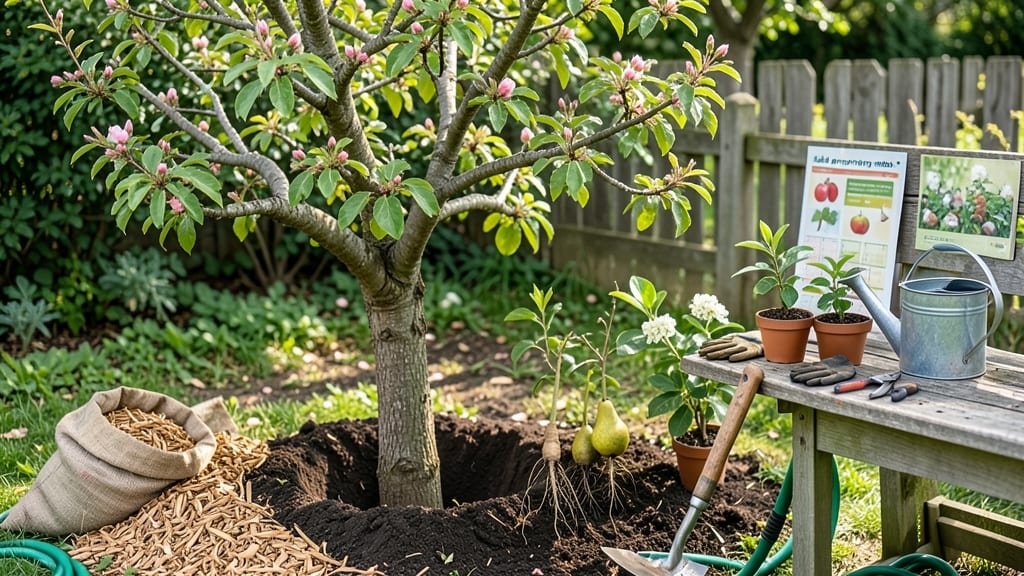
Planting your 🍎 fruit tree in South Carolina at the wrong time could mean watching it struggle—or worse, fail—before it ever bears fruit. The key to success lies in understanding when to plant, because getting the timing right means stronger roots, faster growth, and bigger harvests down the road.
If you're in USDA zones 7b-9a, late winter to early spring (February through March) is your golden window for planting most fruit trees.
This timing gives young roots time to establish before the heat of summer arrives, but it’s not as simple as just picking a month—soil temperature, frost risks, and even your tree’s variety all play a role.
For example, peach trees need to be in the ground 4-6 weeks before the last frost (usually by mid-March), while citrus and figs can handle a slightly later start.
Bare-root trees need moist soil to wake up, while container-grown ones can wait a little longer—so knowing the difference saves you from costly mistakes.
I’ll walk you through the exact deadlines for your zone, plus how to adjust for microclimates like coastal areas or the Piedmont. By the end, you’ll know not just when to plant, but how to set your fruit tree up for a lifetime of success.
South Carolina's best planting windows by USDA Zone (and why timing matters)
South Carolina spans USDA Zones 7b through 8b, giving gardeners a 6-8 week window for planting fruit trees—if timed correctly. The difference between bare-root and container-grown trees shifts deadlines by weeks, while frost dates vary by just 10-14 days across the state.
For example, Charleston (Zone 8b) can plant citrus trees in February, while Greenville (Zone 7b) must wait until March to avoid frost damage.
Planting too early risks root damage from cold snaps, while waiting too late means weak root establishment before summer heat. My peach trees in Zone 7b thrive when planted in late February, but apple trees need the entire March window to develop strong roots before summer droughts.
The key? Align planting with soil temperatures above 50°F and 4-6 weeks before last frost.
Your USDA Zone dictates more than just months—it affects tree dormancy and root flush timing. In Zone 7b, peach trees enter dormancy by November, so planting in late February gives roots 8-10 weeks to establish before summer stress.
Meanwhile, Zone 8b citrus trees can be planted as early as January because frost risks are minimal, but they still need 60°F soil to prevent root rot.
I’ve learned the hard way that bare-root trees need moist but not soggy soil—planting them in dry February soil (common in Upstate SC) means root desiccation before they even sprout. Always check soil moisture by squeezing a handful: if it doesn’t crumble, wait 1-2 weeks.
For container-grown trees, the window extends into May, but avoid July-August when humidity and pests spike.
Frost dates are your hard deadline, but microclimates can shift them by weeks. For example, Charleston’s coastal zone rarely sees frost after February 15, while Greenville’s piedmont can hit 28°F in March.
Use the SC State Climate Office’s frost maps to pinpoint your exact last frost date, then plant 4-6 weeks prior. Pro tip: Mulch heavily
Critical factors that determine your exact planting deadline in SC
Your fruit tree's planting deadline in South Carolina isn't just about the calendar—it's a delicate balance between soil temperature, local rainfall patterns, and the type of tree you're planting.
For example, bare-root peach trees need moist soil by early March, while container-grown citrus can wait until late spring when the ground warms up. Understanding these factors helps you avoid planting too early (risking frost damage) or too late (stunting root growth).
South Carolina's humid subtropical climate means we have two distinct planting windows: late winter (February-March) for most trees and a secondary window in fall (October-November) for drought-tolerant varieties like figs.
However, your exact deadline shifts based on whether you're in the coastal plain (Zone 8a), Piedmont (Zone 7b), or mountains (Zone 6b). Even within these zones, microclimates—like a sheltered yard or low-lying area—can push your deadline by weeks.
🌱Here's the numbered breakdown of what truly determines your planting deadline:
- 1 Soil Temperature: Bare-root trees need soil at 40-50°F to wake from dormancy. Use a soil thermometer—if it's below 40°F, delay planting. Container-grown trees can handle slightly warmer soil (50-60°F).
- 2 Rainfall Patterns: SC's winter droughts (common in January-February) can dry out soil too quickly. If your area has less than 2 inches of rain in 2 weeks, water deeply before planting to avoid transplant shock.
- 3 Tree Type: Bare-root trees (like apple or pear) must go in the ground immediately after purchase—their roots dry out fast. Container-grown trees (e.g., citrus, avocado) can wait until soil warms, even into April or May in cooler zones.
- 4 Microclimates: Coastal areas (e.g., Charleston) have warmer soil and can plant 2-3 weeks earlier than Piedmont regions. If your yard is in a low spot, frost lingers longer—adjust your deadline by 10-14 days.
- 5 Frost Risk: Check the 10-day forecast for hard freezes (<32°F). If frost is predicted within 2 weeks of planting, delay until after the last frost date (typically March 15 in most of SC).
For instance, if you're planting a bare-root peach tree in Zone 7b (Piedmont), aim for mid-February to early March—but if you're in Zone 8a (coastal), you might push it to late February due to warmer soil.
Meanwhile, a container-grown fig tree can wait until April in both zones because it tolerates heat better and doesn’t need to wake from dormancy.
Pro tip: Test your soil temperature for 3 consecutive days before planting. If it hovers around 50°F during the day, your bare-root tree is ready. For container-grown trees, wait until soil reaches 60°F—this prevents root shock.
In SC’s humid climate, planting at the right temperature also reduces the risk of soil-borne diseases like root rot.
Don’t forget to adjust for local rainfall too. If your area is experiencing drought conditions (check SC DNR’s drought monitor), water the planting hole 2-3 days before to create a moist environment for roots.
This is especially critical for clay-heavy soils common in the Piedmont, which can become waterlogged if overwatered.
🌿 By factoring in these 5 critical elements, you’ll pinpoint your exact planting deadline—whether it’s February 15 for a bare-root apple tree in the Upstate or April 1 for a container-grown avocado in Charleston.
The key is flexibility: monitor your soil, track forecasts, and choose the right tree type for your microclimate.