
Plants
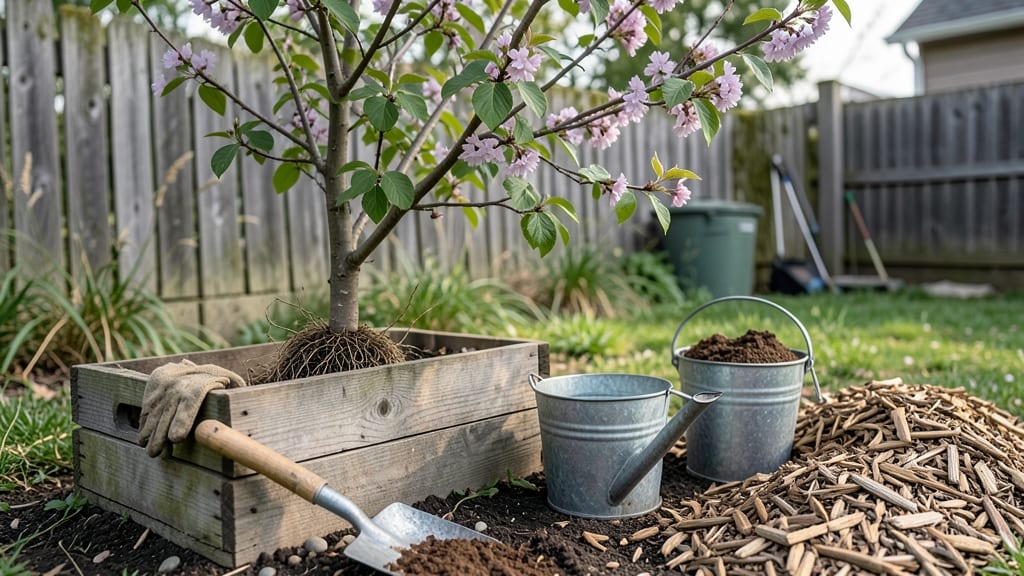
Planting a tree in Texas at the wrong time can mean stunted growth, weak roots, or even death—but timing it right guarantees a thriving landscape for decades. Whether you're in the humid East or the arid West, understanding the best months for your region makes all the difference.
Fall and early spring are the golden windows, but local climate zones add layers to the equation.
I’ve seen firsthand how a well-timed tree 🌳 can transform a yard, while a poorly chosen moment leaves homeowners scrambling to fix mistakes. The key? Soil temperatures, rainfall patterns, and even urban heat islands play a role.
Let’s break down the exact months that work for your part of Texas—so your new tree takes root strong and grows for generations.
From live oaks to drought-resistant mesquites, different species need different care. Some thrive when planted in October’s mild weather**, while others wait for February’s gentle warmth.
We’ll cover how to prep your soil, choose the right container if needed, and avoid common pitfalls that kill new plantings before they even start.
Ready to plant with confidence? By the end, you’ll know not just when to dig, but how to set your tree up for success—whether you’re in Zone 7a or 10b**. Let’s get those roots growing the right way.
Texas tree planting calendar by region: best months for optimal root development
Planting a tree in Texas isn't just about grabbing a shovel—it's about understanding your local microclimate. The Lone Star State spans USDA zones 7a-10b, meaning East Texas gets tropical humidity while West Texas bakes in desert heat.
Getting the timing wrong can leave your tree struggling through 100°F summers or freezing winter chills. Let's break down the ideal planting windows for each region to ensure your tree develops strong roots before extreme weather hits.
In Texas, fall and early spring are the golden windows for tree planting. These periods offer cooler temperatures, moderate rainfall, and soil moisture—perfect conditions for roots to establish before summer's brutal heat or winter's unpredictable freezes.
However, each region has unique challenges. East Texas's high humidity can cause fungal issues, while West Texas's drought conditions demand extra watering attention. Let's dive into the specific months that work best for your area.
| Region | Best Planting Months | Soil Temperature | Key Considerations |
|---|---|---|---|
| East Texas (Zones 7a-9a) | October - December, February - March | 55-75°F | High humidity; watch for fungal diseases. Avoid late spring planting due to heat stress. |
| Central Texas (Zones 8a-9b) | November - January, February - Early March | 50-70°F | Moderate rainfall; ideal for native oaks and pecans. Avoid summer planting due to drought. |
| West Texas (Zones 7b-9a) | October - November, February - March | 50-65°F | Drought-prone; use drip irrigation for newly planted trees. Mesquite and juniper thrive here. |
| North Texas (Zones 7a-8b) | November - December, February - March | 45-65°F | Variable winters; protect young trees from late freezes. Great for fruit trees like pecans and figs. |
| South Texas (Zones 9a-10b) | September - October, February - March | 65-80°F | High heat and humidity; plant shade trees like live oaks early to avoid transplant shock. |
For East Texas, think October through December as your prime window. The cooler temperatures and higher humidity create ideal conditions for root growth, while avoiding the summer's oppressive heat and spring's unpredictable rains.
If you're planting in Houston or Beaumont, focus on native species like Southern magnolias or bald cypresses, which handle the wet soils and high humidity better than non-natives. Just be cautious of fungal diseases like root rot—keep the soil well-draining and avoid overwatering.
In Central Texas, including Austin and San Antonio, the best months stretch from November to January and again in February and early March. This region offers a perfect balance of moderate rainfall and cool nights, which are critical for root establishment.
If you're planting live oaks or pecan trees, these months give them the best chance to thrive before the summer drought sets in. Pro tip: Mulch heavily to retain moisture and regulate soil temperature.
If you're in West Texas, where cities like El Paso and Lubbock experience extreme drought conditions, your planting window narrows to October and November or February and March.
The soil stays cooler longer in these months, and the risk of frost is lower than in Central Texas. Choose drought-tolerant species like mesquite, juniper, or desert willow, and be prepared to water deeply and infrequently once planted. A drip irrigation system can make all
Critical factors that determine the perfect planting time in Texas
Texas gardeners know timing is everything when planting trees—especially in a state where summer heat can scorch new roots and winter freezes can damage tender shoots. The perfect planting window depends on four critical factors: soil temperature, rainfall patterns, tree species maturity, and local climate zones.
These elements interact to create the ideal conditions for root establishment before extreme weather strikes.
Let’s break down how each factor influences your planting schedule. For example, East Texas with its humid summers benefits from fall planting (October-December) to avoid soggy soil, while West Texas’s dry climate thrives with early spring (February-March) to capitalize on spring rains.
Even within these regions, urban heat islands can push planting dates earlier, and coastal humidity may require adjustments to prevent fungal diseases.
- 1 Soil Temperature: Aim for 60-70°F at 6 inches deep. Below 50°F, roots struggle to grow, while above 80°F, moisture evaporates too quickly.
- 2 Rainfall Patterns: Plant when natural rainfall is consistent. East Texas benefits from fall rains, while West Texas relies on spring showers to hydrate soil.
- 3 Tree Species Maturity: Bare-root trees (like oaks) plant best in dormant season (winter), while container-grown trees (like fruit trees) adapt to spring or fall planting.
- 4 Local Climate Zones: Texas spans USDA Zones 7a-10b. Adjust planting dates: Zone 7a (North Texas) plants late winter, while Zone 10b (South Texas) plants year-round with caution.
- 5 Microclimates: Urban areas (like Dallas) heat up faster—plant 2-4 weeks earlier than rural zones. Coastal regions (like Galveston) may need fungicide treatments if planting in humid months.
For instance, a live oak in Houston (Zone 9a) thrives when planted in November, when soil is warm enough for root growth but humidity hasn’t peaked.
Meanwhile, a pecan tree in Lubbock (Zone 8a) fares better in March, aligning with the arrival of spring rains and avoiding the 100°F+ summers.
Don’t overlook container-grown trees, which offer flexibility. These can be planted year-round in cooler regions (like North Texas), but avoid extreme heat or freeze warnings. Always check the root flare—the transition between roots and trunk—should sit 1-2 inches above soil level to prevent rot.
Pro tip: Use a soil thermometer to monitor temperatures. If your garden soil hovers around 65°F at 6 inches deep, it’s prime planting time. Pair this with mulching (2-4 inches of organic mulch) to retain moisture and regulate soil temperature—critical in Texas’ variable climate.
By aligning your planting schedule with these five critical factors, you’ll give your trees the best chance to establish strong roots before Texas’ brutal summers or unpredictable winters take over. Happy planting! 🌳