
Planting
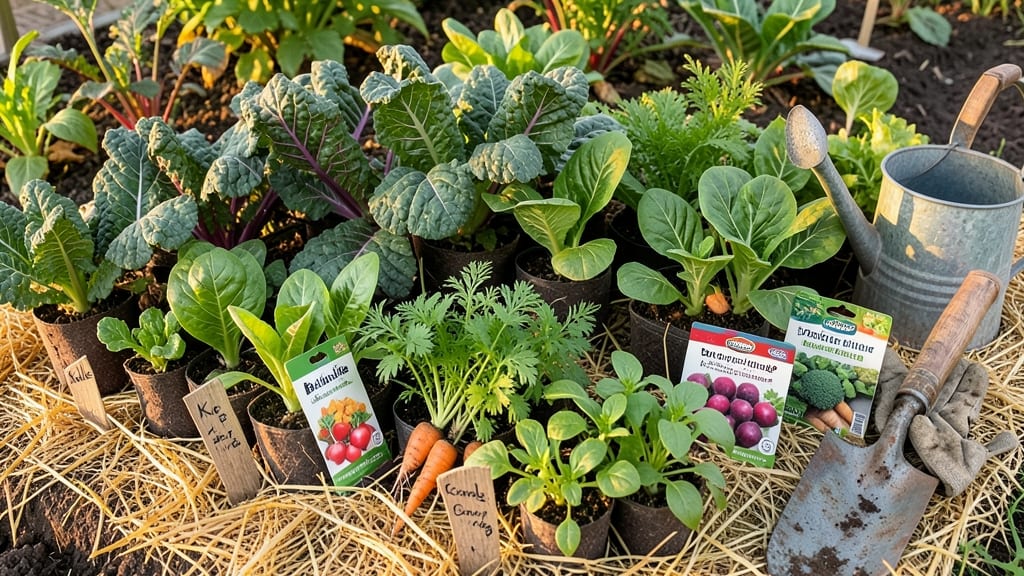
Timing when to plant a fall garden in South Texas could mean the difference between a bumper crop of 🥬 and a sad, wilted disappointment—especially when those first frosts sneak in earlier than expected.
The key isn’t just waiting for cooler weather; it’s knowing exactly when to plant each variety so they mature before winter’s chill sets in.
Here’s the secret: Start your cool-season crops between mid-August and early October, depending on your county. That’s when South Texas’s heat finally cools enough for greens, root veggies, and brassicas to thrive—without bolting or struggling. But don’t wait too long, or you’ll miss the window entirely.
I’ve grown more than my share of fall gardens in 9a-10a zones, and the difference between a 60-day harvest and a 90-day gamble comes down to these exact start dates.
Whether you’re in the Rio Grande Valley or the Hill Country, this guide will help you plant with confidence—and avoid the heartbreak of a frost-killed crop.
Ready to turn your backyard into a fall harvest goldmine? Let’s break down the best planting schedule for your specific county, plus the top 5 fall vegetables that grow like crazy in South Texas soil.
South Texas fall planting timeline by county: exact start dates for cool-season crops
Timing your fall garden in South Texas means beating the first frost while avoiding late-summer heat stress. The Rio Grande Valley (Zones 9b-10a) has a longer growing window than Hill Country (Zone 8a), so I’ve broken down planting dates by county to help you maximize yields.
Start with heat-tolerant varieties like collard greens and broccoli in August, then transition to lettuce and carrots as temperatures drop.
Use these dates as guidelines, but always check your local frost-free averages. For example, Hidalgo County rarely sees frost before December 15, while Travis County can hit 32°F as early as November 20.
Adjust for urban heat islands (cities like San Antonio stay warmer) and elevated areas (Hill Country cools faster).
Here’s your county-by-county planting calendar for cool-season crops, including adjustments for early vs. late varieties:
For Hill Country counties like Hays or Bandera, start late varieties closer to September 15 to avoid bolt-inducing heat. In contrast, coastal areas like Cameron County can plant lettuce as early as July 15 with shade cloth. Always check soil temperatures—aim for 60-70°F for seed germination.
Pro tip: Use shade cloth (30-50%) in late August to protect seedlings from 95°F+ days. This buys you 2-3 extra weeks for heat-sensitive crops like spinach or radishes. Pair this with drip irrigation to maintain even moisture—South Texas’ clay soils dry out fast in fall.
Adjust your harvest timeline based on crop maturity. For example, radishes (30 days) can be planted as late as October 1 in Hidalgo County, while Brussels sprouts (90+ days)
Best fall vegetables for South Texas: heat-tolerant varieties that thrive before frost
South Texas’s warm fall weather creates the perfect growing window for heat-tolerant cool-season crops. Unlike northern climates, our region’s lingering summer heat means we can grow varieties that would bolt elsewhere.
The key is selecting drought-resistant plants that thrive in 85-95°F soil temperatures while still delivering crisp, flavorful harvests before the first frost.
For maximum success, focus on leafy greens, brassicas, and root vegetables that handle our clay-heavy soils and occasional drought. These crops not only survive but thrive in South Texas’s unique microclimates, from the Rio Grande Valley’s humidity to the Hill Country’s drier air.
Here’s my ranked list of must-grow fall vegetables for your region, complete with planting specifics.
🌱 Top 5 Fall Vegetables for South Texas
- 1. Collard Greens – Heat-tolerant down to 25°F; grows best in full sun with 18-24 inches spacing. Plant August 15-September 15 for harvests through December.
- 2. Kale (Lacinato or Red Russian) – Drought-resistant once established; sow 12-18 inches apart. Ideal for heavy clay soils; harvest 50-60 days after planting.
- 3. Radishes (Cherry Belle or French Breakfast) – Fast-growing (30 days); plant every 2 weeks from August-October for continuous harvests. Thrives in partial shade if August is scorching.
- 4. Carrots (Danvers or Nantes) – Choose shorter varieties (5-6 inches) for clay soil; sow 1/4 inch deep with 2 inches spacing. Plant September 1-October 15 to avoid early bolting.
- 5. Turnips (Purple Top White Globe) – Dual-purpose (greens + roots); plant 1 inch deep with 4 inches spacing. Harvest greens in 30 days or roots in 50 days.
Beyond these top picks, broccoli (Waltham 29) and spinach (Bloomsdale Long Standing) also perform well if planted by September 1. For companion planting, pair collards with onions or garlic to deter pests, and interplant radishes with carrots to mark rows without crowding.
Always mulch with straw to retain moisture in our sandy-loam soils.
Pro tip: Direct-sow seeds rather than transplanting to avoid shock. South Texas’s high humidity makes seedlings vulnerable, so use shade cloth (30-50%) for late-August plantings. Water deeply once weekly after establishment, focusing on soil moisture rather than frequent light watering.
With these varieties and techniques, you’ll enjoy harvests through December—just in time for holiday meals! The secret? Plant early, mulch well, and harvest often to keep plants productive. 🌿