
Planting
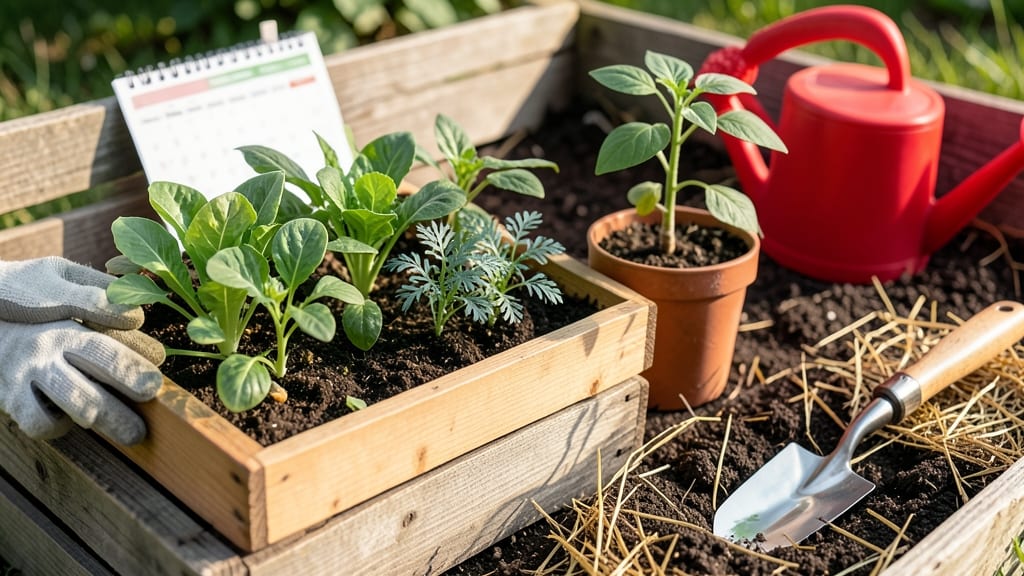
Planting a vegetable garden in California isn’t just about grabbing seeds and digging in—it’s about mastering timing to beat the state’s wild swings from coastal fog to desert heat. Get the schedule wrong, and your 🥕 could bolt, wilt, or never even sprout.
But with the right zone-specific plan, you can grow fresh produce year-round, whether you’re in frost-free coastal zones or the Central Valley’s cooler winters.
The key? Understanding California’s microclimates—where coastal areas like San Diego might handle tomatoes in January while inland zones still freeze. I’ll break down exactly when to start seeds indoors, transplant seedlings, and even extend your growing season with simple tricks.
No more guessing whether your lettuce will survive a heatwave or your peppers will rot in the fog.
You’ll discover the perfect planting windows for your region, from cool-season crops like broccoli to heat-lovers like okra. Plus, I’ll share my go-to calendar for succession planting so you’re never without fresh herbs or greens. Ready to turn your garden into a year-round harvest machine?
Let’s dive into the exact dates, tools, and hacks that’ll make your California vegetable garden thrive—no matter where you live in the state.
California planting zones explained: when to start seeds vs. transplants by region
California’s planting zones aren’t just about USDA hardiness—they’re shaped by microclimates that can vary 50 miles apart. Coastal areas like San Francisco enjoy mild winters with no frost, while the Central Valley faces harsh freezes, and desert regions like Palm Springs bake year-round.
Understanding these zones ensures you plant cool-season crops (like lettuce) at the right time and avoid heat stress in warm-season plants (like tomatoes).
Your first step? Identify your last frost date, which ranges from never in coastal zones to December–February in inland areas. For example, Sacramento typically sees its last frost around March 15, while Los Angeles rarely experiences frost at all.
Warm-season crops like tomatoes and peppers need soil temperatures above 60°F to thrive, so timing is critical.
Here’s a region-specific breakdown of when to start seeds indoors vs. transplanting outdoors, tailored to California’s most common microclimates:
For cool-season crops like lettuce, broccoli, and kale, start seeds indoors 6–8 weeks before your region’s last frost date. In coastal areas, this means sowing in August–September for a fall harvest, while Central Valley gardeners should begin in January–February.
Transplant seedlings outdoors 2–3 weeks after the last frost to give them time to establish roots before cooler weather sets in.
Warm-season crops like tomatoes, peppers, and cucumbers demand warmer soil temperatures, so wait until the soil
Best vegetables to plant by season in California (with month-by-month calendar)
California’s diverse microclimates mean your vegetable garden can thrive year-round—but timing is everything. Coastal areas enjoy mild winters, while inland zones face hot summers and occasional frost. To maximize yields, align your planting schedule with California’s four distinct seasons, adjusting for your specific region.
Whether you’re growing cool-season crops like kale or heat-loving varieties such as okra, this guide breaks down the best vegetables to plant each month, plus a downloadable calendar tailored to California’s unique growing conditions. Let’s dive into the month-by-month planting plan that’ll keep your garden productive all year!
🌱 California Seasonal Planting Guide
- Winter (Dec–Feb): Cool-season crops like kale, carrots, spinach, and broccoli. Coastal areas can plant year-round, while inland zones wait until after frost (typically late Dec).
- Spring (Mar–May): Transition to warm-season crops like peas, radishes, and green onions. Start tomatoes and peppers indoors 6–8 weeks before last frost (varies by zone).
- Summer (Jun–Aug): Plant heat-tolerant crops such as cucumbers, okra, squash, and beans. Desert regions benefit from shade cloth to prevent bolting.
- Fall (Sep–Nov): Reintroduce cool-season crops like beets, lettuce, and garlic. Coastal areas can plant until late fall, while inland zones stop by early Nov.
💡 Pro Tip: Use succession planting for fast growers like radishes or lettuce to maximize space!
For coastal California, where frost is rare, you can plant leafy greens like spinach or root vegetables such as carrots almost year-round. However, inland regions (e.g., Central Valley) must time their warm-season crops carefully to avoid heat stress.
For example, tomatoes should go in the ground after soil temps reach 60°F, typically in April–May.
In desert climates like the Coachella Valley, focus on drought-tolerant crops like zucchini, melons, and peppers. These thrive in intense heat and require less water than coastal varieties. Always check your local USDA Hardiness Zone (e.g., Zone 9–10 for deserts) to refine your schedule.
To simplify planning, download our free month-by-month calendar (link below). It includes planting windows, harvest times, and region-specific notes for California’s most productive vegetables. Whether you’re a beginner gardener or a seasoned pro, this tool will help you avoid common mistakes like planting too early or late.
Start with one season to build confidence, then expand your garden as you master the timing. With the right vegetable selection and planting schedule, you’ll enjoy a bountiful harvest from spring to fall—and even through mild winters in coastal areas! 🌿