
Vegetables
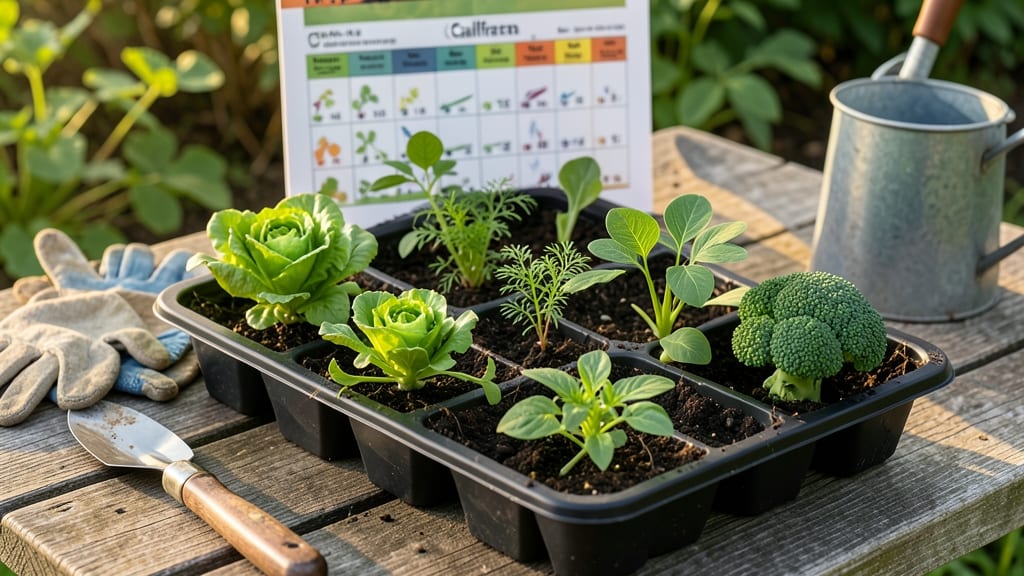
Timing your vegetable planting just right in California can mean the difference between a bountiful harvest and a sad, wilted disappointment—especially when coastal fog meets Central Valley heat.
The best time to plant isn’t one-size-fits-all, but mastering these regional rules unlocks year-round growing potential for your 🌱 tomatoes, lettuce, and carrots.
Let’s cut through the confusion: whether you’re in frost-prone Northern California or the balmy desert regions, soil temperature and frost-free windows are the real game-changers. Plant too early, and your seedlings will shiver; too late, and the summer heat will scorch them before they take root.
I’ve tested these strategies across California’s microclimates, and what works in San Francisco’s chilly springs won’t fly in Palm Springs’ early starts. Here’s exactly when to plant—plus how to stretch your growing season without risking frost damage.
Ready to turn your garden into a thriving food factory? Let’s dive into the month-by-month planting calendar** that actually works for your region.
California planting zones: frost-free dates & soil temperature requirements by region
California spans USDA hardiness zones 7 through 10, creating wildly different planting conditions from coastal San Francisco to desert Palm Springs. These zones determine your frost-free windows and soil temperature thresholds—critical for cool-season crops like lettuce versus warm-season favorites like tomatoes.
Get this wrong, and your seedlings could bolt or rot before producing.
In Northern California (zones 7-9), frost lingers until mid-March to May, while Southern California (zones 9-10) sees frost-free conditions year-round in desert areas. The key? Soil temperature—cool-season crops thrive at 40-65°F, while warm-season plants need 60-85°F to germinate.
Let’s break it down by region so you can align your planting with nature’s calendar.
Here’s a quick-reference table for California’s frost-free windows and ideal soil temps by region, including the best months to plant cool-season vs. warm-season vegetables:
For cool-season crops like lettuce or broccoli, aim to plant when soil temperatures hover around 40-65°F. In Northern California, this means February to April, while Southern California can start as early as September.
Use a soil thermometer to check—if temps dip below 40°F, growth stalls.
Warm-season plants like tomatoes and peppers demand soil temps above 60°F to germinate. In cooler regions (zones 7-9), wait until late May, but desert zones (10+) can plant year-round. Pro tip: Black plastic mulch warms soil faster in spring, accelerating germination by 1-2 weeks.
One common mistake? Planting heat-sensitive crops too early in inland valleys. For example, spinach bolted in Sacramento’s 90°F summers—stick to shade cloth or fall planting instead. Conversely, coastal fog zones can extend warm-season growth into October with row covers.
To visualize your region’s frost risks, use the USDA Plant Hardiness Map and overlay local weather station data. For instance, San Francisco’s fog delays last frost until May 15, while Bakersfield’s Central Valley sees frost-free conditions by January 10.
Adjust your schedule accordingly—succession planting every 2-3 weeks ensures continuous harvests.
Need a quick rule of thumb? Cool-season crops thrive in spring and fall, while warm-season crops dominate summer. But remember: Southern California’s mild winters let you grow cool-season greens year-round, while Northern California’s summers may require shade cloth for heat-sensitive plants like cucumbers.
Start with a soil temperature gauge ($15
Best vegetables to plant by month in California (month-by-month guide)
California’s three distinct growing regions—coastal, Central Valley, and desert—each demand unique planting schedules.
In coastal areas like San Francisco, you can plant cool-season crops like lettuce and peas as early as February, while desert regions like Palm Springs wait until March or April for soil to warm.
The Central Valley falls somewhere in between, offering a longer frost-free window for warm-season crops like tomatoes and peppers.
Timing is everything: Planting heat-sensitive crops like basil or cucumbers too early in inland areas risks bolting or poor yields. Meanwhile, cool-season crops planted too late in coastal regions may bolt before harvest.
Use these month-by-month guidelines to align your planting with your region’s unique climate patterns and avoid common mistakes.
- 1 January-February (Coastal Only): Plant cool-season crops like lettuce, spinach, and peas. Avoid planting warm-season crops—soil is still too cold.
- 2 March-April (All Regions): Start warm-season crops like tomatoes, peppers, and beans once soil reaches 60°F+. Coastal areas can plant earlier; desert regions wait until late April.
- 3 May-June (Central Valley & Desert): Peak planting for heat-loving crops like okra, sweet potatoes, and melons. Coastal gardeners can still plant quick-maturing varieties like bush beans.
- 4 July-August (Succession Planting): Sow fast-growing crops like radishes, lettuce, and carrots for fall harvests. Use shade cloth in desert regions to protect seedlings from intense heat.
- 5 September-October (Fall Planting): Ideal for cool-season crops like broccoli, cabbage, and kale. Desert regions can plant hardy greens like arugula and Swiss chard.
- 6 November (Coastal Only): Plant winter crops like garlic and onions for spring harvests. Avoid planting in desert regions—frost risk is low, but growth slows dramatically.
Herbs like basil and cilantro thrive in spring and fall across all regions, while rosemary and thyme can be planted year-round in desert climates. Always check soil temperature before planting: Use a soil thermometer to confirm 50°F+ for cool-season crops and 60°F+ for warm-season varieties.
Pro tip: In coastal fog zones, extend your growing season by planting warm-season crops like tomatoes in late winter under row covers. Inland gardeners should wait until May to avoid bolting or blossom-end rot in tomatoes.
Adjust your schedule based on microclimates—a north-facing slope may frost later than the rest of your garden.
Start with these region-specific guidelines, and don’t forget to succession plant every 2-3 weeks for continuous harvests. With the right timing, you can enjoy fresh homegrown vegetables nearly year-round in California’s diverse climate.