
Planting
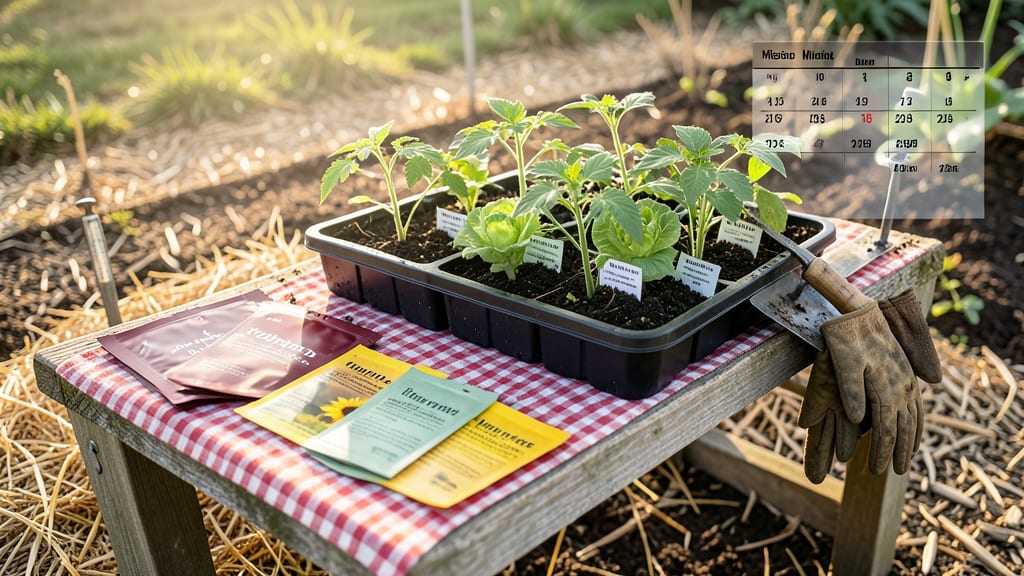
Timing your vegetable garden planting in Missouri can mean the difference between a thriving harvest and a sad, wilted disappointment. With USDA zones 5b-7a and unpredictable weather patterns, knowing exactly when to plant your 🌱 vegetable garden is the key to success.
Missouri’s last frost typically hits around April 15, but that date can shift dramatically depending on whether you're in St. Louis or Kansas City.
Cool-season crops like lettuce and peas need to go in the ground 4-6 weeks before that final frost, while warm-season favorites like tomatoes and beans should wait until 2-3 weeks after the danger has passed.
This guide will walk you through the exact planting windows for your region, plus pro tips for extending your growing season. Whether you're a first-time gardener or a seasoned pro, getting these deadlines right will set you up for a garden that produces like crazy.
Let’s dive into the best times to plant your Missouri vegetable garden—so you can enjoy fresh, homegrown food all season long.
Missouri planting zones and their ideal vegetable planting deadlines
Missouri spans USDA Hardiness Zones 5a through 6b, meaning your planting deadlines can shift by weeks depending on where you live.
In northern Missouri (5a/5b), like St. Louis County, the last frost typically arrives around April 15, while southern Missouri (6a/6b), including Springfield and Cape Girardeau, sees frost-free conditions by March 25. These differences matter for timing cool-season crops like lettuce and warm-season crops like tomatoes.
Urban areas like Kansas City and Columbia often experience earlier last frosts due to the "urban heat island" effect, while rural farmland may see later frosts in sheltered valleys.
Always check your local extension office for precise frost dates—your 5-mile difference could mean the difference between a thriving garden and a failed crop.
Cool-season vegetables like spinach, peas, and broccoli should be planted 4-6 weeks before your last frost date. In Zone 5a, that means mid-March, while Zone 6b gardeners can start in late February.
Warm-season crops like tomatoes, peppers, and beans need to wait until 2-3 weeks after last frost, which translates to mid-April in Zone 5a and early April in Zone 6b.
Here’s how Missouri’s planting zones break down for your key vegetables, including last-frost dates and ideal planting windows:
For tomatoes, a warm-season staple, plant seeds indoors 6-8 weeks before your last frost date. In Zone 5a, that’s February 15, while Zone 6b gardeners can start January 25.
Transplant seedlings outdoors 2-3 weeks after last frost, using black plastic mulch to warm the soil faster in cooler zones.
Missouri’s fall planting is just as critical as spring. Cool-season crops like kale and Brussels sprouts thrive when planted 60-75 days before first frost. In Zone 5a, that means late July, while Zone 6b can extend planting until early August.
Use row covers to protect tender greens from early frosts and extend harvests into November.
Adjust for microclimates—urban gardens in St. Louis may stay 5°F warmer than rural areas, while valleys in the Ozarks can hold frost longer. Monitor local weather forecasts and use frost-sensitive plants like basil or cucumbers as natural frost indicators.
If their leaves wilt overnight, frost is coming within 24 hours.
Pro tip: Succession planting every 2-3 weeks ensures a steady harvest. For example, in Zone 5b, plant lettuce every 10 days from March 15 to June 1 to avoid bolting in summer heat. This strategy works for radishes, bush beans, and carrots too.
Missouri’s short growing season (about 150-200 frost-free days) demands smart planning. Prioritize fast-maturing varieties
How to extend your Missouri growing season for earlier and later harvests
Missouri’s short growing season—typically 150-200 frost-free days—can feel like a race against time. But with the right strategies, you can push your harvests earlier in spring and later into fall.
I’ve tested these methods in my own garden, and they’ve added 4-6 weeks to my growing window without relying on a greenhouse.
Start by focusing on season extension tools like frost cloths and cold frames, which protect tender plants from late spring frosts and early fall chills. Pair these with succession planting—sowing new seeds every 2-3 weeks—to keep your garden productive all season long.
Heat-tolerant varieties also play a key role, especially during Missouri’s hot, humid summers.
Here’s my step-by-step guide to maximizing your harvests, from indoor seed starting to late-season protection:
- 1 Start seeds indoors 6-8 weeks before last frost (typically by March 1). Use heat mats for warm-season crops like tomatoes and peppers to speed up germination.
- 2 Hardening off seedlings 1-2 weeks before transplanting by placing them outdoors in partial shade for increasing durations. This builds resilience against Missouri’s temperature swings.
- 3 Use frost cloths to protect cool-season crops like lettuce and spinach until May 15, or cover tender plants like basil and cucumbers in late September to extend harvests.
- 4 Plant heat-tolerant varieties like ‘Heatmaster’ tomatoes or ‘Malabar spinach’, which thrive in Missouri’s 90°F+ summers. These varieties continue producing when other plants bolt or wilt.
- 5 Succession plant fast growers every 2 weeks—think radishes, bush beans, and lettuce—to ensure a continuous harvest. This keeps your garden productive even as older plants mature.
- 6 Use cold frames or low tunnels to extend fall harvests. Place them over kale, carrots, or Brussels sprouts by September 1 to capture 2-3 extra months of growth before winter sets in.
Don’t overlook mulching as a simple but effective tool. A thick layer of straw or wood chips insulates soil, keeping it 5-10°F warmer in spring and cooler in summer. This helps seedlings establish faster and protects roots during Missouri’s unpredictable weather swings.
For late-season harvests, prioritize cold-hardy crops like broccoli, cabbage, and peas. These can often survive light frosts and even produce sweeter flavors after a light freeze. I’ve harvested broccoli well into December using row covers and a simple cold frame.
Finally, keep a planting journal to track what works best in your specific microclimate. Note which varieties thrive, when you planted, and how long your season truly lasts. Over time, you’ll refine your strategy to outsmart Missouri’s climate and enjoy fresh produce for months longer than the average gardener. 🌱