
Planting
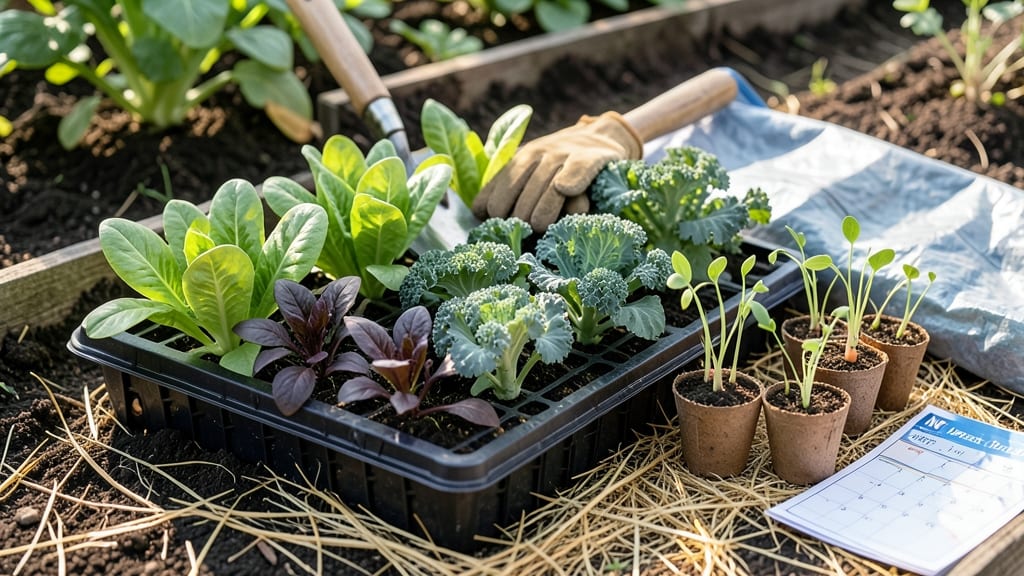
When to plant a vegetable garden in NJ can feel like a high-stakes game of chance—one wrong move, and frost ruins your 🌱 dreams before they even begin. But here’s the secret: New Jersey’s planting windows aren’t one-size-fits-all. Whether you’re in the cooler hills of the north or the milder coastal plains, knowing your last frost date and soil temps is the difference between a thriving harvest and a sad, wilted disappointment.
I’ve spent years tracking NJ’s unpredictable weather patterns, and what I’ve learned will save you from guessing. From early spring peas to late-summer tomatoes, the right timing means the difference between a garden that feeds your family and one that barely survives.
Let’s break down exactly when to plant—so you can stop second-guessing and start growing.
Most gardeners in NJ make one critical mistake: they plant too early or too late, betting on averages instead of their specific zone. Coastal areas like Cape May have earlier frost-free windows than inland spots near Newark, and those microclimates matter.
I’ll show you how to adjust your schedule based on where you live, so your 🌱 garden thrives no matter the corner of the state.
Ready to turn your garden into a year-round success? We’ll cover frost dates, soil prep, and even how to stretch your growing season with simple tricks. By the end, you’ll know exactly when to dig in—and what to plant for a harvest that lasts from summer through fall.
NJ frost dates & soil temperature guidelines for planting vegetables
New Jersey's frost dates and soil temperatures vary dramatically between North and South regions, making timing everything for a successful vegetable garden.
The average last frost date in North Jersey (like Bergen County) typically arrives around May 15, while South Jersey (like Cape May) can see frost-free conditions as early as April 15. These differences impact cool-season crops like broccoli and warm-season crops like tomatoes.
Soil temperature is equally critical—most vegetable seeds won’t germinate until the soil reaches 40°F for peas or 60°F+ for tomatoes. Using a soil thermometer ($10 at garden centers) ensures you plant at the perfect moment.
In my Central Jersey garden, I’ve learned that late-May plantings of warm-season crops often fail if the soil hasn’t warmed enough.
Here’s the summary table breaking down NJ frost dates, ideal soil temps, and planting windows for both cool- and warm-season vegetables:
For cool-season crops, like broccoli or spinach, I plant seeds as soon as the soil hits 40°F—often in March for South Jersey or April for North Jersey.
These plants thrive in cooler temperatures and can even handle light frosts. In my 2022 garden, I planted kale on March 10 in Central NJ and harvested until December!
Warm-season crops, such as tomatoes and peppers, demand warmer soil—wait until the ground reaches 60°F+ before planting. In North Jersey, this usually means late May or early June.
For late starts, opt for heat-tolerant varieties like ‘Heatmaster’ tomatoes or ‘Jalapeño M’ peppers, which perform well even when soil temps hover around 75°F.
If you’re in South Jersey and want to push the envelope, try early plantings of sweet potatoes in late April—they’ll thrive in the warmer coastal soils. Just cover young plants with frost cloth if a late frost sneaks in.
I’ve had success with ‘Beauregard’ sweet potatoes planted in early May in Cape May County, yielding harvests by July 4th.
For succession planting, I recommend sowing bush beans every 2 weeks from May to July in Central NJ. This ensures a continuous harvest and maximizes your garden’s potential.
The key is monitoring soil moisture—beans need consistent watering but hate soggy roots. Use a moisture meter ($15) to check before watering.
Don’t forget about fall plantings! In North Jersey, you can still direct-sow spinach or radishes as late as August 15, while South Jersey gardeners can extend this to September 15.
The goal is to harvest before the first frost, so time it right. I’ve had luck with ‘Cherry Belle’ radishes planted in late August—they’re ready in just 25 days!
To track local frost dates
Best vegetables to plant in NJ by month (with regional adjustments)
New Jersey’s three distinct regions—North, Central, and South—each have unique frost dates and microclimates that dictate your planting schedule.
For example, North Jersey (like Bergen County) often sees its last frost around April 15, while South Jersey (like Cape May) can start planting 2-3 weeks earlier. Understanding these differences helps you avoid frost damage to tender crops like tomatoes or peppers.
To maximize your harvest, focus on cold-hardy crops in early spring (think kale, peas, and spinach) and heat-loving varieties in late summer (like okra and sweet potatoes).
Succession planting—sowing seeds every 2-3 weeks—ensures a steady supply of lettuce, radishes, or bush beans all season long.
Below is a region-specific planting guide for NJ, organized by month. Use this to align your garden with local conditions—whether you’re in cooler coastal areas or warmer inland zones.
Pro tip: Always check soil temperature with a thermometer (aim for 40°F for cool crops and 60°F+ for warm crops).
For North Jersey, prioritize cool-season crops like kale and peas in early spring, then shift to tomatoes and peppers after May 15. In Central