
Planting
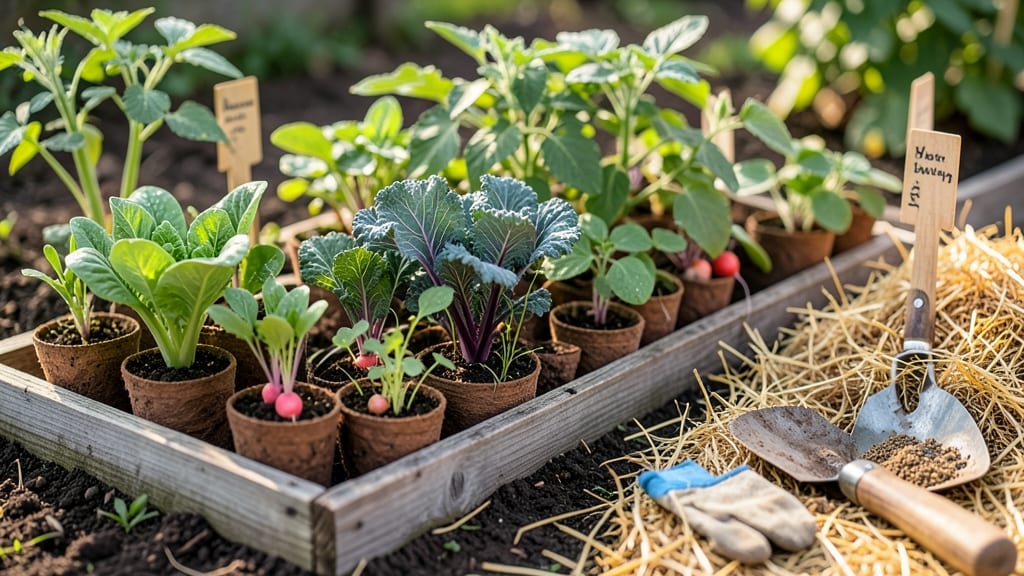
Planting your vegetable garden at the right time in New Brunswick can make all the difference between a thriving harvest and a sad pile of wilted seeds. With frost dates that vary dramatically across regions like Fredericton and Saint John, timing isn't just important—it's the key to success.
I've learned the hard way that waiting too long or planting too early can leave your 🌱 garden vulnerable to unpredictable weather. Whether you're growing cool-season greens or heat-loving tomatoes, knowing when to put seeds in the ground gives you the best shot at a bountiful yield.
In this guide, I'll break down exactly when to start planting in spring and fall based on local frost-free dates. You'll discover how to adjust for microclimates, prepare your soil for New Brunswick's varied conditions, and avoid common mistakes that waste time and resources.
Let's get your garden growing on the right schedule—so you can enjoy fresh vegetables all season long without the guesswork. Ready to dig in?
New Brunswick frost dates and ideal planting windows for spring vegetables
New Brunswick's variable frost dates can make spring gardening tricky, but understanding your region's patterns helps you plan for successful vegetable growth. The province typically experiences its last spring frost between late April and early June, depending on location.
For gardeners in Fredericton, the average last frost date is around May 15, while coastal areas like Saint John tend to warm up slightly earlier, around May 1.
Inland regions like Moncton often see their last frost closer to May 10, with cooler microclimates pushing this date even later.
Knowing these dates helps you decide when to plant cool-season crops like peas, lettuce, and spinach, which can handle light frosts, versus warm-season vegetables such as tomatoes, peppers, and cucumbers, which need consistent warmth.
Planting too early can result in frost damage, while waiting too long may shorten your growing season. Using a frost-free date calculator or local weather reports can help you fine-tune your schedule for optimal results.
Here’s a region-specific breakdown of frost dates and planting windows to help you plan your spring vegetable garden effectively:
For cool-season vegetables, such as peas, radishes, and lettuce, you can start sowing seeds as early as April, even if there’s still a chance of frost. These hardy crops thrive in cooler temperatures and can often tolerate light frosts without damage.
In fact, some varieties, like spinach and kale, may even taste sweeter after a light frost. To protect tender seedlings, consider using frost cloths or row covers until the threat of frost has passed.
Warm-season vegetables, on the other hand, require soil temperatures of at least 50°F (10°C) to germinate properly. Tomatoes, peppers, and cucumbers should only be planted after your region’s last frost date has passed. In New Brunswick, this typically falls between late May and early June, depending on your location.
To give these plants a head start, you can begin sowing seeds indoors 6-8 weeks before the last frost date. This way, you’ll have sturdy seedlings ready to transplant once the ground has warmed up.
One common mistake gardeners make is planting warm-season crops too early, only to have them wilt from frost. To avoid this, always check the 10-day forecast before transplanting seedlings outdoors. If frost is predicted, delay planting or use protective measures like cloches or row covers to shield your plants.
Another tip is to plant fast-maturing varieties of warm-season crops, such as bush beans or cherry tomatoes, to maximize your harvest before the first frost of fall.
Soil preparation is another critical factor in determining your planting window. New Brunswick’s soils can vary widely, from clay-heavy in some areas to sandy in others. To ensure your plants thrive, test your soil’s pH and nutrient levels in early spring.
Most vegetables prefer a pH between 6.0 and 7.0. Amend your soil with compost or aged manure to improve its structure and fertility. If your soil is slow to warm in spring, consider using black plastic mulch to raise the soil temperature and speed up germination.
Finally, keep in mind that microclimates can significantly affect frost dates and planting times. Urban areas, for example, may experience slightly warmer temperatures due to the heat island effect, while shaded or low-lying spots can stay cooler longer.
Pay attention to how your specific garden area performs over time, and adjust your planting schedule accordingly. With a little planning and flexibility, you can enjoy a productive vegetable garden all season long in New Brunswick.
By aligning your planting schedule with your region’s frost dates and soil conditions, you’ll set your garden up for success from the start. Happy gardening! 🌱
Best fall vegetables to plant in New Brunswick before first frost
As the summer heat fades and New Brunswick's first frost approaches, fall planting offers a second chance for gardeners to enjoy fresh produce. The key is selecting cold-hardy vegetables that thrive in cooler temperatures and can withstand light frosts.
In New Brunswick, where average first frost dates range from mid-October in coastal areas to late September inland, timing is everything for a successful fall harvest.
Fall planting isn't just about extending your harvest—it's about maximizing your garden's potential. Many cool-season vegetables actually taste sweeter after exposure to frost, like kale and carrots.
By planting these hardy crops 8-12 weeks before your expected first frost, you'll have time for them to mature before winter sets in. This strategy works particularly well in New Brunswick's Zone 4b to 5b climate, where winters are cold but growing seasons can be productive with proper planning.
For New Brunswick gardeners, succession planting is a game-changer in fall gardens. Instead of planting all your seeds at once, stagger your plantings every 2-3 weeks to ensure a continuous harvest. This works especially well with fast-maturing crops like radishes (25-30 days) and bush beans (50-60 days).
By the time your first planting matures, the next batch is ready to harvest, keeping your kitchen stocked well into autumn.
Don't overlook soil preparation for fall planting. Before sowing seeds, enrich your soil with compost or well-rotted manure to provide nutrients for root development. Test your soil's pH—most fall vegetables prefer a slightly acidic to neutral range (6.0-7.0).
In New Brunswick's clay-heavy soils, consider adding sand or peat moss to improve drainage, which is critical for root crops like carrots and beets.
Protect your fall crops from early frosts with simple but effective techniques. Use row covers or lightweight blankets to shield plants from temperatures below -2°C (28°F). For more delicate crops, like brussels sprouts, consider using a cold frame to extend the growing season by 4-6 weeks.
Even a simple cloche made from plastic bottles can make a difference in protecting young seedlings from unexpected cold snaps.
Remember, New Brunswick's microclimates can vary significantly—coastal areas like Saint John may have 2-3 weeks later frost dates than inland regions. Always check local weather forecasts and adjust your planting schedule accordingly.
With the right fall vegetables and proper timing, you can enjoy fresh produce well into winter, even in New Brunswick's chilly climate. 🌱