
Planting
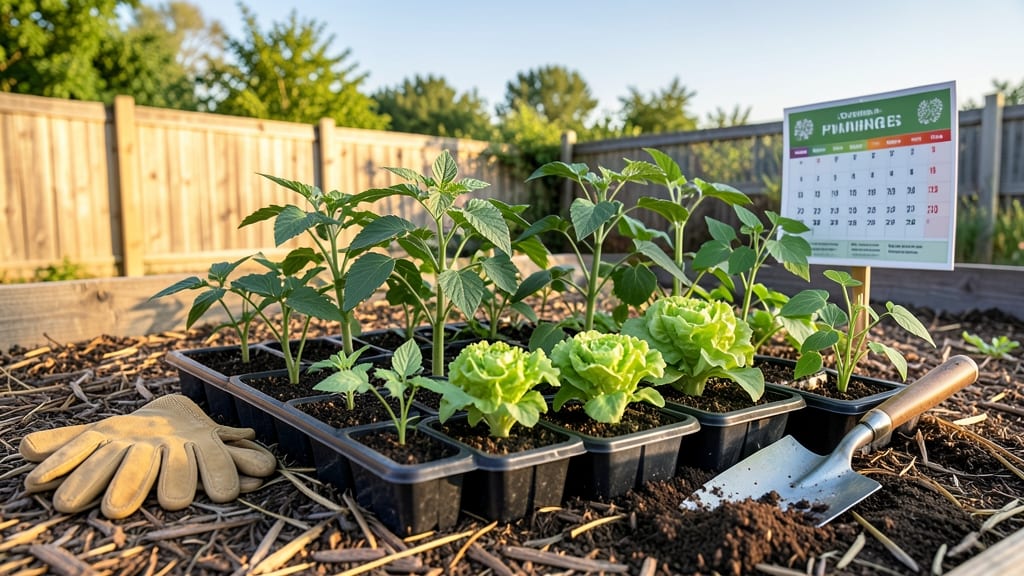
Timing when to plant a vegetable garden in Oklahoma isn’t just about following a calendar—it’s about outsmarting the state’s wild swings from frost to 100-degree heat. Plant too soon, and a late freeze wipes out your seedlings; too late, and summer’s relentless sun turns your tomatoes into sunscald victims.
The key? Knowing exactly when to sow each crop for a bountiful harvest, whether you’re in the Panhandle’s cooler zones or southeastern Oklahoma’s humid stretches.
Most Oklahoma gardeners swear by the late winter to early spring window (March-April) for cool-season crops like broccoli and peas, but warm-season favorites such as peppers and squash need to wait until after the last frost—usually mid-April in most of the state.
That said, even the pros adjust their schedules based on microclimates: Tulsa’s urban heat islands might call for a later start than rural areas.
Here’s the game-changer: a two-season strategy that maximizes your garden’s potential. Spring planting sets you up for early harvests, while fall planting (August-September) lets you squeeze in a second round of greens and root veggies before the first frost.
I’ll break down the exact timing for every major crop, plus how to handle Oklahoma’s unpredictable weather—because even the best-laid plans need backup strategies.
Ready to turn your backyard into a productive 🥬 vegetable garden? Let’s dive into the science-backed schedule that’ll help you avoid common mistakes and enjoy fresh produce from April through October—no matter where you are in the state.
Oklahoma vegetable planting calendar: cold-hardy crops vs warm-season timing
Oklahoma’s USDA zones 6b-8a create a unique gardening challenge where cold-hardy crops like kale and peas thrive in early spring, while warm-season vegetables like tomatoes and peppers need to wait until after the last frost.
The average last frost date ranges from February 15 in southern Oklahoma to March 15 in northern regions, but microclimates—like Oklahoma City’s urban heat islands—can shift these dates by weeks. Understanding these differences ensures your garden avoids frost damage or heat stress.
For cold-hardy vegetables, timing starts as early as February in southern Oklahoma and March in northern areas. These crops, including spinach, peas, and broccoli, can tolerate light frosts and even grow well when soil temperatures reach 40°F.
Meanwhile, warm-season vegetables like tomatoes, peppers, and cucumbers should only go into the ground after soil temperatures consistently stay above 60°F, typically April 15–May 1, depending on your location.
Here’s a quick reference for Oklahoma’s planting zones and how they impact your schedule:
In southern Oklahoma (USDA Zone 8a), where winters are milder, you can start cold-hardy crops like spinach as early as February 1
How to adjust planting dates for Oklahoma’s unpredictable weather patterns
Oklahoma’s weather can throw curveballs—one day it’s 50°F with frost warnings, the next it’s 90°F and drought-like. These swings force gardeners to adapt planting dates or risk losing their hard work. The key is balancing frost dates, heat tolerance, and soil warmth to protect your plants from stress.
For example, if your last frost typically hits March 15 but you’ve seen late frosts in April, you’ll need to adjust your warm-season crops accordingly.
Instead of following a rigid calendar, I use a risk assessment approach. Start by checking your local USDA zone (Oklahoma ranges from 6b to 8a) and average frost dates, then factor in recent weather patterns.
If your area has had late frosts the past few years, delay planting tomatoes or peppers until after May 1 to avoid blossom drop. Conversely, if you’re in a warmer microclimate, like the Ardmore area, you might plant earlier.
⚠️ callout warning ⚠️
Even if your last frost is March 15, don’t plant warm-season crops like cucumbers or squash until two weeks after the average date. Use a row cover for extra protection if you’re eager to start earlier. For cool-season crops, like spinach or kale, plant 4-6 weeks before the last frost—just be ready to shield them with frost cloth if temperatures dip below 28°F.
Pro Tip: Monitor the National Weather Service or OSU Extension for 10-day forecasts before planting heat-sensitive crops.
One of my go-to strategies is succession planting, which lets me extend harvests and reduce risks. For instance, I plant bush beans in April for a June harvest, then follow up with another round in July to avoid the peak summer heat.
This works especially well for fast-growing crops like radishes or lettuce, which mature in 30-45 days. If a late frost hits, I simply replant instead of losing the entire crop.
For heat-sensitive plants, like tomatoes or peppers, I rely on heat-tolerant varieties and shade cloth. Varieties like ‘Celebrity’ tomatoes or ‘Jupiter’ peppers handle Oklahoma’s summer heat better than standard types.
Pair them with drip irrigation and mulch to keep roots cool. If you’re planting in late spring, water deeply every 2-3 days to prevent blossom end rot in tomatoes.
Don’t overlook fall planting as a backup plan. Many cool-season crops, like broccoli or carrots, thrive when planted in August for a fall harvest before the first frost.
This gives you a second chance if your spring crops underperform. Just be sure to use row covers in October to extend the season.
Finally, keep a planting journal to track what works in your specific microclimate. Note when you planted, any weather anomalies, and how your crops performed. Over time, you’ll spot patterns—like if your tomatoes always struggle when planted before May 15—and adjust accordingly.
With these strategies, you’ll turn Oklahoma’s unpredictable weather into an advantage, not a setback.