
Planting
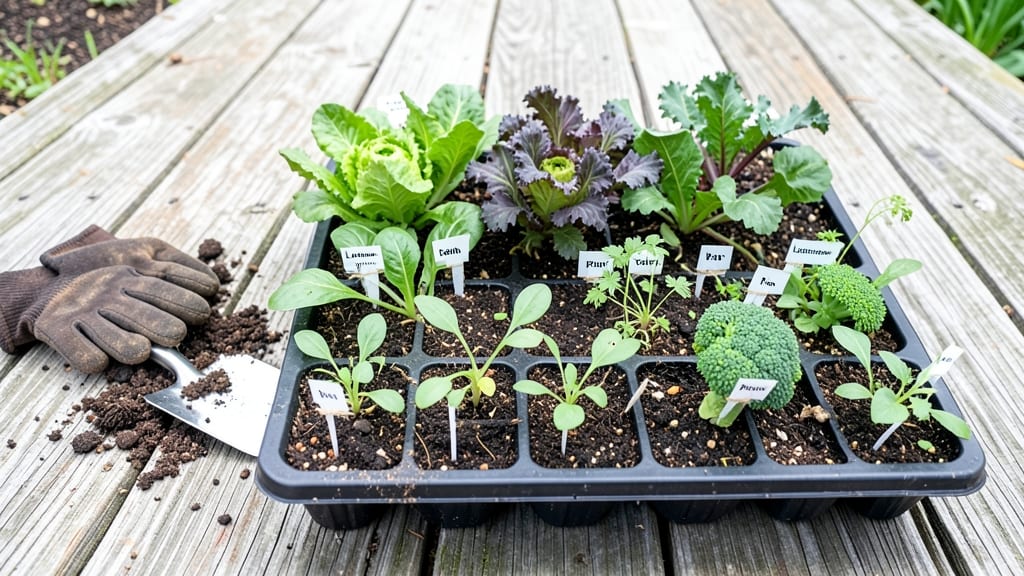
Timing when to plant a vegetable garden in Seattle isn’t just about following a calendar—it’s about outsmarting the rain, the chilly springs, and those unpredictable summer heatwaves that can turn your seeds into sad little sprouts.
Plant too early, and frost will nip your dreams in the bud; too late, and you’ll miss the sweet spot for a harvest before the first frost in October.
But here’s the good news: Seattle’s Zone 8a climate actually gives you two prime planting windows—spring and fall—where even heat-loving crops like tomatoes can thrive with the right strategy.
Whether you’re a first-time gardener or a seasoned green thumb, knowing when to start seeds indoors, transplant seedlings, and stretch your growing season with row covers can mean the difference between a bountiful harvest and a few sad wilted leaves.
I’ve spent years testing what works in Seattle’s unique microclimates, from the rain-soaked west side to the drier east side. The key?
Start cool-season crops like peas and spinach 4–6 weeks before your last frost (around mid-April), while warm-season veggies like peppers and cucumbers need to wait until 2–3 weeks after—usually late May or early June. And if you’re dreaming of fresh greens in winter?
Fall planting is your secret weapon.
Ready to turn your Seattle garden into a year-round feast? Let’s break down the exact months to plant, how to protect your crops from the quirks of our climate, and the simple tricks to extend your harvest well past the first frost. Your future self—and your taste buds—will thank you.
Seattle’s best planting calendar: month-by-month guide for cold-hardy vegetables
Seattle’s cool maritime climate lets you grow cold-hardy vegetables year-round with the right timing. Unlike hotter regions, spring and fall are your prime windows for frost-tolerant crops like spinach, kale, and broccoli.
The key? Planting 4-6 weeks before the last frost (typically April 15) and again late July to mid-August for fall harvests.
Microclimates matter in Seattle—urban areas stay 2-5°F warmer than rural spots. Use this as your guide: West Seattle gets more rain, while Eastside areas dry out faster. Adjust watering and mulching accordingly to protect roots during winter rains or summer droughts.
Soil temperature is critical. Most cool-season crops need soil at 40-50°F to germinate. Test with a soil thermometer—if it’s colder, wait or use row covers to warm the soil faster. Peas and lettuce can handle 32°F soil temps, while broccoli needs at least 45°F.
Here’s your month-by-month breakdown for frost-tolerant crops, including last-frost dates and soil temperature thresholds:
For urban gardeners, microclimates can shift planting windows by 2-3 weeks. If your yard is south-facing, you can plant 2 weeks earlier than the calendar suggests.
Conversely, shady spots may need row covers to extend the season. Always check soil moisture—Seattle’s consistent rain can lead to waterlogged soil, which stunts root growth.
Pro tip: Succession planting works wonders in Seattle. Sow lettuce every 2 weeks from March to August for a continuous harvest. Similarly, radishes mature in just 25 days, making them perfect for filling gaps.
Use biodegradable pots to transplant seedlings without disturbing roots, a game-changer for delicate greens like arugula.
Don’t overlook fall planting. After Labor Day, focus on cold-hardy crops like kale and Brussels sprouts, which sweeten after frost. Mulch heavily with straw or leaves to insulate roots during temperature swings.
If you’re in Zone 8a, you can even squeeze in a winter harvest of spinach and peas under
Heat-loving crops in Seattle: how to extend the season for tomatoes, peppers, and more
Seattle’s short growing season and cool summers make it tricky to grow tomatoes, peppers, and cucumbers, but with the right strategies, you can still enjoy a bountiful harvest. These heat-loving crops thrive in temperatures above 60°F and need at least 6–8 hours of sunlight daily.
The key is to extend your season using techniques like succession planting, row covers, and container gardening.
Start by choosing fast-maturing varieties like cherry tomatoes or bush beans, which can produce fruit in as little as 50–60 days. Even with Seattle’s first frost around October 15, you can push your harvest window by 2–3 weeks using protective measures.
For example, tomatoes planted in late May or early June can still yield fruit well into September if given extra warmth and shelter.
- 1 Start Indoors Early: Begin tomato and pepper seeds indoors 6–8 weeks before the last frost (mid-March). Use grow lights to ensure 14–16 hours of light daily. Harden off seedlings 1–2 weeks before transplanting outdoors (late May).
- 2 Use Row Covers or Cold Frames: Protect young plants with floating row covers or low tunnels to raise soil temperatures by 5–10°F. Remove covers during daytime warmth and replace them at night to prevent chilling injury. This extends the growing season by 3–4 weeks on either end.
- 3 Try Container Gardening: Grow peppers and cucumbers in 5-gallon containers or larger. Move pots to sheltered spots (like patios or greenhouses) during cool nights. Containers warm up faster in the sun and can be easily relocated to avoid frost pockets.
- 4 Succession Planting: Sow fast-growing crops like bush beans or radishes every 2 weeks from June to August. This ensures a continuous harvest and maximizes your garden’s productivity. Pair tomatoes with basil to improve flavor and deter pests.
- 5 Choose Heat-Tolerant Varieties: Opt for determinate tomatoes (like 'Roma' or 'Celebrity') for bushier growth and earlier fruiting. For peppers, select 'Jalapeño' or 'Bell Pepper' varieties, which handle Seattle’s mild heat better than tropical types. Cucumbers like 'Straight Eight' thrive in containers.
Another trick is to mulch heavily with straw or black plastic to insulate soil and keep roots warm. This method can add 5–8°F to soil temperatures, giving your plants a head start in spring and a longer harvest window in fall.
For peppers, which are especially sensitive to cool temperatures, consider using black plastic mulch to warm the soil before planting.
Don’t forget to prune strategically to focus energy on fruit production. Remove suckers from tomatoes and side shoots from cucumbers to improve airflow and reduce disease risk.
In Seattle’s humid climate, fungal diseases like early blight can be a problem, so space plants properly and water at the base to keep foliage dry.
With these techniques, you can extend your growing season and enjoy homegrown tomatoes, peppers, and cucumbers well into late September or October. Even if your plants don’t produce as much as in a warmer climate, the flavor and satisfaction of a homegrown harvest make it worth the effort! 🌱☀️