
Plants
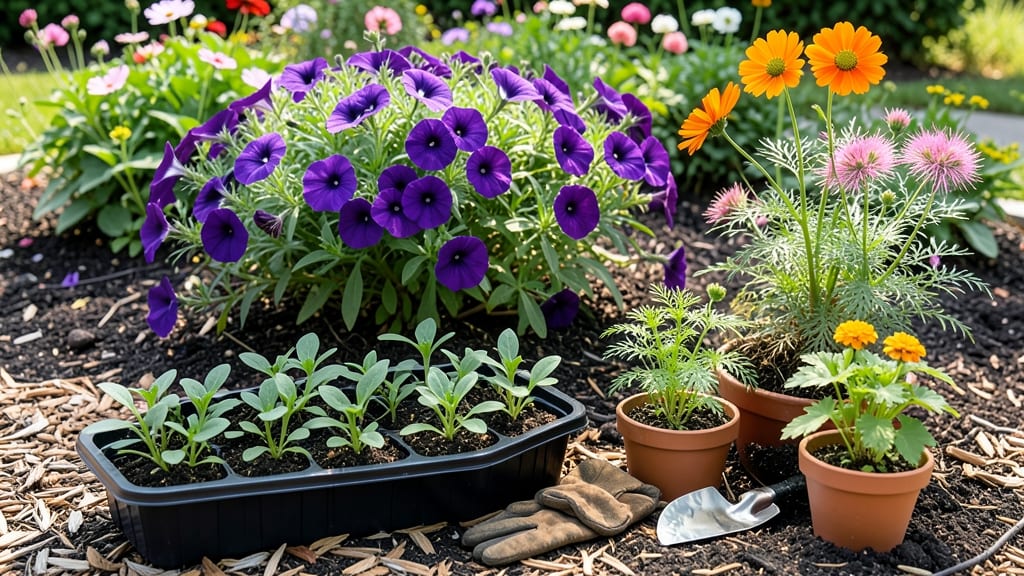
Planting annuals in Wisconsin isn’t just about grabbing seeds and sticking them in the ground—it’s about timing them perfectly to beat the unpredictable frost that can turn your dreams of vibrant blooms into a sad, icy memory.
The last-frost dates across the state vary wildly, from early May in Milwaukee to late May in the Northwoods, and getting it wrong means either frozen seedlings or missed summer color.
I’ve spent years watching my garden thrive (and occasionally wilt) in Wisconsin’s ever-changing climate, and the key to success isn’t guessing—it’s knowing your region’s frost patterns.
Whether you’re in the warm pockets of Madison or the cooler hills of the Driftless Area, the right planting window makes all the difference for annuals like petunias, marigolds, and impatiens.
What if you could extend that window to squeeze in more blooms? I’ll show you how to use cold-hardy annuals, frost cloth, and even microclimates to push your planting earlier or later without risking your plants.
No more waiting until it’s “safe” when the real magic happens in those few weeks between frost and peak summer heat.
Ready to turn your Wisconsin garden into a nonstop parade of color? Let’s dive into the exact dates, regional tricks, and foolproof strategies to make sure your annuals take root—and stay rooted—until the first hard frost. Your future self (and your bees) will thank you.
Wisconsin’s last-frost dates by region: key planting windows for annuals
Wisconsin’s five distinct climate zones create wildly different last-frost dates, which means your annual planting schedule should vary from Madison to the Northwoods. Frost-sensitive plants like petunias and impatiens need precise timing to thrive, while hardier varieties like marigolds offer more flexibility.
Understanding your region’s frost patterns helps you avoid late-spring freezes that can devastate tender seedlings.
Historical data shows Wisconsin’s last-frost dates can vary by 2-3 weeks between regions, with the Northwest typically seeing frost until May 20-30, while the Southeast may warm up by April 25-May 5.
These variations make regional planning essential. For example, planting zinnia seeds in early May in Milwaukee might be safe, but the same timing in Eau Claire could still risk frost damage.
Here’s how to use this guide: First, identify your Wisconsin climate zone using the table below. Then, align your annual planting dates with the last-frost averages for your area.
Wait 2-3 weeks after the last expected frost before planting frost-sensitive annuals, while hardier varieties can go in sooner. Always monitor local weather forecasts for late-season cold snaps.
🌱
If you’re in the Northwest, wait until June 1 to plant tender annuals like impatiens, as late frosts are common. Meanwhile, Southeast Wisconsin gardeners can start frost-sensitive plants as early as mid-May. Always check local frost records—some years, the last frost arrives weeks later than average
How to extend your planting season in Wisconsin: cold-hardy annuals and frost protection tips
Wisconsin’s short growing season doesn’t mean you’re stuck with bare soil for months. By choosing cold-hardy annuals and using smart frost protection, you can enjoy blooms from spring to fall—even in the Northwoods. The key is leveraging microclimates and frost-resistant varieties that thrive when others falter.
Many gardeners assume annuals like petunias or geraniums can’t survive Wisconsin’s late spring frosts, but that’s not always true. Pansies, snapdragons, and sweet peas are just a few cold-tolerant annuals that can handle light frosts and even bloom in April or October with proper care.
Here’s the trade-off between planting early with frost protection versus waiting for warmer soil:
Planting Early with Frost Protection
✅ Pros
- Longer bloom time: Enjoy flowers weeks earlier than standard planting.
- Fewer pests: Early blooms attract pollinators before aphids and beetles peak.
- Microclimate leverage: South-facing beds or urban heat islands warm faster.
❌ Cons
- Higher risk: Frost cloth can fail if temps drop below 25°F.
- Moisture challenges: Cold soil slows root growth, increasing drought stress.
- Time investment: Requires monitoring and adjustments (e.g., row covers at night).
Waiting for Warmer Soil
✅ Pros
- Lower risk: Soil at 50°F+ ensures faster germination.
- Less maintenance: No need for frost cloth or row covers.
- Healthier plants: Warmer soil prevents damping-off disease.
❌ Cons
- Shorter season: Miss April/May blooms and late-fall color.
- Competition: Popular varieties sell out faster after Mother’s Day.
- Heat stress: Summer droughts can stress plants planted too late.
For Northern Wisconsin (e.g., Duluth or Rhinelander), start with hardy annuals like stock (Matthiola incana), which tolerates 28°F and blooms in cool weather. Pair them with frost cloth (rated for 20°F) to extend their season into June.
Urban gardeners can exploit microclimates like south-facing walls or paved surfaces, which retain heat. Test soil temps with a soil thermometer—aim for 50°F for most annuals, but cold-hardy varieties like lobelia can handle 40°F.
Pro tip: Use black plastic mulch in early spring to warm soil 5–10°F faster than bare ground. Combine this with drip irrigation to keep roots hydrated during temperature swings.
With these strategies, you can push your planting windows by 3–4 weeks—turning Wisconsin’s chilly springs into a blooming paradise. 🌷