
Trees
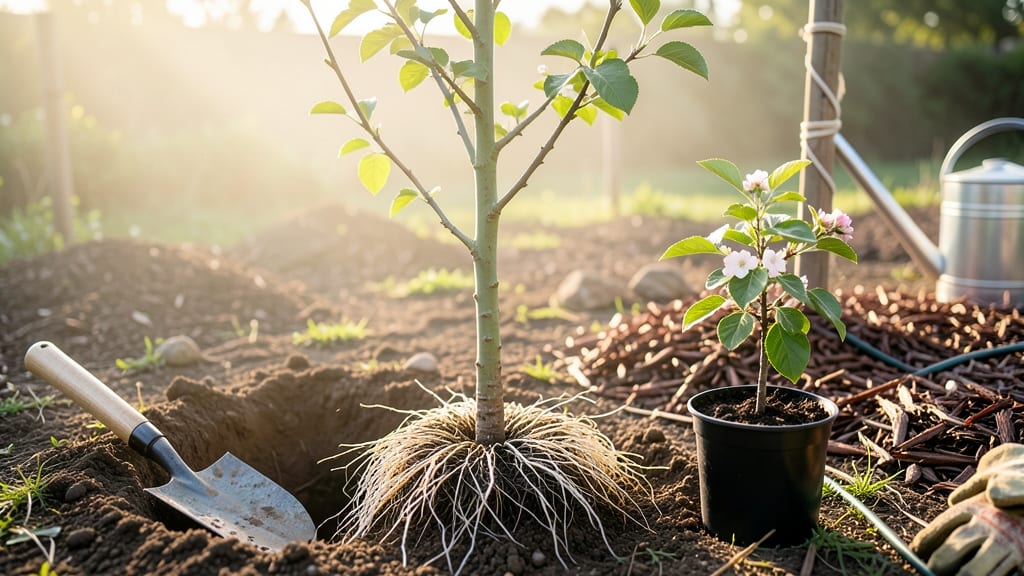
Planting an apple tree 🍎 in Illinois at the wrong time can leave it struggling through winter or failing to thrive—getting the timing right means stronger roots and bigger harvests down the road.
Most gardeners in zones 5a-6b swear by fall planting, but spring offers advantages too. The key is understanding how your local climate affects root development before the first frost hits around October 15.
Whether you're planting bare-root saplings or container-grown trees, I'll walk you through the best months for your specific Illinois county—plus how to prepare soil and choose varieties that handle your area's microclimates.
Ready to grow an orchard that lasts? Let's break down the exact windows that work for your zone, so you can plant with confidence and watch your tree flourish year after year.
Best planting months for apple trees in Illinois by USDA Zone (5, 6, and 7)
Timing your apple tree planting in Illinois is critical—fall and spring offer the best windows, but USDA zones 5, 6, and 7 each have unique climate challenges. In Zone 5, where winters are colder, planting in early fall (September) gives roots time to establish before the ground freezes.
Meanwhile, Zone 7, with milder winters, allows for a slightly extended fall window (October) or even early spring (March) planting. The key is avoiding late frosts that can damage young trees.
For Zone 6, the sweet spot is late September to early October, balancing root growth with frost protection. Spring planting (March-April) works across all zones but requires soil temperatures above 40°F to prevent root shock.
Illinois’ variable microclimates mean your county’s last frost date can shift planting windows by weeks—always check local records before digging.
Here’s the breakdown by zone, including root development goals and winter survival tips to maximize your tree’s first year:
| USDA Zone | Best Planting Window | Root Development Goal | Winter Survival Tip |
|---|---|---|---|
| 5 (Northern IL) | Late September – Early October | 4-6 weeks before first frost | Mulch heavily (4-6 inches) with straw |
| 6 (Central IL) | Late September – Mid-October | 6-8 weeks before first frost | Use windbreaks for young trees |
| 7 (Southern IL) | October or March-April | 8+ weeks before frost or soil >40°F | Plant container-grown trees in spring |
In Zone 5, where winters can drop below -15°F, focus on early fall planting (September) to let roots harden before cold snaps. Use cold-hardy varieties like Honeycrisp or McIntosh, which tolerate Illinois’ harsh winters better than tropical cultivars.
For Zone 7, where winters are milder, you can push planting into October or even early March—just ensure the soil isn’t frozen.
Spring planting (March-April) is a backup option across all zones but demands soil temperatures above 40°F. Test your soil’s warmth with a soil thermometer—cool soils can stunt root growth. If planting in spring, water deeply every 7-10 days until roots establish, typically by June.
Avoid spring planting in Zone 5 if frost is still likely, as young trees are vulnerable to late-season freezes.
Another critical factor is tree size. Dwarf varieties (6-10 ft) establish faster than standard trees (18-25 ft), making them ideal for Zone 5’s shorter growing season. For larger trees, prioritize Zone 6 and 7, where their roots have more time to spread before winter.
Always amend clay-heavy Illinois soil with compost to improve drainage—waterlogged roots are a common killer in heavy rainfall seasons.
Local microclimates can shift planting windows by weeks. For example, Champaign (Zone 6a) might see its last frost in mid-April, while Carbondale (Zone 7a) could plant as late as early November.
Check the University of Illinois Extension’s frost maps or use a local weather station to track soil temperatures. If you’re unsure, plant in early fall—it’s the safest bet for Illinois’ unpredictable winters.
One mistake I see often is planting too late in fall, leaving roots exposed to early frosts. Aim to finish planting 4-6 weeks before your area’s first frost date.
In Zone 5, that’s usually by October 1st, while Zone 7 gardeners can stretch it to November 1st. Always water thoroughly after planting to eliminate air pockets in the soil—this is especially critical in Illinois’ clay-heavy soils, which can suffocate roots if compacted.
For container-grown trees, the rules relax slightly. These trees can handle spring planting (March-April) in all zones because their roots aren’t as vulnerable to soil temperature fluctuations. However, they still need full sun (6+ hours daily) and well-draining soil.
If you’re planting in Zone 5, consider protecting young trees with tree wraps or burlap shields during the first winter to prevent sunscald.
Finally, don’t overlook pollination. Apple trees need two compatible varieties for fruit production. If you’re planting in Zone 5, pair Honeycrisp with McIntosh or
How to choose the perfect planting window for your Illinois county
Illinois’ diverse climate—from the humid southern regions to the colder northern counties—means your apple tree’s planting window can vary by 4-6 weeks. Missing the ideal window risks stunted growth or winter damage, while perfect timing ensures your tree establishes strong roots before dormancy.
Let’s break down how to pinpoint your county’s sweet spot using local frost data and soil conditions.
Start by checking your county’s USDA hardiness zone (5a-7b in Illinois), then adjust for microclimates like urban heat islands or sheltered valleys. For example, Chicago’s suburbs (Zone 6a) may have a 2-week earlier planting window than northern Illinois (Zone 5a).
Use the University of Illinois Extension’s frost-free date maps to refine your timing further.
For bare-root trees, prioritize late winter to early spring (February-April) when roots are dormant but soil is workable. Container-grown trees, however, offer flexibility until October—just ensure they’re planted before 6 weeks of frost-free days remain.
My Zone 6 garden in Champaign thrives with September 1-15 plantings, but I’ve seen neighbors in Zone 5 push to October 1 with success.
Pro tip: Monitor soil moisture after planting. Illinois’ clay-heavy soils (common in the north) benefit from raised beds to prevent waterlogging, while sandy soils (south-central) may need extra mulch to retain moisture. Use a moisture meter to confirm your soil’s readiness—aim for 40-60% moisture at planting depth.
Track your county’s historical frost dates using the National Oceanic and Atmospheric Administration (NOAA) or your local cooperative weather station. For instance, Quincy (Zone 6a) averages its last frost on April 12, while Davenport (Zone 5b) holds off until April 20.
These dates help you time bare-root planting for maximum root flare exposure before bud break.
Don’t overlook tree variety hardiness when choosing your window. Cold-hardy varieties like Honeycrisp or McIntosh can handle Zone 5 winters, while heat-sensitive types like Fuji may need earlier fall planting to avoid summer stress.
Always pair your planting window with the right pollination partner—some varieties bloom 3 weeks earlier than others!
🌳