
Plants
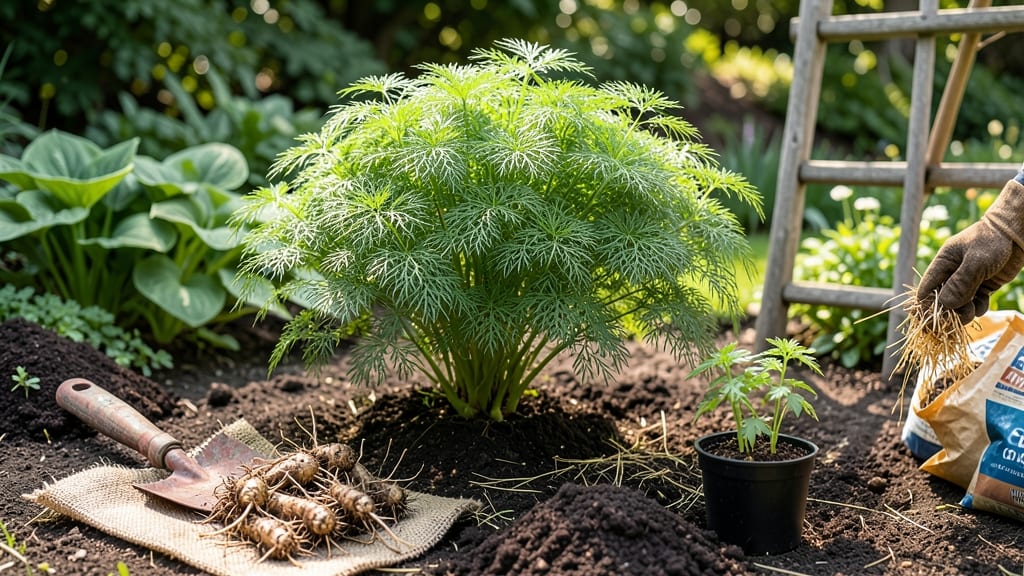
Planting asparagus in Arkansas at the wrong time can mean the difference between a bountiful harvest and wasted effort—especially in Zone 7a-8b, where mild winters trick even experienced gardeners into timing mistakes.
The key lies in those 4-6 weeks before your last frost date, typically between late February and early April, when soil temperatures rise just enough to encourage root growth without exposing young plants to unexpected cold snaps.
I’ve learned the hard way that Arkansas’s unpredictable spring weather demands patience—rushing to plant too early can leave your 🌱 asparagus crowns vulnerable to frost damage, while waiting too long risks stunted growth before the growing season peaks.
The solution? Focus on soil prep and microclimates that extend your window naturally, like raised beds or south-facing slopes that warm faster.
What sets Arkansas apart is its ability to push planting slightly later than northern zones, thanks to those mild winters and longer frost-free periods. But here’s the catch: your first harvest won’t come until the third year, so every decision—from crown depth to soil amendments—matters now for long-term success.
Let’s break down exactly how to time it right for your specific zone.
You’ll discover how to read your soil’s readiness, avoid common pitfalls (like planting too deep or ignoring pH levels), and even tweak your schedule for earlier harvests. With the right approach, you could be enjoying fresh asparagus spears by next spring—without the guesswork.
Arkansas asparagus planting deadlines by USDA Zone (6, 7, and 8)
Timing your asparagus planting is critical in Arkansas, where USDA Zones 6-8 experience wildly different frost patterns. Plant too early, and a late winter freeze can kill tender crowns; too late, and your crop won’t establish before summer heat.
The key is planting when soil temperatures reach 50-55°F—warm enough for roots to grow but cool enough to prevent premature sprouting.
Arkansas gardeners should focus on late February through early April for best results, but your exact window depends on your zone. In Zone 6 (northern Arkansas), aim for March 1-15 to avoid late frosts, while Zone 8 (southern Arkansas) can plant as early as late February with minimal frost risk.
Always check your last frost date (typically March 15 in most of Arkansas) and plant 4-6 weeks before.
Here’s the breakdown by zone, including soil temperature requirements and frost-free date calculations:
| USDA Zone | Ideal Planting Window | Soil Temperature (°F) | Frost-Free Date | Key Notes |
|---|---|---|---|---|
| Zone 6 (North AR) | March 1–15 | 50–55°F | March 15–April 1 | Wait for soil to warm; use row covers if late frost risk. |
| Zone 7 (Central AR) | Late February–March 15 | 50–55°F | March 1–March 15 | Plant early; mulch heavily to retain warmth. |
| Zone 8 (South AR) | Late February–Early March | 50–55°F | February 28–March 10 | Minimal frost risk; plant as soon as soil is workable. |
For all zones, soil temperature is more critical than calendar dates. Use a soil thermometer to confirm 50–55°F at 4-inch depth—this ensures roots establish without premature sprouting. In Zone 6, where frosts linger, consider raising beds to warm soil faster or using black plastic mulch to accelerate heating.
If you miss the ideal window, don’t panic! Asparagus crowns can tolerate light frosts once planted, but avoid planting after April 15—summer heat will stress young roots.
For Zone 7 and 8, early March plantings often yield the most vigorous crops because they establish before Arkansas’ humid summers arrive.
Pro tip: Arkansas’s acidic soils (pH 5.5–6.5) thrive with asparagus, but test your soil first. Amend with lime if pH drops below 6.0—this prevents iron chlorosis and ensures healthy root growth.
Plant 1-year-old crowns (not seeds) in 12-inch-deep trenches, spacing them 12–18 inches apart for optimal airflow and spear production.
Remember, asparagus is a perennial crop—it takes 2–3 years to reach full harvest potential. The first year focuses on root establishment, the second year on foliage growth, and only the third year will you see those prized spears.
Planting at the right time now sets you up for decades of harvests with minimal replanting.
For gardeners in Zone 7a (e.g., Little Rock), aim for March 1 as your cutoff—this balances frost risk and soil warmth. In Zone 8b (e.g., Texarkana), you can push to late February if your soil is already thawed.
Always monitor local weather forecasts for unexpected cold snaps, especially in March.
Finally, mulch heavily with straw or wood chips after planting to retain moisture and regulate soil temperature. This is especially important in Arkansas’s hot, humid summers, where moisture loss can stunt young plants.
With the right timing and care, your asparagus bed will reward you with tender spears for years to come.
How to extend your Arkansas asparagus growing season naturally
Arkansas’s unpredictable spring weather can turn a promising asparagus crop into a frost-damaged disappointment if you’re not prepared. The key to success lies in strategic protection during those critical early weeks.
Even in Zone 7a-8b, late frosts can linger into March, so extending your growing season naturally means combining smart microclimate selection, mulching techniques, and protective covers.
I’ve found that the most reliable way to safeguard young asparagus crowns is by leveraging Arkansas’s natural advantages—like warmer microclimates near buildings or fences. These spots can offer 2-3°F warmer soil temperatures, giving your plants a head start.
Pair this with the right mulching strategy, and you’ll create an environment where roots establish quickly, even if above-ground growth stalls temporarily.
Before diving into techniques, here’s what you absolutely must avoid—because one wrong move can undo weeks of prep work.
⚠️ Critical Warning: Don’t Plant Too Early!
Planting asparagus crowns in January or early February—even in Arkansas’s mild winters—is a recipe for frost damage. Soil temperatures below 45°F stunt root growth, and crowns planted too soon can rot. Wait until soil reaches 50°F+ (typically late February to early March) and use these three protective layers:
- Row covers (floating fabric) for 2-3 weeks post-planting
- Straw mulch (4-6 inches deep) to insulate roots
- Black plastic mulch (later in season) to warm soil
Pro Tip: Test soil temps with a soil thermometer—don’t guess! Arkansas’s Zone 7a areas (like the Ozarks) need extra caution.
Once you’ve timed your planting correctly, the next step is microclimate selection. In Arkansas, south-facing slopes or areas near heat-retaining structures (like brick walls) can create pockets where soil warms 1-2 weeks earlier than flat ground.
I’ve had success planting asparagus along my south-facing fence line, where the crowns emerged 10 days ahead of those in a nearby open bed.
For physical protection, row covers are your best friend during late frosts. Use floating fabric row covers (not solid plastic) to allow light and air circulation while blocking 28°F+ frosts.
Secure the edges with bricks or soil to prevent wind damage, and remove covers once daytime temps consistently stay above 50°F. This simple step can extend your harvest window by 3-4 weeks.
Mulching is another game-changer for Arkansas gardeners. Apply 4-6 inches of straw or leaves around asparagus crowns immediately after planting. This mulch layer acts as an insulator during cold snaps and helps retain moisture in Arkansas’s often dry springs. Replenish mulch annually in early spring to maintain its protective benefits.
Finally, don’t overlook the power of soil preparation. Arkansas’s native clay soils can compact easily, slowing root growth. Amend your beds with compost and sand before planting to improve drainage and warmth.
A well-prepared bed with 6.0-7.0 pH gives asparagus the best chance to establish quickly—even if late frosts delay above-ground growth.