
Plants
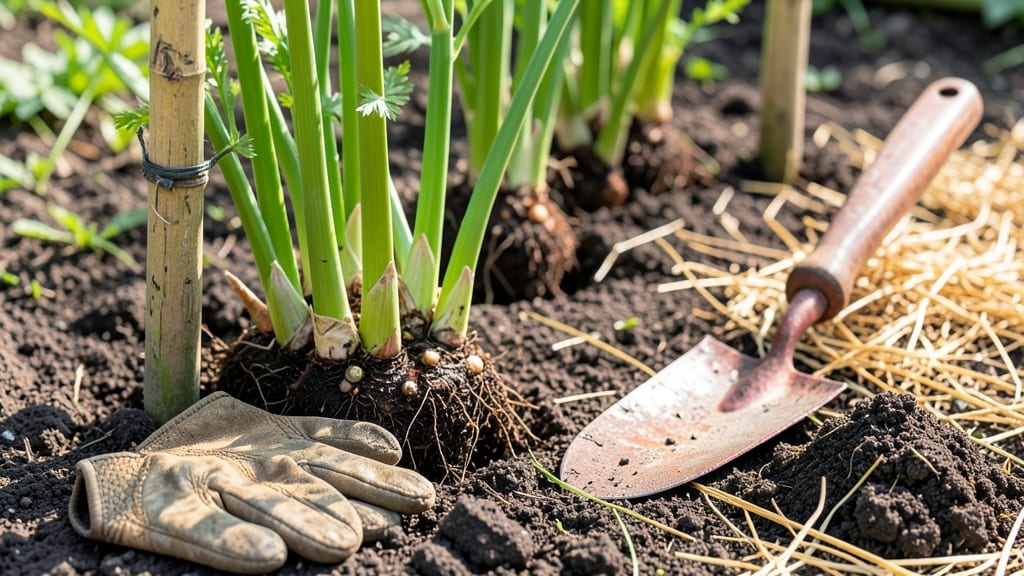
Planting asparagus in Zone 8 isn’t just about dropping crowns in the dirt—it’s about unlocking a 3-year harvest that starts with the right timing.
If you’ve ever wondered why some gardeners get spears by spring while others wait forever, the answer lies in those early February-March windows when soil temperatures finally cooperate.
Zone 8’s mild winters and long growing season give you two chances to plant asparagus crowns, but only one strategy guarantees success. Whether you’re a first-timer or a seasoned gardener, getting the timing right means avoiding stunted growth and maximizing those 6-8 inch spears by next spring.
I’ll break down exactly when to plant—whether you prefer the cooler early spring or the slightly warmer fall option—and how to prepare your soil for year-round harvests.
Plus, I’ll share the one mistake that kills asparagus plants faster than drought, so you can skip the frustration and start enjoying fresh spears.
Ready to grow asparagus that thrives in Zone 8’s heat? Let’s dive into the best planting windows, soil tricks, and care tips that’ll have you harvesting like a pro in just a few seasons.

Optimal planting windows for asparagus crowns in Zone 8
Asparagus crowns thrive in Zone 8’s mild climate, but timing matters—plant too early, and frost may damage tender roots; too late, and summer heat stresses new growth. The ideal window spans February through early April, aligning with soil temperatures of 50–60°F and avoiding extreme heat or frost risks.
For coastal Zone 8 areas (e.g., San Francisco, coastal California), plant as early as January–February when soils warm slightly faster. Inland regions (e.g., Phoenix, Las Vegas) should wait until March to escape late-winter cold snaps and summer’s scorching heat.
Fall planting is risky in Zone 8—crowns need 6–8 weeks to establish roots before winter dormancy. Only attempt it in late September–October if your microclimate has mild winters (e.g., coastal Southern California). Most gardeners prefer spring planting for reliability.
Soil temperature is your best guide: Use a soil thermometer to confirm 50°F+ at 6-inch depth. Inland soils warm slower; coastal soils may hit this threshold 3–4 weeks earlier. Plant when temps stabilize—avoid fluctuations above 80°F, which stress crowns.
| Planting Window | Best For | Soil Temp Requirement | Zone 8 Microclimate | Key Consideration |
|---|---|---|---|---|
| January–February | Coastal Zone 8 | 50–60°F (10–15°C) | San Francisco, Santa Barbara | Soils warm faster; avoid post-planting heatwaves. |
| March | Inland Zone 8 | 55–65°F (13–18°C) | Phoenix, Las Vegas | Wait for stable 55°F+ to avoid late frost. |
| Late September–October | Risky (Coastal Only) | 60–70°F (15–21°C) | Los Angeles, San Diego | Only if 6+ weeks to frost; crowns need root time. |
| April (Last Chance) | Inland/High Desert | 60°F+ (15°C+) | Albuquerque, Tucson | Use shade cloth if planting late to prevent heat stress. |
In coastal Zone 8, where winters are mild and wet, focus on January–February planting. The ocean’s moderating effect keeps soils warmer earlier, but watch for Pacific storms—waterlogged soil can rot crowns. Amend beds with compost and sand to improve drainage.
Inland Zone 8 gardeners face hotter summers and colder winters. Plant in March to avoid late frosts (common in Valleys) and give crowns time to establish before 100°F+ heat. Mulch heavily with straw or wood chips to retain moisture and cool roots.
Soil prep is critical: Asparagus hates compacted or waterlogged soil. Test your soil’s pH (6.5–7.0) and amend with lime or sulfur as needed. Work in 3–4 inches of compost and 1 inch of sand to prevent crown rot—a common issue in Zone 8’s humid summers.
Once planted, water deeply (1–2 inches per week) for the first 6 weeks to encourage root growth. After establishment, reduce frequency but increase depth—drought-tolerant once mature, but young crowns need consistency. In coastal areas, reduce watering in winter to prevent fungal diseases.
Pro tip: Mark your planting date and track spear emergence—you’ll harvest 2–3 years later. Patience pays off: A well-timed Zone 8 planting yields 20+ years of harvests with minimal care after establishment.
Step-by-step guide: planting asparagus crowns in Zone 8’s climate
Planting asparagus crowns in Zone 8’s warm winters and hot summers requires careful timing and preparation to avoid crown rot and ensure strong establishment.
Unlike cooler climates, Zone 8’s mild winters mean you can plant as early as late winter (February), but soil temperature is critical—wait until the ground reaches 50°F (10°C) for best results.
Zone 8’s humidity and intense summer heat demand extra attention to drainage and watering schedules. Poor drainage is the #1 killer of asparagus in this climate, so raised beds or mounded soil are ideal.
Below, I’ll walk you through the exact steps to plant asparagus crowns like a pro, tailored for Zone 8’s unique conditions.
🌱 Step-by-Step Planting Guide for Zone 8
- 1 Choose the Right Time: Plant asparagus crowns in late winter (February) or early spring (March) when soil temps hit 50°F (10°C). Avoid fall planting—Zone 8’s mild winters won’t chill the crowns enough for dormancy.
- 2 Prepare the Trench: Dig a 6-inch-deep trench that’s 12–18 inches wide. Space trenches 3–4 feet apart to allow airflow and prevent fungal diseases. Amend soil with compost and a balanced fertilizer (5-10-10) to boost root growth.
- 3 Soak the Crowns: Before planting, soak asparagus crowns in water for 1–2 hours to rehydrate roots. This reduces transplant shock in Zone 8’s dry spells. Trim any mushy or damaged roots with clean pruners.
- 4 Plant Crowns Properly: Place crowns in the trench with roots facing downward and crowns slightly above soil level. Space crowns 12–18 inches apart in rows. Cover with 1–2 inches of soil, leaving 4–6 inches of crown exposed for now.
- 5 Gradually Fill the Trench: Over 4–6 weeks, add soil to the trench until it’s 6–8 inches deep. This encourages strong root development before summer heat arrives. Avoid burying crowns too deep—it causes rot in Zone 8’s humidity.
- 6 Water Deeply and Mulch: Water deeply (1–2 inches) immediately after planting, then weekly for the first month. Apply 3–4 inches of mulch (straw or wood chips) to retain moisture and regulate soil temperature. Replenish mulch in summer to prevent crown rot.
- 7 Monitor for Pests/Diseases: Watch for asparagus beetles and fungal spots in Zone 8’s heat. Use neem oil for beetles and ensure proper spacing to improve airflow. Avoid overhead watering to prevent foliar diseases.
Once your asparagus crowns are planted, resist the urge to harvest spears in the first year—let the plants focus on root and crown growth.
In Zone 8’s climate, you’ll see spear production by the second or third spring, but patience pays off with decades of harvests if cared for properly.
Pro tip: Mark your trenches with stakes or flags to avoid accidentally digging