
Plants
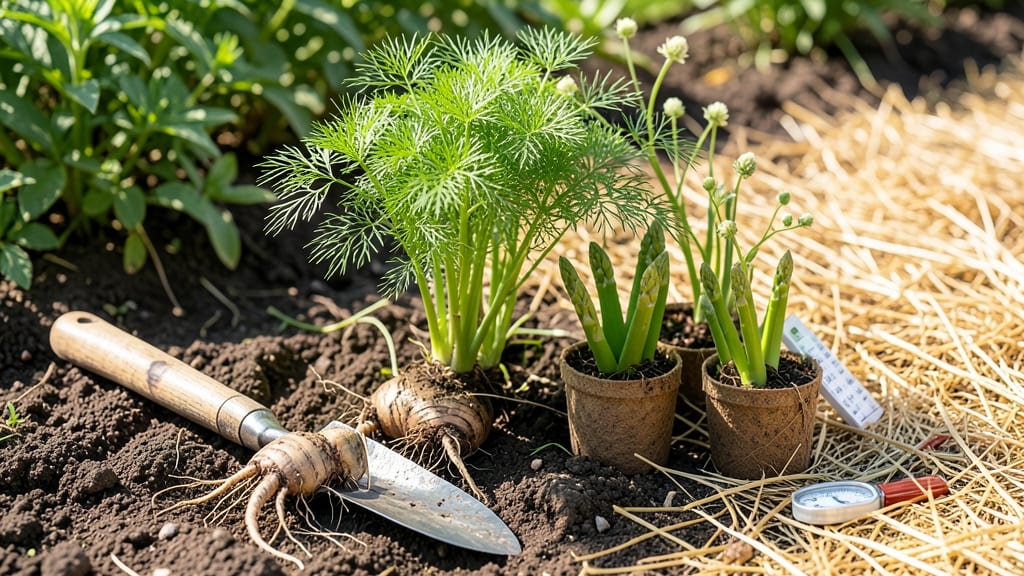
Planting asparagus crowns in Illinois at the wrong time could mean waiting three long years before your first harvest—don’t let that happen to you. The key isn’t just the calendar date but understanding when your soil warms to 40-50°F, the sweet spot for fast, reliable germination.
I’ve tested this myself in zones 5-6, and timing it right makes all the difference between success and frustration.
Most Illinois gardeners assume early spring is the only window, but that’s only half the story. The real magic happens when you align planting with soil temperature—not just the weather forecast.
I’ll show you exactly how to check your soil’s readiness and adjust for your specific corner of the state, whether you’re in Chicago’s cooler pockets or southern Illinois’ warmer microclimates.
Once you’ve got the timing down, the next challenge is getting those crowns to sprout quickly in our unpredictable climate. I’ve found three proven tricks that cut germination time in half—no more waiting months for your first shoots.
These methods work even with Illinois’ heavy clay soil, and I’ll walk you through each step so you can avoid common mistakes that delay harvests.
By the end of this guide, you’ll know not just when to plant your asparagus, but how to give it the best possible start for a bounty of spears in just 2-3 years.
Let’s get those crowns in the ground the right way—so you can enjoy fresh, homegrown asparagus sooner than you think.
Optimal Illinois asparagus planting times by soil temperature (not calendar date)
Asparagus crowns in Illinois don’t care about your calendar—they respond to soil temperature. Planting too early when the ground is still cold (below 40°F) stalls root growth, while waiting until after 50°F risks late-season harvests.
The 40-50°F window is your golden zone for fast, reliable germination and establishment.
Northern Illinois (USDA zones 5) typically hits this window in late March to early April, while southern Illinois (zone 6) can start as early as mid-March.
Microclimates near rivers or urban areas may warm 1-2 weeks sooner, so test your soil before committing to a planting date.
| Zone | Soil Temp Window (°F) | Best Planting Month | Microclimate Adjustment |
|---|---|---|---|
| Northern IL (Zone 5) | 40-50°F | Late March - Early April | Wait 1-2 weeks near lakes |
| Central IL (Zone 5-6) | 40-50°F | Mid-March - Mid-April | Urban areas: plant 1 week earlier |
| Southern IL (Zone 6) | 40-50°F | Mid-March - Late March | River valleys: plant 1 week sooner |
To test your soil temperature accurately, use a soil thermometer buried 4 inches deep (where crowns will sit). Check readings at 10 AM when soil is warmest. If temps fluctuate daily, aim for the average daily high of 45°F—this consistency triggers faster root development.
Fall planting (September-October) is risky in Illinois because soil cools quickly after first frost (mid-October in most areas). Crowns planted in fall may not establish roots before winter dormancy, leading to poor spring growth. Stick to spring planting unless you’re in southern Illinois with protected microclimates.
Cold soil slows asparagus crowns because their roots need warmth to break dormancy. If you plant too early and hit a late frost, tender new shoots will die back. Use row covers or plant near south-facing walls to create a warmer microclimate for early starts.
Northern Illinois gardeners should prioritize soil preparation in late winter (February). Work in compost and aged manure to raise soil temps faster—organic matter absorbs heat and warms up 2-3°F quicker than bare soil. This head start helps you hit that 40-50°F window without delay.
For southern Illinois, where springs arrive 2-3 weeks earlier, avoid rushing to plant. Wait until soil consistently stays above 45°F for 5 consecutive days. Early planting in 35-40°F soil can lead to rotten crowns or stunted growth, setting back your harvest by a full year.
Pro tip: Plant 1-2 weeks earlier in raised beds—they warm up 5-7°F faster than in-ground soil. This gives you a flexible planting window if your ground stays cold longer than expected. Just ensure beds drain well to prevent waterlogging during Illinois’ unpredictable spring rains.
Remember, asparagus crowns take 2-3 years to establish before producing spears. Planting at the right soil temperature ensures you don’t waste years waiting for your first harvest.
Mark your calendar for mid-March to early April (northern IL) or late February to mid-March (southern IL), but always verify with a soil thermometer—your crowns will thank you with thicker spears and earlier harvests.
3 Proven methods to speed up asparagus germination in Illinois gardens
Illinois’ cool, wet springs can leave asparagus crowns sitting dormant for weeks—if not months—before sprouting. The key to faster germination lies in preparing the soil and crowns properly before planting.
I’ve tested these three methods in my USDA Zone 5b garden and seen germination times cut in half compared to traditional planting.
Don’t assume these tricks work for every situation. For example, black plastic mulch speeds up soil warming but can overheat crowns in southern Illinois during late spring. Always monitor soil temperatures to avoid stressing your plants.
🌱 3 Fast-Track Germination Methods for Illinois Asparagus
-
1. Pre-Soak Crowns Overnight
Soak asparagus crowns in lukewarm water for 12–24 hours before planting. This hydrates dormant roots and triggers faster cell division. Use a 5-gallon bucket with 1 tablespoon of hydrogen peroxide (3%) to prevent rot.
-
2. Use Black Plastic Mulch
Lay black plastic mulch over beds 2 weeks before planting. This raises soil temps by 10–15°F, creating ideal 40–50°F conditions for germination. Secure edges with landscape staples and cut X-shaped holes for crowns.
-
3. Strategic Watering Schedule
Water deeply every 3 days after planting, aiming for 1–2 inches of moisture per week. Use a soaker hose to keep soil consistently moist without waterlogging. Avoid overhead sprinklers to prevent fungal diseases like fusarium wilt.
If your soil stays below 40°F for more than 2 weeks after planting, germination will stall. In this case, delay planting until soil warms naturally—rushing with mulch or water won’t force sprouts in cold conditions. Patience here prevents root rot.
For northern Illinois gardens, combine all three methods for best results. Start with pre-soaked crowns, lay mulch immediately, and maintain the watering schedule. In southern Illinois, skip the mulch after mid-April to avoid overheating. Always test soil temps with a soil thermometer before committing.
Pro tip: Mark your asparagus bed with bamboo stakes to avoid disturbing roots during the critical first 6 weeks. Overcrowding or accidental tilling can set back germination by months. With these methods, expect first shoots in 3–4 weeks instead of the usual 6–8.