
Plants
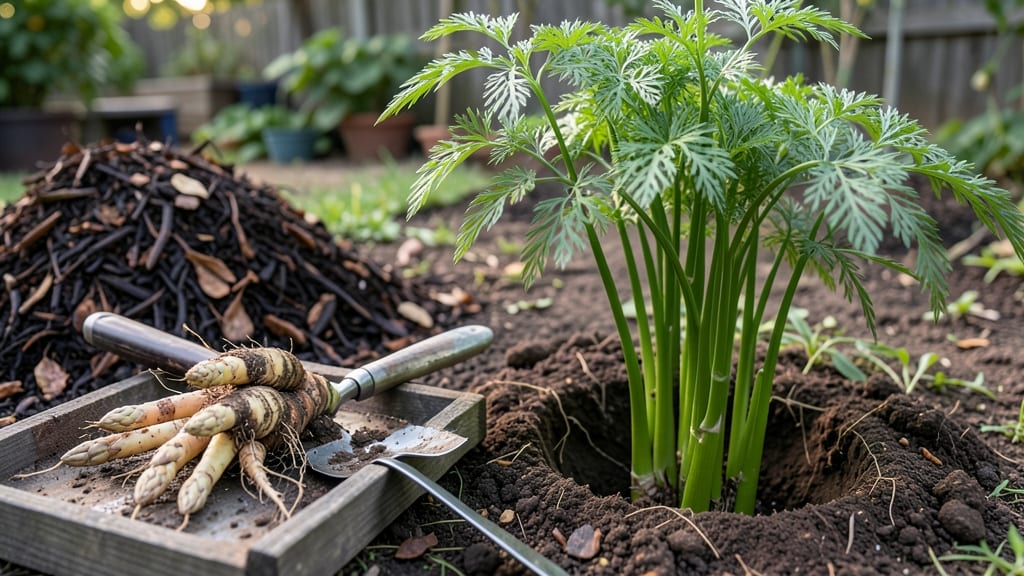
Planting asparagus in Zone 9 might seem tricky—after all, your local climate doesn’t follow the usual spring rules. But here’s the secret: the right timing can mean spears in just 12 months instead of years.
Whether you’re a seasoned gardener or a beginner with a shovel, getting this perennial right starts with knowing when to dig in.
Zone 9’s mild winters and scorching summers mean traditional planting windows don’t apply. Fall or spring? Both work, but one gives your 🌱 asparagus crowns a head start by avoiding summer’s heat stress.
I’ll break down the exact months that set you up for success—and how to prep your soil so roots thrive, not struggle, in this climate.
Most gardeners wait too long, thinking asparagus is low-maintenance. But in Zone 9, patience pays off—literally. With the right approach, you’ll skip the 3-year wait for harvests and enjoy fresh spears in record time. Let’s get your patch growing fast and efficiently, so you can stop dreaming and start feasting.
Ready to turn your yard into a spear-producing powerhouse? The clock is ticking—literally. Whether you’re planting in late winter or early fall, the key is acting now.
I’ll walk you through every step, from soil prep to the first harvest-ready shoot, so you can enjoy homegrown asparagus without the years-long wait.

Optimal planting windows for asparagus in Zone 9: fall vs spring breakdown
In Zone 9, where winters are mild and summers scorching, choosing the right time to plant asparagus crowns can make or break your harvest. Unlike colder climates, Zone 9’s frost-free winters mean you have two viable planting windows: fall (September-October) and spring (February-March).
But which one gives you faster root growth and earlier spears? The answer lies in understanding how soil temperatures and seasonal moisture interact with asparagus’ natural growth cycle.
Fall planting often wins in Zone 9 because cooler temperatures slow down pest activity while allowing roots to establish before summer heat stress. Meanwhile, spring planting risks heat shock if crowns aren’t hardened off properly.
Let’s break down the science behind each approach so you can decide which method aligns with your Zone 9 garden’s unique conditions.
Fall planting in Zone 9 (aim for late September to early October) gives asparagus crowns a head start. When soil temperatures hover between 50–65°F, roots grow aggressively without competing with summer’s heat.
This means you could see your first harvest as early as year 2—a full year sooner than spring-planted asparagus. The mild winters in Zone 9 also mean no frost damage, so roots continue developing even through December.
Spring planting, while still viable, requires more attention in Zone 9. Planting in February or March means crowns must establish roots before summer’s intense heat arrives. Without proper mulching and shade protection, young plants can suffer from heat stress, delaying harvest by up to a year.
However, spring planting aligns with natural rainfall patterns in some Zone 9 regions, reducing early watering demands.
One critical factor for Zone 9 growers is soil moisture retention. Fall-planted asparagus benefits from cooler temperatures that reduce evaporation, keeping roots consistently moist. Spring-planted asparagus, on the other hand, may need drip irrigation or deep mulch to prevent soil from drying out too quickly.
I’ve found that adding 2–3 inches of straw mulch around fall-planted crowns cuts water needs by nearly 40% during Zone 9’s dry winters.
Don’t overlook the role of asparagus beetles in your timing decision. These pests thrive in spring, so fall-planted asparagus avoids their worst infestations. If you choose spring planting, monitor for beetles and their eggs closely—handpicking adults can save your crop.
I’ve seen entire patches defoliated in Southern California when beetles went unchecked during March plantings.
For fastest results, I recommend fall planting in Zone 9, especially if you’re using 1-year-old crowns. These pre-grown roots hit the ground running in cooler weather, often producing spears by their second spring. Spring planting is better suited for cold-stored crowns or if you missed the fall window.
Either way, amend your soil with compost and aged manure before planting to give roots the nutrients they need to thrive in Zone 9’s challenging summers.
Remember, asparagus is a perennial in Zone 9, meaning proper planting pays off for decades. Whether you choose fall or spring, prioritize well-draining soil and full sun exposure—these two factors matter more than planting season in the long run.
With the right timing, you’ll be enjoying fresh spears in just 12–18 months instead of waiting years for your patch to mature.
Step-by-step guide: preparing soil and planting asparagus for Zone 9’s climate
Zone 9’s warm winters and intense summers demand special care when planting asparagus. The key to success lies in soil prep and precise planting techniques that protect young roots from heat stress.
Unlike cooler climates, your asparagus crowns need extra organic matter to retain moisture while allowing drainage—critical in Zone 9’s fast-drying soil.
Start by testing your soil’s pH level (aim for 6.5–7.5). Asparagus thrives in slightly acidic to neutral soil, but Zone 9’s native clay or sandy soils often need amendments.
I’ve found composted manure or aged leaf mold works best—mix in 2–3 inches before planting to improve structure and water retention without compacting the roots.
🌱 Step-by-Step Planting Guide for Zone 9
- Step 1: Choose the Right Time Plant asparagus crowns in January–February (late winter) to avoid summer heat stress. Fall planting is risky in Zone 9 due to mild winters—roots may sprout too early.
- Step 2: Dig Trench or Hole Create a 12-inch-deep trench (for rows) or hole (for individual plants). Space trenches 18 inches apart to allow airflow and future harvest access.
- Step 3: Amend Soil Thoroughly Blend 50% native soil with 50% compost (or well-rotted manure). Add 1 cup bone meal per plant for phosphorus—critical for root development.
- Step 4: Plant Crowns Correctly Place crowns 8–12 inches deep (deeper in sandy soil, shallower in clay). Spread roots horizontally—this encourages wider, more productive crowns.
- Step 5: Water Deeply After Planting Soak the soil until 12 inches deep to eliminate air pockets. Use drip irrigation or a soaker hose to avoid disturbing the soil surface.
- Step 6: Mulch Heavily Apply 3–4 inches of mulch (straw or wood chips) to retain moisture and regulate soil temperature. Replenish mulch annually in spring.
- Step 7: Avoid Fertilizing for 6 Weeks Let roots establish before adding 5-10-10 fertilizer. Over-fertilizing in Zone 9’s heat can burn young plants—wait until February for a light feeding.
One common mistake in Zone 9 is overwatering after planting. While asparagus needs consistent moisture, soggy soil leads to root rot. I’ve seen beginners drown their plants by watering daily—stick to deep watering every 5–7 days once established.
Use a moisture meter to check 4 inches deep; water only when soil feels dry.
Another pitfall is poor drainage. Zone 9’s occasional heavy rains can waterlog soil, suffocating roots. If your garden has clay soil, amend with perlite or coarse sand to improve drainage.
Test this by digging a hole—if water pools after 30 minutes, you’ll need to raise beds or add organic matter.
After planting, protect young shoots from direct summer sun with shade cloth (30–50%) until they’re 4–6 inches tall. This reduces heat stress while roots strengthen. Once established, your asparagus will reward you with spears in 2–3 years—not the 3+ years typical in cooler climates.