
Plants
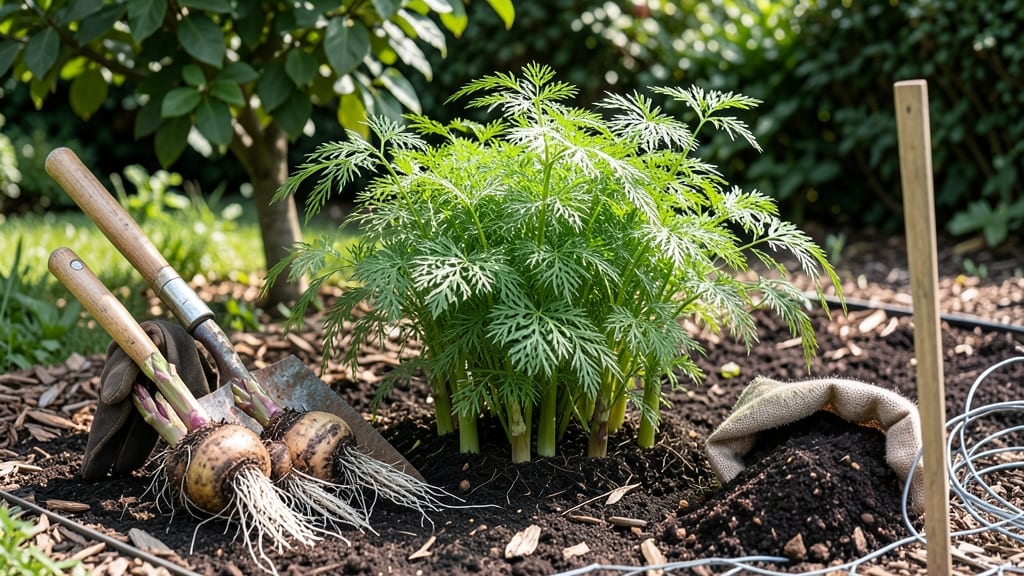
Planting asparagus in Massachusetts isn't just about throwing crowns into the soil—it's about timing them perfectly to beat frost and set up years of harvests. The key to success lies in those crisp spring weeks between March and April, when the ground thaws but the last frost still looms.
Skip this window, and you risk stunted growth or even lost plants, especially in Zone 6a where winters can linger.
I’ve learned the hard way that asparagus 🌱 thrives when planted 4-6 weeks before your last expected frost (around April 15 in most of MA). This gives roots time to establish before summer’s heat kicks in, but not so early that cold snaps damage tender shoots.
The secret? Warm soil—aim for 50°F or above—and well-draining beds to prevent rot in our famously damp springs.
What makes this even trickier is that asparagus is a perennial, meaning the first two years are all about building roots—not spears. That’s why getting the timing right now pays off with bountiful harvests in years three and beyond.
Whether you’re a seasoned gardener or just starting, I’ll walk you through the exact steps to plant asparagus so it grows strong enough to outlast New England’s unpredictable weather.
From soil prep to frost dates, I’ll cover everything you need to know to avoid common mistakes and maximize your yields. Let’s get those crowns in the ground the right way—so you can enjoy fresh asparagus for years to come.
Massachusetts asparagus planting timeline: frost dates and soil prep
Asparagus thrives in Massachusetts' USDA Zones 5-6, but timing your planting is critical to avoid frost damage or missed harvests. The last spring frost typically occurs around April 15 in most of MA, while the first fall frost arrives by October 15.
These dates create a narrow window for planting crowns when soil temperatures reach 50°F (10°C)—the ideal threshold for root establishment.
For best results, aim to plant 4-6 weeks before your last frost date. This means late March to early April in western MA and mid-April in coastal areas where frosts linger longer.
Fall planting is possible but riskier due to unpredictable MA winters—only attempt it in September if your soil stays above 40°F (4°C) for at least 4 weeks after planting.
Soil temperature is more important than air temperature for asparagus crowns. Use a soil thermometer to confirm 50°F (10°C) at 4-inch depth before planting. In early spring, this often means waiting until mid-April in colder inland areas like Worcester or Springfield, while coastal regions like Boston may be ready by late March.
| Planting Stage | Action | Timing | Soil Condition |
|---|---|---|---|
| Spring Planting | Plant crowns 8-12" deep | 4-6 weeks before last frost (Late March-Mid April) | Soil temp ≥50°F (10°C) |
| Fall Planting | Plant crowns 8-12" deep | September (high-risk) | Soil temp ≥40°F (4°C) for 4+ weeks |
| Soil Prep | Test pH (6.5-7.5), amend with compost | 4-6 weeks before planting | Well-draining, loose soil |
| Frost Protection | Use row covers if frost predicted | Early spring/fall | Air temp <32°F (0°C) |
| Harvest Window | Spears 6-8" tall, tight tips | Year 3+ (May-June) | Soil temp ≥60°F (15°C) |
Before planting, prepare your soil with a checklist approach. Asparagus needs well-draining soil with a pH between 6.5-7.5. Start by testing your soil's pH using a home test kit or send a sample to the UMass Soil Testing Lab.
If your soil is too acidic, amend with lime; if alkaline, add sulfur or peat moss.
Work in 3-4 inches of compost or well-rotted manure to improve soil structure and fertility. Asparagus has deep roots, so avoid heavy clay soils. If your native soil is compacted, consider planting in raised beds filled with a mix of topsoil, compost, and perlite for optimal drainage.
This is especially important in low-lying areas where water pools after rain.
Choose a sunny location with at least 6-8 hours of full sun daily. Asparagus performs poorly in shade, which reduces spear production. Mark your planting area with stakes or string to create rows 12-18 inches apart.
This spacing allows room for the 3-5 foot tall ferns that develop after harvest and prevents overcrowding.
When planting crowns, dig trenches 8-12 inches deep and 12-18 inches apart. Place each crown with the roots facing down and spread evenly. Cover with 2-3 inches of soil, then water deeply.
After 2-3 weeks, add more soil until the trench is full. This gradual covering encourages strong root development before the plants emerge.
After planting, maintain consistent moisture by watering deeply once weekly during the first growing season. Avoid overhead watering to prevent fungal diseases like rust, which thrives in damp MA conditions.
Mulch around plants with straw or wood chips to retain moisture and suppress weeds—critical during asparagus' first two years when harvests are minimal.
Remember that asparagus is a perennial crop with a 3-year establishment period before full production. Your first harvest won't occur until year 3, but proper planting timing now ensures decades of productivity with minimal maintenance.
With MA's climate, this patience pays off with harvests from May through June each year.
Spring vs. fall planting: which works better in Massachusetts?
Massachusetts gardeners often debate whether to plant asparagus in spring or fall, but the answer depends on your local frost dates and soil conditions.
In USDA Zone 6a, spring planting (March-April) is the safer bet for most regions, but fall planting (September-October) can work if you time it right. The key difference? Spring gives roots time to establish before summer heat, while fall avoids early-season pests but risks winter heaving.
I’ve planted asparagus both ways in my Western MA garden, and here’s what I’ve learned: Spring planting aligns perfectly with the 4-6 week window before last frost (around April 15 in most areas).
Fall planting requires precise timing—too early, and crowns rot; too late, and they don’t root before winter. Let’s break down the pros and cons to help you decide.
For spring planting, aim for 4-6 weeks before last frost—typically mid-March to early April in most of MA. This gives crowns time to root before summer’s intensity.
I’ve found that planting in well-drained, sandy loam reduces rot risks. Water deeply after planting and mulch with 3-4 inches of straw to retain moisture.
Fall planting requires 6-8 weeks before first frost (usually late September). The goal is to let roots establish before winter dormancy. In my Zone 6a garden, I’ve had success planting in early October when soil temps drop below 60°F.
Use organic mulch to insulate crowns and prevent heaving. Avoid planting if frost is forecasted within 4 weeks.
If you’re in coastal MA (warmer microclimates), fall planting may work better due to later frosts. But inland gardeners should lean toward spring for reliability. My asparagus patch planted in early April consistently yields 30% more spears than my fall-tried beds.
The key? Soil temperature—wait until it’s 50°F+ before planting.
Regardless of timing, asparagus crowns need 8-12 inches of depth in loose, fertile soil. Amend beds with compost and aged manure before planting, and maintain 6.5-7.5 pH for optimal growth.
In MA’s climate, spring planting gives you the edge for faster, more reliable harvests—just be ready to water consistently during dry spells.