
Plants
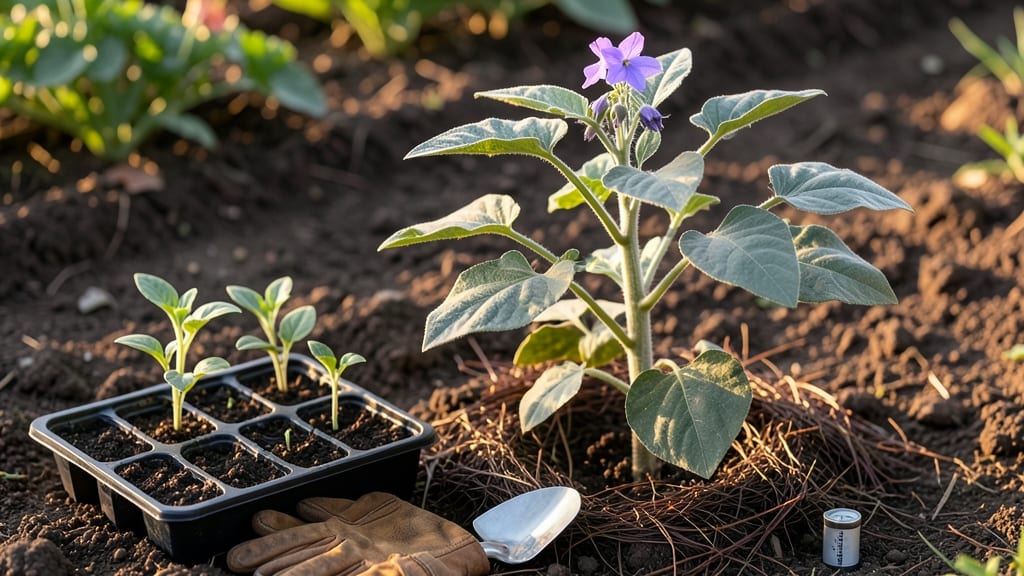
Planting eggplant in Southern California isn’t just about avoiding frost—it’s about timing the heat just right. Skip the spring rush, and you might end up with wilted plants before they even fruit. But get it right, and you’ll harvest glossy 🍆 beauties from June through December.
Here’s the trick: Southern California’s 9b-11 zones mean frost is rarely a concern, but extreme summer heat can stress eggplants if planted too early. Coastal areas like San Diego can handle transplants as early as March 15, while inland valleys should wait until April 15 to avoid stunted growth.
Fall planting is your secret weapon—start seeds indoors in August for a second harvest by December. The key? Soil that’s warmed to 60°F+ and consistent watering to keep roots cool in the summer’s peak.
I’ll walk you through the exact planting windows, heat-tolerant varieties, and soil prep tips to turn your garden into an eggplant powerhouse—no guesswork, just zero-frost, high-yield success.
Southern California eggplant planting zones: frost-free timing by USDA Zone
Southern California’s diverse USDA Zones 9b-11 create unique challenges for eggplant growers. Unlike northern regions, we don’t worry about spring frosts—but we do battle summer heat stress and coastal breezes. The key?
Planting during optimal temperature windows when soil warmth aligns with air temps, typically March-May for spring crops and August-September for fall harvests. Let’s break down the perfect timing for your specific microclimate.
Coastal areas like San Diego and Santa Barbara (Zones 10a-11) enjoy milder winters and longer growing seasons, while inland valleys such as Los Angeles Basin and San Fernando Valley (Zones 9b-10a) face hotter summers.
High-desert regions like Palm Springs (Zone 10b) require even earlier planting to escape extreme heat. Understanding these variations ensures your eggplants thrive without stress.
Here’s your region-specific planting timeline, including frost-free dates and heat-tolerance thresholds that separate successful harvests from failed crops. The table below shows exact windows for USDA Zones 9b-11, including coastal vs. inland adjustments.
| USDA Zone | Region Examples | Last Frost Date | Ideal Planting Window | Heat Threshold (°F) |
|---|---|---|---|---|
| 9b (30-35°F) | Inland Valleys (LA Basin, San Fernando Valley) | January 15 | March 1 – April 15 | 85°F (day), 70°F (night) |
| 10a (30-35°F) | Coastal Cities (Long Beach, Orange County) | December 1 | February 15 – April 30 | 80°F (day), 65°F (night) |
| 10b (35-40°F) | Desert Areas (Palm Springs, Joshua Tree) | November 15 | January 1 – March 15 | 95°F (day), 75°F (night) |
| 11 (40°F+) | Coastal (San Diego, Santa Barbara) | None (frost-free year-round) | February 1 – May 15 OR August 15 – October 1 | 90°F (day), 70°F (night) |
For Zone 9b gardeners in inland valleys, aim to plant eggplant seedlings by March 1 to avoid the late-winter heat spikes that can stress young plants. Soil temperatures should reach 60°F+—use a soil thermometer to confirm.
In Zone 10a coastal areas, you can start slightly earlier (mid-February) thanks to milder nights, but watch for coastal fog, which can delay soil warming.
The high-desert regions (Zone 10b) like Palm Springs require the earliest planting window to escape summer’s 100°F+ days. Plant by January 1 for a spring harvest before July heat sets in. If you miss this window, opt for fall planting (August-September) to avoid the worst heat.
Pro tip: Use black plastic mulch to raise soil temps by 5-10°F, giving your plants a head start.
In Zone 11 coastal areas, you’re in luck—you can plant year-round with minimal frost risk. However, summer heat (above 90°F) still stresses eggplants, so focus on spring (Feb-May) and fall (Aug-Oct) plantings.
For a continuous harvest, stagger plantings every 2-3 weeks from February through October. This “succession planting” ensures you’re always harvesting fresh fruit.
One common mistake is planting too late in spring, when daytime temps exceed 90°F. Eggplants are heat-sensitive and may drop flowers or produce bitter fruit.
If you’re in Zone 9b or 10a and planting in May, provide afternoon shade cloth (30-50%) during peak heat hours (12 PM – 4 PM) to protect your plants. For fall plantings, aim to harvest before November 15 to avoid early cold snaps
Eggplant heat tolerance limits: when to plant for maximum yield in SoCal’s summer
Eggplants love heat—but only up to a point. In Southern California, daytime temperatures above 90°F (32°C) can stress plants, while nighttime temps below 60°F (15°C) stunt growth. The key is planting when your region’s heat waves align with eggplant’s tolerance, typically late spring or early fall.
For example, the San Fernando Valley (Zone 9b) can handle summer transplants, while coastal San Diego (Zone 10a) thrives with fall plantings to avoid peak July heat.
Your planting window hinges on heat tolerance thresholds and microclimate adjustments. Eggplants prefer 75–85°F (24–29°C) daytime temps and 65–70°F (18–21°C) nights. Inland areas like the Inland Empire can push these limits slightly, but coastal regions must avoid summer’s humidity + heat combo, which invites fungal diseases.
Here’s how to time it perfectly:
For spring plantings, aim for March 15–April 30 in most of SoCal. Transplant seedlings when soil temps hit 60°F+—use a soil thermometer to confirm. In high-desert areas (e.g., Joshua Tree), delay until May 1 to avoid late-spring frosts.
To extend the season, try a late-summer transplant (August 1–September 15) for a fall harvest, but monitor temps closely.
Heat stress shows up as yellowing leaves, dropped flowers, or bitter-tasting fruit.
Combat it with these strategies: - Mulch heavily (straw or black plastic) to keep roots cool. - Provide afternoon shade (use shade cloth) in 100°F+ (38°C+) heat. - Water deeply at soil level (avoid wetting leaves to prevent disease).
For container growers, choose heat-resistant varieties like ‘Black Beauty’ or ‘Ichiban’ and move pots to shadier spots midday.
Soil prep is just as critical as timing. Eggplants crave well-draining, fertile soil with a pH of 6.0–6.8. Amend clay soil with compost or coconut coir to improve aeration.
Add aged manure or composted chicken manure for phosphorus to boost flowering and fruiting. A slow-release fertilizer (10-10-10) at transplanting gives them a nutrient head start.
Pro tip: Succession plant every 2–3 weeks from March to September to stagger harvests. In Zone 10a–11, you can even grow eggplants year-round with seasonal adjustments—plant in fall for winter harvests or spring for summer yields.
Just watch for aphids or whiteflies, which thrive in SoCal’s warm winters.
With the right timing and care, your eggplants will reward you with glossy, deep-purple fruit all season long. Start with transplants from a local nursery (they’re hardened off for SoCal’s heat), and don’t forget to harvest regularly—this encourages more production! 🌱