
Plants
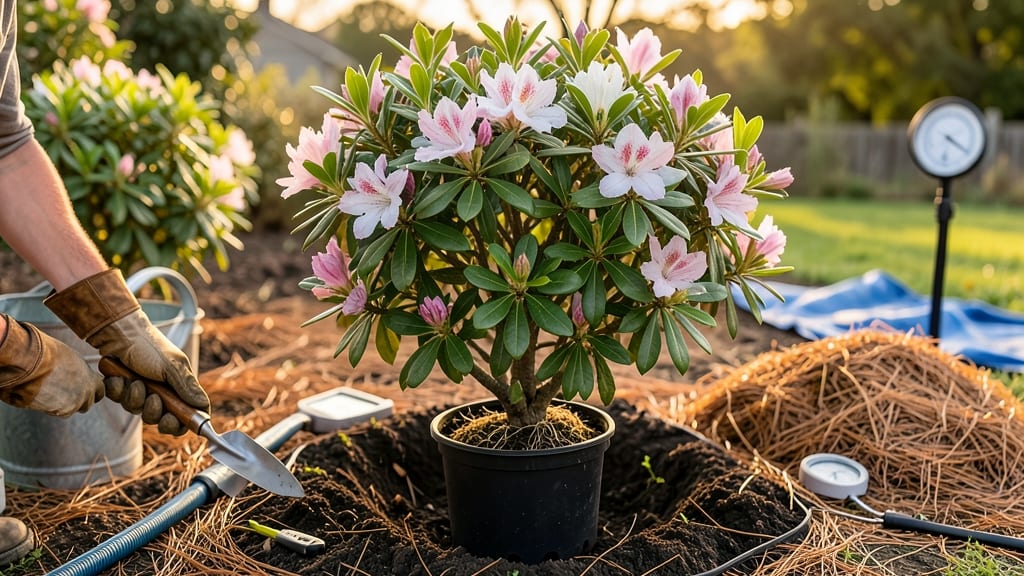
Planting azaleas in Arkansas at the wrong time can mean the difference between vibrant blooms and struggling shrubs—especially when chill hours and seasonal shifts play such a big role.
The key to success lies in choosing the right window, whether you're in the cooler 7a zones of the north or the milder 8b areas of the south.
Fall planting, between October and November, is your best bet for most varieties, giving roots time to establish before winter. But did you know some azaleas need 900+ chill hours to bloom? That's why timing matters—plant too late, and you might miss the chill period entirely.
I’ve learned the hard way that spring planting (early March) works too, but only if you pick cold-hardy varieties like 'Girard’s' or 'Hershey’s'. These thrive in Arkansas’s climate, but even they need the right soil prep—acidic, well-draining, and shaded just right.
Ready to avoid common mistakes? Let’s break down exactly when, where, and how to plant azaleas for reliable blooms—no guesswork, just results. Your garden will thank you.
Best planting months for azaleas in Arkansas based on chill hours
Arkansas gardeners know azaleas thrive when planted during their dormant season, which aligns with fall temperatures and chill hour accumulation. The ideal window spans October through November, giving roots time to establish before winter dormancy.
This timing ensures robust blooms the following spring, as azaleas need 300–900 chill hours (below 45°F) to trigger flowering.
Northern Arkansas (USDA Zones 6–7a) benefits from planting in early October to capitalize on cooler temps and higher chill hours. Southern Arkansas (Zones 7b–8a) can extend planting until mid-November, though early November is safer to avoid late-season heat stress.
Always check your local last frost date—planting too late risks winter damage before roots establish.
Chill hours are critical: varieties like 'Girard’s' (600+ hours) thrive in northern regions, while 'Southern Indigo' (300+ hours) suits southern Arkansas. Planting in fall lets roots acclimate naturally to winter conditions, reducing transplant shock. For container-grown azaleas, water deeply before planting to minimize stress.
| Region | Best Planting Window | Chill Hours Needed | Key Consideration |
|---|---|---|---|
| Northern Arkansas (Zones 6–7a) | Early October – Mid-November | 600–900 hours | Cooler temps; prioritize 'Girard’s' or 'Hershey’s' varieties |
| Southern Arkansas (Zones 7b–8a) | Mid-October – Early December | 300–600 hours | Warmer winters; choose 'Southern Indigo' or 'Oconee' |
| Transition Zones (7a–7b) | Late September – Late October | 450–700 hours | Flexible timing; test soil pH (4.5–6.0) for best results |
Spring planting is possible in early March (before buds swell), but fall remains superior. Azaleas planted in spring may struggle with heat stress before roots establish. If spring planting is unavoidable, water deeply every 3–5 days and use shade cloth to protect young plants from intense sunlight.
Soil preparation is non-negotiable: Arkansas’s native clay often needs organic matter (compost or pine bark) to improve drainage. Test soil pH—azaleas demand acidic conditions (pH 4.5–6.0).
Amend with sulfur or peat moss if your soil tests above 6.0. Planting in well-draining, slightly acidic soil prevents root rot and ensures vibrant blooms.
Mulch heavily (3–4 inches) with pine straw or wood chips to retain moisture and regulate soil temperature. Avoid mulching too close to the stem base, as this can cause rot.
In northern Arkansas, apply mulch in late fall to protect roots from freezing. Southern regions can mulch in early winter to extend the growing season.
Container-grown azaleas need extra care: water thoroughly before planting and avoid letting roots dry out. In Arkansas’s humid climate, ensure containers have drainage holes to prevent root suffocation.
For in-ground planting, dig a hole twice as wide as the root ball to encourage outward root growth, which stabilizes the plant faster.
After planting, water deeply to settle soil around roots, then water weekly for the first month. Reduce frequency in winter months (water only if soil is dry). Fertilize lightly in early spring with an acid-loving plant fertilizer (10-10-10) to support new growth.
Avoid heavy feeding in summer, as azaleas enter dormancy during Arkansas’s heat.
Monitor for aphids or lace bugs, common pests in Arkansas’s azaleas. Early fall planting reduces stress, making plants more resilient to pests. If you notice yellowing leaves or stunted growth, check for overwatering or nutrient deficiencies.
Adjust care based on your azalea’s variety-specific needs—some thrive in partial shade, while others tolerate morning sun.
Remember: patience is key. Azaleas planted in fall may not bloom until the second year, but proper timing ensures decades of reliable blooms.
With Arkansas’s diverse microclimates, always adjust for your specific location—mountain regions may need earlier planting, while river valleys can extend the window slightly.
Top azalea varieties for Arkansas and their exact planting requirements
Arkansas’s humid subtropical climate (USDA Zones 7a–8b) makes it ideal for cold-hardy azaleas that thrive with 300–900 chill hours. The right variety ensures stunning spring blooms and minimal winter stress. Here are the top 5 azalea types that flourish in Arkansas, along with their specific planting needs.
From early-blooming ‘Hershey’s Kiss’ to late-season ‘Southern Indigo’, these varieties are chosen for their Arkansas adaptability. Each requires precise timing—plant too early, and summer heat will stress roots; too late, and blooms may suffer. Let’s dive into the best choices and their exact requirements.
For northern Arkansas (Zones 7a–7b), prioritize varieties like ‘Girard’s’ or ‘Southern Indigo’—they handle colder winters with ease. In southern Arkansas (Zones 8a–8b), ‘Hershey’s Kiss’ or ‘Coral Bells’ excel with their lower chill hour needs. Always plant 6–12 inches deep and 2–3 feet apart for optimal airflow.
Soil prep is critical: Arkansas’s clay-heavy soils need amended organic matter (like pine bark) to improve drainage. Test your soil’s pH (4.5–6.0)—azaleas won’t bloom without the right acidity. After planting, mulch with 3–4 inches of pine straw to retain moisture and regulate temperature.
Timing your fall planting (October–November) gives roots time to establish before winter. If you must plant in spring (March), choose dwarf varieties like ‘Angela’ to reduce transplant shock. Water deeply 2–3 times weekly for the first month, then taper to weekly deep soaks once established.
Remember: Arkansas’s humidity can invite azalea lace bug or powdery mildew. Monitor leaves for yellowing or webbing—early intervention with neem oil saves your shrubs. With the right variety and care, your azaleas will reward you with years of vibrant blooms.