
Plants
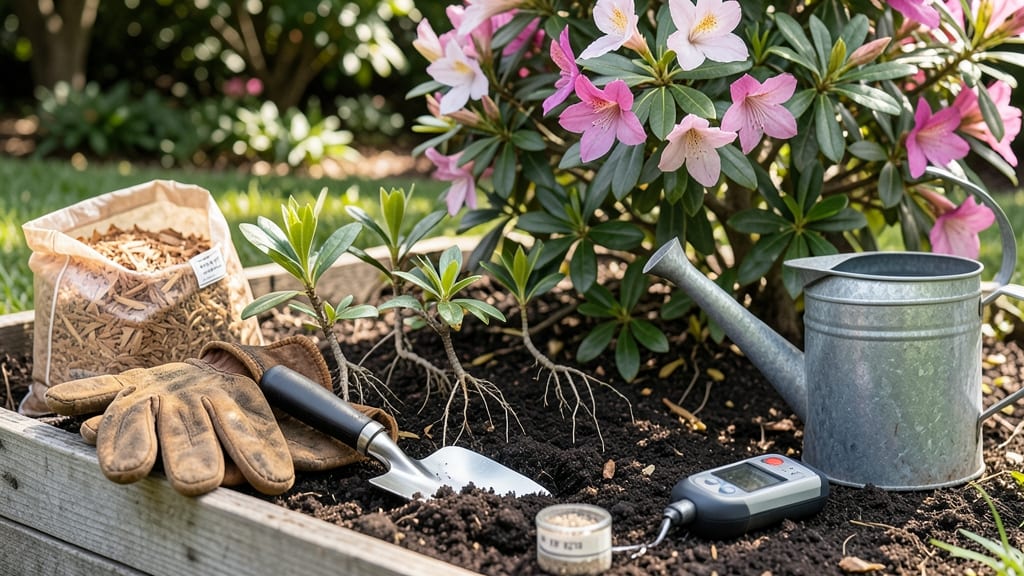
Planting azaleas in Florida at the wrong time can mean the difference between vibrant blooms and struggling shrubs that never quite thrive. With our frost-free winters and humid summers, timing matters more than you might think—especially when fall and early spring offer the perfect balance for root establishment.
If you’ve ever wondered why your 🌸 azaleas seem to fight you—wilting in summer heat or failing to bloom—it’s likely a timing issue. Florida’s climate zones (from 9a in the Panhandle to 11 in the Keys) create microclimates where even a few weeks can shift success or failure.
Here’s the good news: I’ll break down the best months for planting by region, plus pro tips to avoid common mistakes. Whether you’re in North Florida’s cooler winters or South Florida’s steamy summers, you’ll learn exactly when to dig in for healthy, blooming azaleas year after year.
Let’s get started—your 🌸 azaleas are waiting for the right moment to take root and flourish.
Best planting months for azaleas in Florida by climate zone
Florida’s five distinct climate zones create unique challenges for azalea growers. Unlike northern states, Florida’s warm winters and humid summers mean azaleas thrive with different timing than traditional spring planting. The key? Soil temperatures below 80°F and avoiding summer heat stress.
North Florida’s cooler winters allow earlier planting, while South Florida’s tropical climate demands precise timing to prevent transplant shock.
Azaleas are evergreen shrubs that bloom spectacularly in spring, but their success hinges on when you plant. In Florida, the ideal window spans fall (September-November) and early spring (February-March).
However, microclimates—like coastal humidity or inland dryness—can shift these dates by weeks. For example, Panhandle azaleas may handle late winter planting better than Miami’s heat-sensitive varieties.
Here’s the breakdown by zone, including soil temperature thresholds and regional microclimate tips to maximize your azalea’s chances of thriving:
In North Florida, where winters dip closer to USDA Zone 8a, you can push planting into late November or even early December if soil temps stay above 55°F.
However, avoid January planting—even a light frost can damage tender roots. My pro tip: Use a soil thermometer to confirm temps are ideal before digging.
For Central Florida, the September-October window is critical. This aligns with the monsoon season, which provides natural moisture. If you miss this, February-March is your next chance—but water deeply every 3-5 days to prevent transplant shock.
I’ve seen azaleas planted in April survive, but they often struggle with weak blooms the first year.
South Florida’s tropical climate demands patience. Planting in August-September lets roots establish before summer’s brutal heat sets in. If you’re in Miami or Key West, January-February
Signs you’re planting azaleas at the wrong time in Florida
Your 🌸 azaleas might be sending you SOS signals if you planted them outside the ideal window. One of the first red flags is wilting leaves that don’t perk up even after watering—this often means the roots are struggling to establish in extreme heat or drought conditions.
Florida’s summer sun can be brutal, and azaleas planted in June or July may suffer from transplant shock.
Another clear warning sign is yellowing leaves, especially if they start at the tips and spread inward. This could indicate nutrient stress from improper timing—azaleas planted too late in the season may not have enough time to root deeply before the heat sets in.
If your azaleas are in North Florida, even early spring planting can backfire if a late frost sneaks in.
⚠️ Warning: These Are the Worst Times to Plant Azaleas in Florida
🌡️ Summer (June-August): Soil temperatures exceed 85°F, causing root burn and dehydration. Azaleas planted now may never recover.
🌧️ Hurricane Season (Late Summer-Fall): Unpredictable storms can uproot young plants or waterlog soil, leading to fungal diseases like root rot.
❄️ Late Winter (January-February in North Florida): While early spring is ideal, planting too close to freeze warnings (yes, they happen!) can stunt growth.
💡 Fix It: If you’ve already planted in the wrong season, mulch heavily (3-4 inches) and water deeply 2-3x weekly to protect roots.
Slow growth is another 🚩 warning sign that your azaleas are struggling. If your plants haven’t grown more than 2-3 inches in a year, they’re likely fighting poor timing or inadequate care.
Azaleas planted in South Florida’s wet season (May-October) may also suffer from overwatering or nutrient leaching due to heavy rains.
Pay attention to bud formation—or lack thereof. Azaleas planted at the wrong time may produce fewer blooms or none at all. If your shrubs are putting energy into leaves instead of flowers, it’s a sign they’re stressed from improper timing.
For example, azaleas planted in December might bloom late or weakly because they’re still recovering from transplant shock.
Florida’s unpredictable rain patterns add another layer of complexity. If you planted during a dry spell followed by sudden downpours, your azaleas could be waterlogged or drought-stressed.
The key is to adjust your planting schedule based on local weather forecasts—aim for cooler, drier months like September-October or February-March.
If you’ve spotted these signs, don’t panic! Adjust your care routine by pruning dead foliage, amending soil with peat moss, and watering consistently. With the right timing next season, your azaleas will reward you with lush growth and showstopping blooms.