
Plants
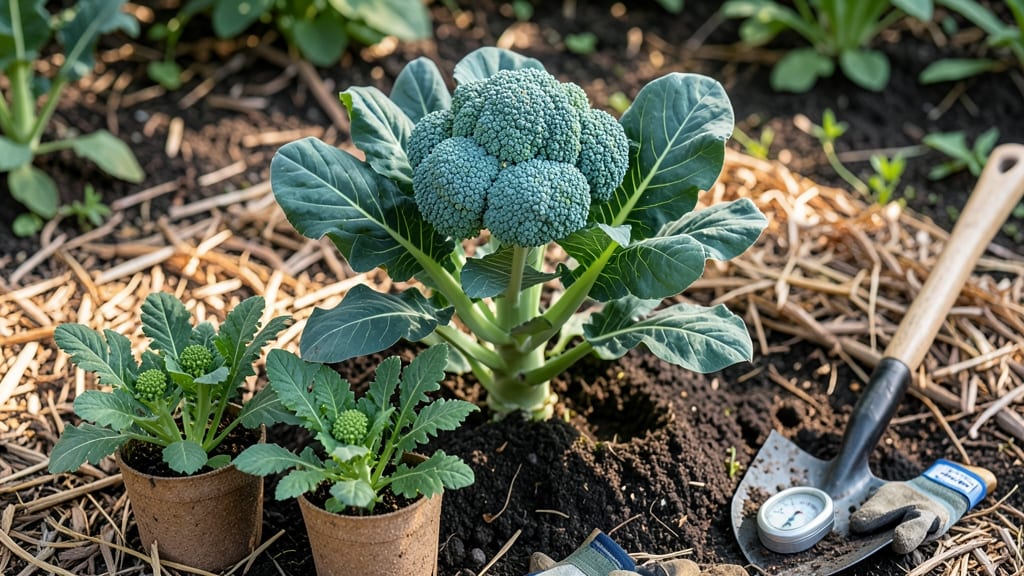
Planting broccoli in Central Florida at the wrong time means watching your 🥦 turn bitter or bolt before you even get a harvest. The key to success? Timing your seeds for cooler months when the heat won’t send your plants into early flowering mode.
Most gardeners here make one big mistake: they wait too late for fall or plant too early in spring. That’s why I’ve tested the exact September-October window for fall crops and February-March for spring—these months give your broccoli the perfect balance of warmth to germinate and cooler temps to thrive.
But here’s the catch: Central Florida’s microclimates (like coastal humidity vs. inland dryness) can shift your ideal dates by 2-3 weeks. I’ll show you how to adjust for your specific zone and avoid the 3 most common mistakes that ruin broccoli before harvest.
Ready to grow head-sized, flavorful broccoli instead of sad, stunted plants? Let’s dive into the exact schedule—and pro tips—to make your fall garden a success.
Best planting months for broccoli in Central Florida (with exact dates)
Broccoli thrives in Central Florida’s cooler seasons, but planting at the wrong time leads to bitter, bolted heads. The key is timing—fall and spring windows where soil temps stay 60-75°F and humidity is lower.
Miss these months, and your plants will race to flower before you get a harvest. Let’s break down the exact windows for Orlando, Tampa, and Gainesville, plus microclimate tweaks to maximize success.
Central Florida’s USDA Zone 9a means we avoid summer heat stress but must work around unpredictable frosts. The first frost typically hits late December, while the last frost arrives around mid-January.
This creates a tight window for fall planting—late summer to early fall—and a spring window that starts 2-3 months before last frost. Get this wrong, and you’ll end up with yellowing florets instead of crisp, green heads.
Here’s the golden rule: Plant broccoli when soil temps are 60-75°F and daytime highs stay below 85°F. In Central Florida, that means September-October for fall and February-March for spring.
But don’t just follow a calendar—adjust for your local microclimate. Coastal areas like Tampa stay warmer longer, while inland spots like Gainesville cool down faster. We’ll cover those adjustments next.
⚠️ Critical Note: Broccoli bolts (goes to seed) when stressed by heat or drought. In Central Florida, this happens fast—sometimes in as little as 2 weeks if temps climb above 80°F during head formation. That’s why shade cloth and consistent watering are non-negotiable in our climate.
For fall planting, aim to get seeds in the ground by mid-October in most of Central Florida. In Tampa’s coastal microclimate, wait until early October—the humidity and warmth linger longer, and broccoli will bolt faster.
Meanwhile, Gainesville’s inland climate cools quicker, so you can start as early as mid-September without risking heat stress.
Spring planting is trickier because Central Florida’s last frost is mid-January, but soil warms slowly. Start seeds indoors 8-10 weeks before your target transplant date (around December 20th for most areas).
Transplant seedlings outdoors by mid-February to give them 60-70 days of cool weather before summer heat hits. In Orlando’s urban heat islands, push transplanting to late February to avoid early bolting.
One common mistake is planting too late in fall or too early in spring. If you miss the window, broccoli will bolt prematurely, turning your tender florets into bitter, seed-filled stalks.
For example, planting in November might yield tiny heads by January, but they’ll be small and tough. Similarly, spring plantings after March 15th often bolt by May when temps climb above 85°F.
To extend your harvest window, try shade cloth (30-50%) during summer months or opt for heat-tolerant varieties like ‘De Cicco’ or ‘Calabrese’. These can handle slightly warmer temps (up to 80°F
How to extend broccoli season in Central Florida’s heat (pro tips)
Central Florida’s summer heat and humidity spikes can send broccoli plants bolting faster than you can say "pest pressure." But with the right strategies, you can extend your harvest window by months.
The key lies in heat management, succession planting, and choosing varieties that won’t surrender to the 90°F+ afternoons.
I’ve grown broccoli in Orlando’s USDA Zone 9a for years, and these proven techniques keep my plants producing through late spring—when most gardeners give up. Let’s dive into the game-changing tactics that work in our high-heat, high-humidity climate.
- 1. Use 30% shade cloth during peak summer months (June-August) to keep soil temps below 85°F. Install over plants by 10 AM and remove by 4 PM to maintain light exposure.
- 2. Plant heat-tolerant varieties like ‘De Cicco’ or ‘Waltham 29’, which handle 88°F+ temps better than standard varieties. Start seeds indoors 6-8 weeks before your target outdoor date.
- 3. Implement succession planting every 2 weeks from September through February. Staggered plantings ensure a continuous harvest and reduce pressure on any single crop.
- 4. Water deeply at soil level using drip irrigation or soaker hoses early morning only. Avoid overhead watering to prevent fungal diseases like downy mildew, which thrives in Florida’s humidity.
- 5. Mulch with 3-4 inches of straw or pine bark to keep roots 5-10°F cooler and retain moisture. Replenish mulch every 4-6 weeks as it breaks down.
One of my biggest lessons learned? Don’t skip the soil prep. Amend your beds with 2-3 inches of compost before planting to improve water retention and nutrient availability. In Central Florida’s sandy soils, this makes all the difference during dry spells.
For spring plantings, start seeds indoors in late January and transplant outdoors after the last frost date (mid-January). Use row covers for the first 2 weeks to protect young plants from unpredictable cold snaps that can still occur in early spring.
Finally, harvest regularly—even small heads—to encourage side shoots and prolong production. I’ve had plants keep producing for 3-4 months using these methods, with some varieties even rebounding after harvest to give you a second crop.
With these heat-beating strategies, you’ll turn Central Florida’s challenging climate into your broccoli’s superpower. 🌱🥦