
Plants
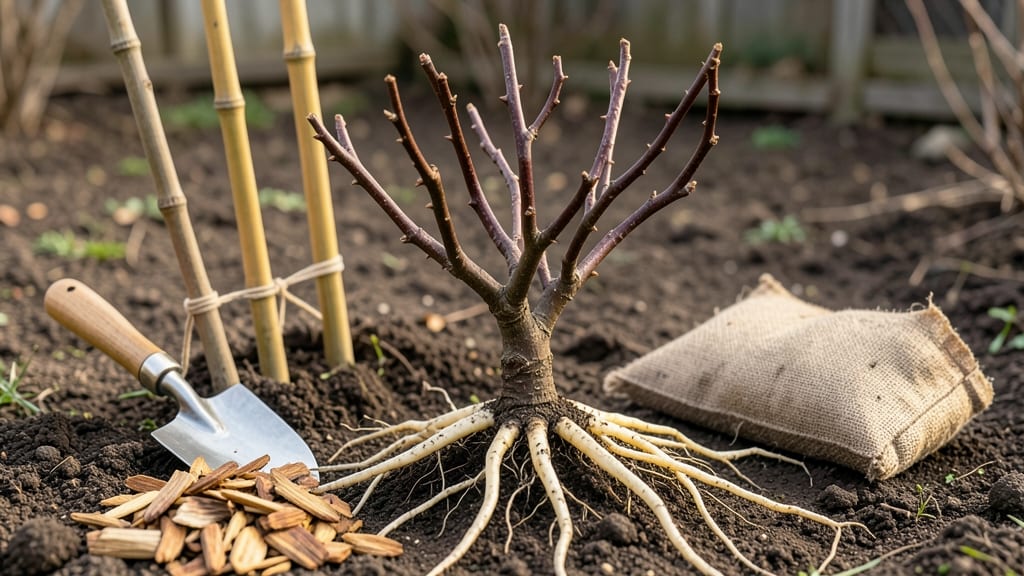
Planting bare root roses in Zone 8 at the wrong time can turn your dream garden into a gamble—especially when those cool, damp weeks before last frost make all the difference.
The key isn’t just when you plant, but how you prepare your soil and roses for Zone 8’s mild winters, where frost sneaks in earlier than you’d expect.
Most gardeners in Zone 8 rush to plant in late winter, but that’s often too early. I’ve learned the hard way that waiting until 4-6 weeks before your average last frost date (usually mid-March in most of Zone 8) gives roots time to establish without racing against heat or drought.
That window is your golden opportunity for strong, resilient blooms.
Why does timing matter so much? Because bare root roses need cooler soil temperatures—ideally between 40-50°F—to wake up without stress. In Zone 8, that means avoiding the late fall rush (unless you’re in a microclimate with early frosts) and skipping summer entirely.
Let me walk you through the exact steps to time your planting for success.
From soil prep to post-planting care, we’ll cover everything you need to know to give your 🌹 the best start. Whether you’re a first-timer or a seasoned gardener, these tips will help you avoid common mistakes and set your roses up for years of vibrant blooms.

Zone 8 bare root rose planting timeline: exact weeks before last frost
In Zone 8, where winters are mild but frost can still surprise you, timing your bare root rose planting is critical. Planting too early risks frost damage, while waiting too long means missed root growth opportunities.
The ideal window is 6-8 weeks before your average last frost date, giving roots time to establish before summer heat arrives.
For most of Zone 8 (which spans from Southern California to Georgia), this means planting between mid-November and early March. However, your exact timing depends on local microclimates—coastal areas may have a later frost date than inland regions.
Always verify using USDA frost maps and adjust for your specific location.
Here’s the key: Soil temperature should be between 40°F and 50°F at planting time. If your soil is warmer, roots may dry out before establishing. Use a soil thermometer to check—this is your best tool for precision planting.
Let’s break down the exact planting windows and what to watch for in your Zone 8 garden. The table below shows the ideal timing, soil conditions, and microclimate adjustments to ensure your roses thrive from day one.
To find your exact last frost date, start with the USDA Plant Hardiness Zone Map. Look up your Zone 8a or 8b designation, then check local weather records for the average last frost date.
For example, San Diego (Zone 10) has a later frost date than Atlanta (Zone 8a), so adjust accordingly.
Next, account for your microclimate. A south-facing slope warms up faster than a north-facing yard, while urban areas can be 5-10°F warmer than rural spots. If you’re unsure, observe nearby fruit trees or ornamental plants—their bloom times can hint at your local frost patterns.
Once you’ve nailed down your frost date, mark your planting window on a calendar. For Zone 8, aim to plant 6-8 weeks before frost, but never later than early March.
This gives roots 4-6 weeks to establish before summer’s heat stress begins. Use a gardening journal to track soil temps and note adjustments for next year.
Pro tip: If your soil is too warm (above 55°F), delay planting until conditions cool. You can also pre-chill bare root roses by storing them in a cool, moist location (like a garage) for 1-2 weeks before planting. This mimics winter dormancy and helps roots stay dormant longer.
Finally, after planting, mulch heavily (3-4 inches of organic mulch) to insulate roots and retain moisture. This is especially critical in Zone 8’s mild winters, where light frosts can still occur.
With the right timing and care, your bare root roses will burst into bloom by summer, rewarding your precision planting.
Signs your Zone 8 soil is ready for bare root roses (and what to do if it isn’t)
Zone 8 gardeners know timing matters—especially for bare root roses. The soil must be cool but workable, with temperatures between 40°F and 60°F. This window typically falls in late winter to early spring, but your exact timing depends on local microclimates and soil type.
Heavy clay soils common in Zone 8 stay cold longer, while sandy soils warm up faster. Let’s check your soil’s readiness before digging in.
First, test your soil temperature at a depth of 6 inches. Use a soil thermometer or bury a glass jar with water overnight—if the water doesn’t freeze, your soil is safe. For bare root roses, aim for 50°F to 55°F.
This ensures roots establish before summer heat arrives. Moisture is equally critical: damp soil (not soggy) helps roots grow faster. Stick your finger in—if it feels like a wrung-out sponge, you’re good to go.
⚠️ callout warning ⚠️
🌡️ Zone 8 Frost Risk Alert
Don’t rush planting if frost is forecasted within 2–3 weeks. Bare root roses need 4–6 weeks to establish roots before facing cold snaps. Check your local USDA frost calendar—Zone 8’s last frost often lands between mid-January and early March, but microclimates (like urban heat islands) can shift this by 2–4 weeks. If frost looms, delay planting or use row covers for protection.
If your soil is too cold or frozen, don’t force planting. Instead, amend the soil with compost or aged manure to warm it faster. For heavy clay soils, mix in sand or perlite to improve drainage.
Sandy soils? Add peat moss or coconut coir to retain moisture. Work these amendments into the top 12 inches of soil at least 1–2 weeks before planting to let them integrate naturally.
Moisture levels are another key factor. Overly dry soil stresses roots, while waterlogged conditions can cause rot. Aim for soil that’s 60% moisture—like a damp sponge. If your soil drains too quickly, create a basin around the planting hole to capture water.
For slow-draining clay, raise beds or plant on mounds to prevent water pooling. Mulch with wood chips after planting to lock in moisture and regulate temperature.
What if frost delays your schedule? Emergency solutions include using black plastic mulch to warm soil faster or planting in containers that can be moved indoors during cold snaps. For late arrivals, choose disease-resistant varieties like 'Knock Out' roses, which tolerate cooler soils better.
Always prune damaged roots before planting and soak roots in water or rooting hormone for 1–2 hours to jumpstart growth.
Finally, observe your garden’s natural cues. When daffodils bloom (a classic sign) or daytime highs consistently reach 60°F, it’s time. In Zone 8, this often aligns with late February to early March, but adjust based on your soil’s unique behavior.
Patience here pays off—well-established roots mean healthier blooms all season long. 🌹