
Plants
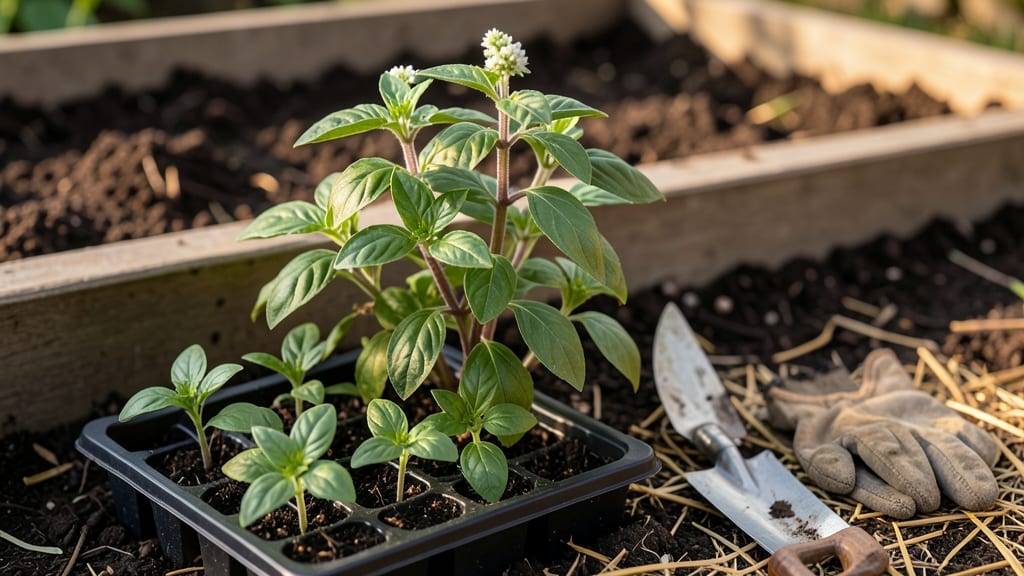
Planting basil at the wrong time in California can turn your fresh herbs into bitter, stunted plants—but timing it right means a flavorful harvest all season long.
The key difference? Coastal areas like San Francisco thrive with year-round planting, while inland valleys need to wait until soil warms to 55°F to avoid frost damage.
Most gardeners assume spring is the only window, but fall planting actually works better in many regions. By starting seeds in September, you’ll have fresh 🌿 basil ready for Thanksgiving dishes before summer heat stresses the plants.
And if you live in zones 10-11, you can even grow basil through winter with minimal protection.
Here’s the game-changer: succession planting every 2-3 weeks keeps your kitchen stocked without gaps. Whether you’re in LA’s mild coastal climate or Sacramento’s hotter valleys, I’ll show you exactly when to plant for maximum yield—and how to spot (and fix) common mistakes that ruin flavor.
Ready to grow basil that tastes like a Italian restaurant? Let’s break down the exact coastal vs. inland schedules so you never waste seeds again.
California basil planting calendar: coastal vs inland start dates
California’s diverse climate means your basil planting timeline should match your region’s microclimate. Coastal areas like San Francisco and Los Angeles enjoy mild winters and warm summers, while inland zones like Sacramento and the Central Valley face hotter summers and cooler nights.
Even desert regions like Palm Springs require adjustments to avoid stressing your plants. Let’s break down the optimal planting windows for each zone to ensure sweet, flavorful leaves all season.
In coastal California, the last frost date is rarely a concern—most areas stay frost-free year-round. However, soil temperatures below 50°F can slow germination.
For inland valleys, the average last frost typically falls around December 15, but microclimates in higher elevations (like the Sierra foothills) may experience frost as late as January 15.
Desert regions like Palm Springs can plant almost anytime, but summer heat demands extra care to prevent bolting.
Here’s how to align your basil planting schedule with California’s USDA zones 9a-11, including adjustments for coastal fog belts, inland heat spikes, and desert microclimates.
For coastal gardeners, the best time to plant basil is in early spring (January–February) for a spring harvest or late summer (September–October) for a fall crop.
The mild coastal climate allows for year-round growth, but avoid planting during summer heatwaves (June–August), which can cause bolting or bitter flavors. Instead, opt for partial shade during peak afternoon heat.
In inland valleys, where summers are hot and dry, timing is critical. Plant basil seeds or transplants in early spring (February–March) to beat the heat.
If you want a fall harvest, sow seeds in late summer (August) and move plants to partial shade by mid-September to extend the season. Never plant during June or July—the intense heat will cause your basil to bolt prematurely.
Desert regions like Palm Springs offer unique challenges. The arid climate and intense sunlight require strategic planting. Aim for fall planting (October–November) to take advantage of cooler temperatures and shorter days
How to extend your basil harvest: succession planting for continuous yields
If you’ve ever planted basil once and watched it bolt into flower before you could harvest half the leaves, you’re not alone. The secret to a year-round basil supply in California lies in succession planting—staggering your plantings every 2-3 weeks to keep fresh leaves coming.
This method works especially well in our mild coastal climates and even inland zones with proper adjustments.
By planting new batches at regular intervals, you’ll avoid the bitter bolting phase and enjoy tender leaves from spring through fall. Even in USDA Zone 10a (like San Diego or Sacramento), you can extend harvests into winter with container-growing tricks.
Let’s break down the exact timing and techniques for your region.
For succession planting, start with 6-8 seeds per pot or direct-sow 3 seeds every 2-3 weeks. Thin seedlings to the strongest 2 plants per pot to avoid competition. Use biodegradable pots for transplanting to minimize root disturbance—this keeps your basil stress-free and productive.
Pro tip: Mark your planting dates on a garden calendar or use a reminder app to stay on schedule. If you miss a planting window, don’t worry—basil self-seeds easily in mild climates, so you might find volunteer plants popping up unexpectedly!
With this method, I’ve harvested fresh basil every 2 weeks from February to November in my Zone 10b garden—no bitter flavors, no wasted plants. The key is consistency and microclimate awareness. Try it this season and enjoy continuous yields all year round! 🌿