
Plants
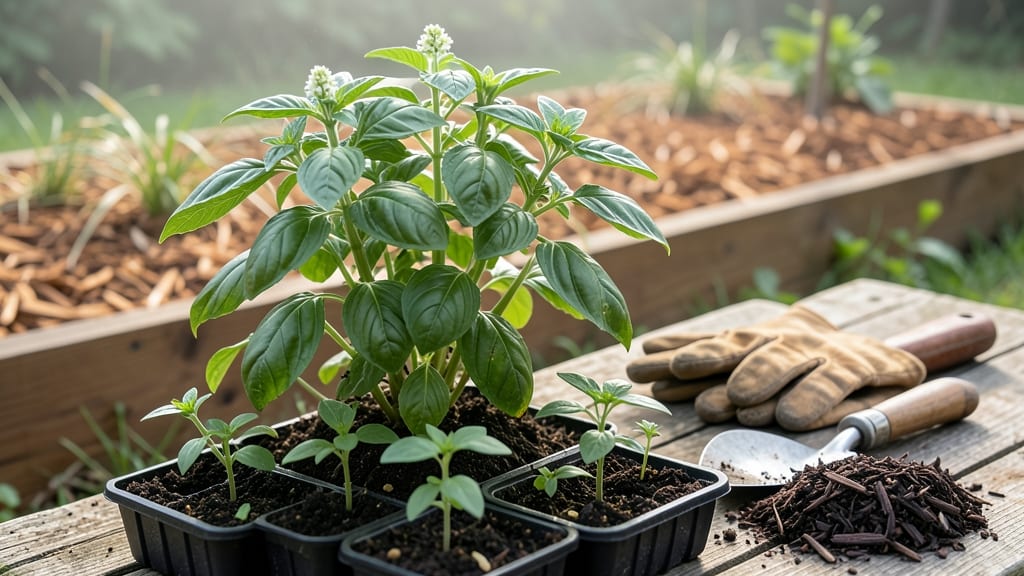
Planting basil in Michigan at the wrong time can mean the difference between a thriving herb garden and wasted effort—because those late spring frosts don’t care about your plans. The key to success? Timing it just right, when soil warmth and frost-free forecasts align for your specific county.
I’ve seen firsthand how Genovese basil wilts under Michigan’s unpredictable weather, and it’s not just about avoiding frost. The real secret lies in understanding your USDA zone—whether you’re in Detroit’s Zone 6 or Traverse City’s Zone 5—and when to transplant seedlings for maximum flavor before summer heat sets in.
In this guide, I’ll break down the exact planting windows by county, including soil temperature thresholds and microclimate tips for urban vs. rural spots. Plus, I’ll share how to extend your harvest season with cold protection—so you can enjoy fresh basil from pesto to salads all summer long.
Ready to grow basil that actually thrives? Let’s dive into the frost-free timeline that’ll make your Michigan garden the envy of the neighborhood.
Michigan basil planting timeline by USDA hardiness zones
Michigan's USDA Zones 4-6 create unique challenges for growing basil, a warm-season herb that thrives in 60-85°F soil temperatures. In Zone 4 (Upper Peninsula), your last frost can arrive as late as May 20-30, while Zone 6 (southern Michigan) typically sees frost-free conditions by April 20-25.
These differences mean your planting window can vary by 3-4 weeks across the state.
For sweet basil varieties like 'Genovese', timing is critical—plant too early in cool soils, and seedlings will rot. Too late, and you'll miss the 60-75 days needed for a full harvest before Michigan's first fall frost (October 1-15, depending on your zone).
My pro tip: Use soil thermometers to confirm 60°F+ soil temps before transplanting, especially in northern Michigan.
Genovese basil, the classic Italian variety, demands even more precision. Its larger leaves and slower maturation mean you must start seeds 4-6 weeks indoors in Zone 4 or 3-4 weeks indoors in Zone 6. Sweet basil varieties like 'Spicy Globe' are more forgiving, tolerating slightly cooler soils and shorter seasons.
Here’s the county-by-zone breakdown you need to plan your basil harvest—including ideal transplant dates and soil temperature thresholds for each Michigan region:
| USDA Zone | County Examples | Avg Last Frost | Soil Temp for Transplant | Ideal Transplant Window | Genovese Start Indoors |
|---|---|---|---|---|---|
| Zone 4 | Marquette, Houghton, Iron | May 20-30 | 60°F+ | June 1-15 | April 15-May 1 |
| Zone 4b | Traverse City, Grand Rapids | May 5-15 | 55°F+ | May 20-June 5 | April 1-May 15 |
| Zone 5 | Lansing, Kalamazoo, Jackson | April 25-May 10 | 50°F+ | May 10-25 | March 20-April 15 |
| Zone 6a | Detroit, Ann Arbor, Toledo | April 15-20 | 45°F+ | April 25-May 10 | March 1-April 1 |
In Zone 4, where frosts linger, I recommend container growing for basil—it lets you move pots to protected microclimates (like near south-facing walls) when nighttime temps dip.
For Genovese basil, start seeds indoors under grow lights 6 weeks before your last frost date, then harden off seedlings for 10-14 days before transplanting.
For southern Michigan (Zone 6), you can push your season further by planting a second crop in late July. This gives you 6-8 weeks of harvest before fall frosts hit.
Use black plastic mulch to warm soil faster and row covers to extend the season by 2-3 weeks in both spring and fall.
One common mistake I see in Michigan gardens? Planting basil too close to spring and ending up with leggy, weak seedlings from cool, slow-growing conditions. To avoid this, wait until soil temps hit 55°F+ (use a soil thermometer!) and give plants 6+ hours of sunlight daily.
In shady urban gardens
How to extend your Michigan basil season: starter tips and cold protection
Michigan's cool springs and late frosts can sabotage your basil dreams if you're not prepared. The key to success? Starting early and protecting your plants when temperatures dip. I've learned that even a single night below 32°F can destroy tender basil seedlings, so I always plan ahead.
For me, the secret lies in a two-pronged approach: starting seeds indoors 6-8 weeks before your last frost date, then hardening them off before transplanting.
This gives your basil a head start and extends the growing season by weeks. But even with early planting, Michigan's unpredictable weather demands extra protection.
🌱 Michigan Basil Planting Timeline
Start Indoors: Mid-March (6-8 weeks before last frost)
Transplant Outdoors: After May 15 (when soil reaches 55°F)
Use Row Covers: Until June 1 (protects from late frosts)
First Harvest: July 1 (60-75 days after transplanting)
My go-to method for cold protection is lightweight floating row covers. These allow sunlight and air to pass through while blocking frost damage.
I've found that covering basil plants after sunset and removing them mid-morning gives them the best of both worlds—protection from overnight chills and full sun exposure during the day.
Don't forget about container growing, which gives you flexibility to move plants indoors when temperatures drop. I keep my potted basil on a sunny windowsill or under grow lights when nights get chilly. This simple trick has let me harvest basil well into October in my Zone 6 garden.
When it comes to harvesting, timing is everything. For maximum flavor, I pick leaves when plants are 6-8 inches tall and continue harvesting regularly to encourage new growth. In Michigan, I aim to finish harvesting by mid-October before the first hard frost hits, usually around October 15-20.
Remember, basil is sensitive to cold but thrives in warmth. With these strategies, you can enjoy fresh basil from early summer through fall—just in time for those last-minute tomato sauces before winter sets in. 🌿