
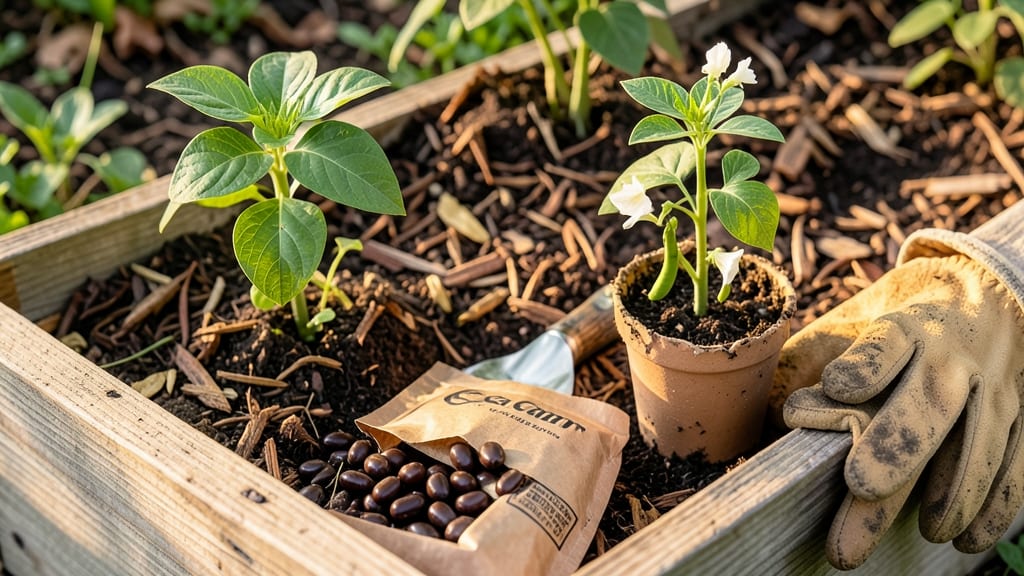
When to Plant Beans in Iowa: Exact Dates by County for Peak Yield

Plants

When to Plant Beans in Iowa: Exact Dates by County for Peak Yield

Planting beans in Iowa isn’t just about throwing seeds into the dirt—it’s about catching that sweet 30-day window between frost and summer’s relentless heat. Miss it, and you’re left with wilted plants or a harvest so small it barely covers your dinner plate.

But here’s the good news: with Iowa’s 5a-6b climate, you’ve got more flexibility than you think.

Most gardeners in the Cornhusker State start their 🌱 beans between April 15 and June 1, but the exact timing depends on where you live. Southern Iowa can push it to early May, while northern counties might wait until late May to avoid late frosts.

The key? Soil that’s warm enough—60°F+—and at least two weeks after the last frost date.

I’ll break down the best planting dates by county, plus pro tips for choosing between bush and pole beans. Whether you’re a first-timer or a seasoned gardener, this is how you turn Iowa’s short growing season into a bounty of fresh, homegrown beans.

Ready to stop guessing and start growing? Let’s get those seeds in the ground at the perfect moment for your corner of the state.

🌱 When to Plant Beans
Jan ❄️
Feb ❄️
Mar 🌱
Apr 🌱
May 🌱
Jun 🌱
Jul 🌱
Aug ☀️
Sep 🍂
Oct 🍂
Nov 🍂
Dec ❄️
Ideal Time
Also Good

Iowa bean planting dates by county: frost-free zones & soil temps

Iowa’s 99 counties span USDA Zones 4a-5b, creating wildly different planting windows for beans. The key factors? Last frost dates and soil temperatures—beans need 60-70°F soil to germinate reliably.

Northern counties like Lyon or Osceola (Zone 4a) can’t plant until May 15, while southern Appanoose or Davis (Zone 5b) can start as early as April 20. Let’s break it down by region.

Most Iowa gardeners follow the "two-week rule": plant beans 2 weeks after the average last frost date. But this varies by microclimate. Urban areas like Des Moines (Polk County) warm up faster than rural Cherokee County near the Missouri border.

Always check your local extension office for updates—2023 saw 10-day shifts in frost dates across Iowa.

Soil temperature is non-negotiable. Use a soil thermometer to confirm 60°F+ at 2-inch depth. Cold soils delay germination by 3-5 days per degree below 60°F. In Zone 4a, wait until May 20—even if frost risk drops. Southern Zone 5b counties can plant Blue Lake beans as early as April 25 if soils warm early.

Here’s how to adjust for early vs. late varieties:

  • Early varieties (e.g., 'Tendercrop'): Plant 1-2 weeks earlier than average
  • Late varieties (e.g., 'Kentucky Wonder'): Plant 2 weeks later for fall harvests
Early varieties thrive in short-season zones (e.g., Clayton or Fayette), while late varieties extend harvests in longer-season areas (e.g., Lee or Van Buren).

🌱

County Group USDA Zone Avg Last Frost Optimal Planting Window Soil Temp Threshold Notes
Northwest (e.g., Lyon, Osceola, Plymouth) 4a May 15 May 25 - June 10 65°F+ Use row covers; plant late varieties
Northeast (e.g., Allamakee, Clayton, Fayette) 4b May 5 May 15 - May 30 60°F+ Early varieties only; monitor for late frost
Central (e.g., Polk, Story, Jasper) 5a April 25 May 5 - May 20 60°F+ Ideal for most varieties; urban areas plant 1 week earlier
Southwest (e.g., Adair, Ringgold, Taylor) 5b April 15 April 25 - May 10 58°F+ Extend season with black plastic mulch
Southeast (e.g., Appanoose, Davis, Jefferson) 5b April 10

How to adjust bean planting dates for Iowa’s unpredictable weather

Iowa’s unpredictable spring weather can throw off even the most experienced gardeners. A late frost in May or an early heatwave in April means your bean planting dates need flexibility. The key is adapting your approach based on soil temperatures, microclimates, and variety maturity.

Whether you’re in Des Moines or Dubuque, these strategies will help you maximize your harvest despite Iowa’s whims.

Start by monitoring local frost forecasts from the Iowa State University Extension. Their frost-free date maps are updated weekly and can shift your planting window by 1-3 weeks compared to average dates.

For example, if your usual May 1 planting date is threatened by frost, consider switching to fast-maturing varieties like 'Blue Lake', which mature in just 50 days—perfect for squeezing in a harvest before fall.

⚠️ Warning: Late Frost Risk in Iowa

If frost is forecasted within 7-10 days of planting, delay beans by 2-3 weeks or use row covers to protect young seedlings. Iowa’s northern counties (e.g., Winneshiek) often see frost until May 20, while southern areas (e.g., Muscatine) may be frost-free by April 25.

Always check soil temperatures—beans need 60°F+ to germinate.

Extend your growing season with soil warming techniques. Lay down black plastic mulch 2 weeks before planting to raise soil temps by 5-10°F. This is especially useful in northern Iowa, where cool soils delay germination.

Pair this with straw mulch after planting to retain moisture and keep roots cool during heatwaves—a common issue in July-August.

Urban gardeners in Iowa City or Cedar Rapids can leverage microclimate advantages. Sidewalks, brick walls, and rooftops absorb heat, creating urban heat islands that can be 5-10°F warmer than rural areas.

Plant beans near these heat sources 1 week earlier than rural guidelines. Conversely, low-lying areas with poor drainage may stay colder longer—adjust planting dates accordingly.

For pole beans like 'Kentucky Wonder', which take 60+ days to mature, consider succession planting in late May or early June.

This ensures a staggered harvest and reduces risk if early plantings fail. Bush beans, like 'Provider', mature faster (50 days) and are better suited for late starts or northern Iowa where the season is shorter.

Don’t forget row covers! Lightweight fabric can push back frost by 2-4 weeks and protect seedlings from hail or wind. Remove covers when flowers appear to allow bee pollination. Pair this with drip irrigation to maintain consistent moisture—critical during Iowa’s dry spells in June and July.

★★★★★4.7(12 reviews)
Categories Plants