
Plants
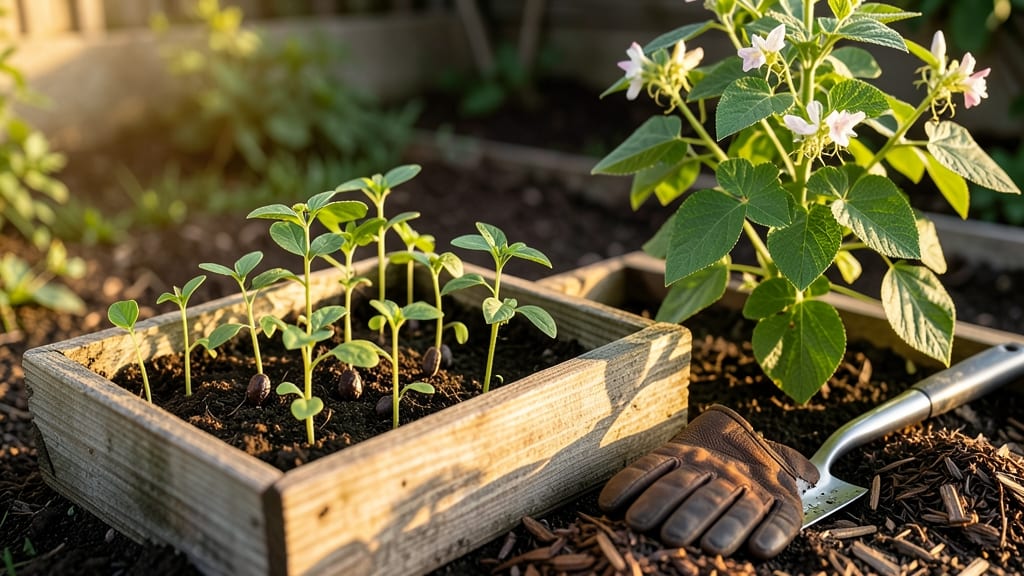
Timing your bean planting in Kentucky just right means the difference between a bumper crop of fresh 🌱 pods and struggling seedlings that never thrive. The key? Waiting until after April 15 when soil temperatures consistently hit 60°F—but don’t wait too late, or your harvest window shrinks fast.
Here in zones 6a-7a, where frost can linger into early April, planting too soon risks cold soil stunting growth. But rushing also backfires—beans planted before the last frost often rot or fail to establish roots.
I’ll show you exactly how to balance these factors, whether you’re in Louisville’s urban heat islands or Bowling Green’s cooler valleys.
You’ll discover three foolproof methods to nail your planting window: tracking soil warmth, adjusting for microclimates, and choosing varieties that suit your county’s frost-free timeline. No more guesswork—just a reliable system that works for both beginners and seasoned gardeners.
Ready to transform your garden? Let’s break down the exact dates you should mark on your calendar, plus pro tips to stretch your growing season for a longer harvest. Your next bean feast starts here.
Kentucky bean planting dates by county: frost-free deadlines & soil warmth zones
Kentucky’s diverse climate means your bean planting success hinges on knowing your last frost date and soil temperature thresholds. Northern counties like Henderson and Hopkinsville face earlier frosts, while Lexington and Louisville enjoy slightly longer growing seasons.
Beans thrive when soil reaches 55°F+, but ideal germination happens at 60-70°F. Miss these windows, and you risk stunted growth or frost damage.
Timing matters even more for pole beans (like Kentucky Wonder) versus bush beans (like Blue Lake). Pole beans need extra warmth to climb trellises, while bush varieties tolerate cooler soil slightly better.
Below, I’ve broken down county-specific planting windows based on historical frost data and soil warmth patterns—so you can plant with confidence.
🌱 Pro Tip: Use a soil thermometer to verify warmth before planting. Even if frost dates pass, cold soil can delay germination by weeks. I’ve included microclimate adjustments for urban areas like Louisville, where concrete can create heat islands.
If you’re in Northern Kentucky, don’t rush—waiting for 65°F soil ensures faster germination. I’ve seen bush beans planted too early rot in cold, wet soil. For pole beans, prioritize May planting to give vines time to establish before summer heat arrives.
In Louisville, urban gardens can be 5-7°F warmer than rural areas, so plant bush beans 1-2 weeks earlier. Use black plastic mulch to warm soil faster if needed.
Meanwhile, Lexington’s fertile soil and longer frost-free season (avg. 165 days) makes it perfect for succession planting—sow new seeds every 2 weeks from April to June for continuous harvests.
✂️ Key Takeaway: Southern Kentucky’s warmer microclimates (like Bowling Green) allow earlier pole bean planting, while Eastern Kentucky’s later frosts demand heat-loving varieties. Always check your local USDA zone (6a-7a) and adjust for elevation—higher areas freeze sooner.
For late-season extensions, try row covers or cold frames to push planting into early June. I’ve had success with Kentucky Blue beans in July plantings when using shade cloth to protect from extreme heat. Just monitor soil moisture—beans wilt faster in summer’s dry air.
Finally, test your soil before planting. Kentucky’s clay-heavy soils benefit from compost amendments to improve drainage. Aim for a pH of 6.0-7.0—beans are forgiving but grow best in slightly acidic to neutral soil.
If your soil tests cold or compacted, add well-rotted manure 2 weeks before planting to boost warmth and fertility.
With these county-specific guidelines, you’ll
How to check soil temperature & extend Kentucky bean planting season
Kentucky’s variable climate means soil temperatures can fluctuate wildly between Northern and Southern regions, making it tricky to time bean planting perfectly. Cold soil below 55°F stunts growth, while late frosts can wipe out young seedlings.
Even experienced gardeners in Lexington or Louisville sometimes guess wrong—so testing your soil’s warmth is a game-changer for a successful harvest.
If you’re eager to plant pole beans or bush beans earlier than the traditional May-June window, row covers and cold-tolerant varieties can buy you 2-3 extra weeks of growing time.
I’ve learned the hard way that Northern Kentucky’s shorter season demands extra care—especially in Henderson or Madison County, where frosts linger longer. Let’s break down how to check soil warmth and stretch your planting season without risking your crop.
- 1
- 2
- 3
- 4
- 5
For Northern Kentucky gardeners, where the growing season is shorter and cooler, I recommend starting seeds indoors 2-3 weeks before your last frost date.
Use grow lights to keep seedlings strong until soil warms—this buys you critical time. Pole beans like ‘Rattlesnake’ or ‘Kentucky Blue’ are my top picks for early planting because they tolerate cooler soils better than bush varieties.
If you’re in Southern Kentucky (e.g., Bowling Green), you might push planting to early April in microclimates like south-facing slopes, where soil warms faster. But always test soil temperature—even a 10°F difference can mean the difference between germination success and rotten seeds.
Pro tip: Black plastic mulch warms soil by 5-10°F in just 2 weeks—perfect for early plantings.
Remember, beans are sensitive to cold, but with the right tools and timing, you can extend your harvest window by 4-6 weeks. I’ve had successful late-July plantings in Lexington that produced beans until early October—all thanks to row covers and careful monitoring.
The key is patience and preparation—don’t rush, and always check soil temperature before committing to the garden.