
Plants
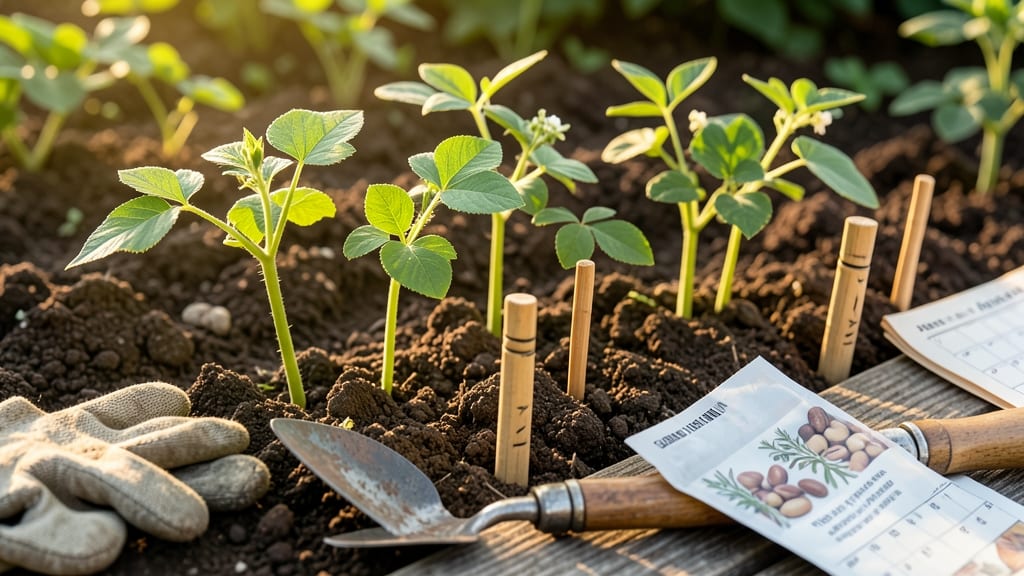
Timing your bean planting just right in Zone 5 could mean the difference between a garden full of 🌱 thriving plants and a season of disappointment. With our short growing window, getting those seeds in the ground at the perfect moment after the last frost is everything.
Most gardeners in Zone 5 wait until soil temperatures hit 60°F—typically around mid-April—but there’s more to it than just the calendar. I’ll walk you through the exact weeks to plant for reliable harvests, whether you’re growing bush beans, pole beans, or specialty varieties.
You’ll also discover how to stretch your growing season with simple tricks like row covers or cold frames, so you can enjoy fresh pods well into fall. No more guessing—just proven strategies for Zone 5’s unique climate.
Let’s get those beans in the ground at the right time so you can enjoy a harvest that’s bigger and better than ever before.

Optimal planting windows for beans in Zone 5: exact weeks before last frost
In Zone 5, where frost can linger until mid-May and return by early October, timing your bean planting is critical. Beans thrive in warm soil and won't tolerate cold—planting too early risks frost damage, while waiting too long cuts your harvest window.
The key is precision: aim for 2-4 weeks after your last frost date, when soil temps hit 60°F+ consistently.
Zone 5's 165 frost-free days create a tight schedule. Bush beans mature in 50-60 days, while pole beans take 60-70 days. This means your first planting must happen by late May to early June to avoid autumn frosts.
For a second harvest, plan a late-summer planting by mid-August, choosing fast-maturing varieties.
Soil temperature is your #1 guide, not calendar dates. Use a soil thermometer—beans need 60°F+ for germination.
In Zone 5, this typically aligns with late May, but cooler springs may push it to early June. Cold soil causes poor germination or stunted growth, wasting your seeds and time.
Your last frost date (usually May 15 in Zone 5) isn't the trigger—wait 2-3 weeks after it. This buffer ensures nighttime temps stay above 50°F, protecting young plants. For extra safety, use row covers or plant near heat-retaining structures like south-facing fences.
For bush beans, start planting May 22-31—this gives them time to mature before July heat stresses the plants.
If you miss this window, your pods may become woody or stringy. Pole beans, which take longer, need a later start (May 29-June 10) to avoid early frost risks.
Don't overlook fall plantings! In Zone 5, you can squeeze in a second harvest by planting August 1-15. Choose short-season varieties like 'Blue Lake' or 'Contender' that mature in 45-50 days.
These will be ready by mid-September, just before frost. Use black plastic mulch to warm soil and extend the season.
If your spring is unusually cold, consider starter kits or biodegradable seed pods. These give beans a head start in cooler soil. Another trick: plant near dark-colored containers or black landscape fabric, which absorb heat and warm the soil faster.
Just ensure the fabric doesn't touch the seeds directly.
Watch for false springs—those warm spells in April that trick you into planting early. Beans won't survive 32°F+ frosts, even as mature plants. Always check your local frost calendar and monitor nighttime temps. A frost blanket can save a young planting if a late frost sneaks in.
For container gardening in Zone 5, plant 1-2 weeks later than in-ground beans. Pots cool faster and are more vulnerable to temperature swings. Use 5-gallon containers
How to adjust planting dates for early, mid, and late varieties in Zone 5
Zone 5 gardeners know that a single planting of beans won’t cut it—our short growing season demands strategic timing to stretch harvests from spring to fall. The key lies in understanding early, mid, and late varieties and how to space them for continuous production.
I’ve learned that planting in two-week intervals after the last frost can double your yield without extra space.
For early varieties like 'Blue Lake' or 'Contender,' aim to plant them 2-3 weeks after your last frost date (typically mid-May in Zone 5). These fast-maturing beans (50-60 days) give you a jumpstart on the season.
Meanwhile, mid-season varieties like 'Kentucky Wonder' (60-70 days) should go in 4-6 weeks later to bridge the gap between early and late harvests.
- 🌱 Early Varieties: Plant 2-3 weeks after last frost (mid-May). Harvest in 50-60 days.
- 🌿 Mid Varieties: Plant 4-6 weeks after early varieties (late May). Harvest in 60-70 days.
- 🌻 Late Varieties: Plant August 1-15 for fall harvest. Choose cold-tolerant types like 'Provider.'
- 🌡️ Soil Temp Check: Wait until soil hits 60°F+ for all plantings.
- ✂️ Succession Tip: Sow every 2 weeks until July 1 for continuous harvests.
Don’t overlook late-season varieties—they’re your ticket to fall harvests. Plant heat-tolerant types like 'Provider' or 'Tendercrop' in early August (8-10 weeks before your first frost). These beans thrive in cooler fall temperatures and can produce pods even as nights grow chilly.
I’ve had success with row covers to extend the season by 2-3 weeks, protecting plants from early frosts.
Companion planting is another game-changer for maximizing yield. Pair beans with corn and squash (the "Three Sisters" method) to improve soil fertility and deter pests. Or try marigolds around the perimeter to repel bean beetles naturally.
These pairings not only boost production but also reduce the need for chemical interventions—something every organic gardener appreciates.
Pro tip: Keep a planting journal to track your exact dates and varieties. Note which combinations worked best in your microclimate. For example, my pole beans planted in late May always outperform those sown in early June because they get more sunlight before summer’s intense heat.
Adjust your schedule based on these observations each year.
With these strategies, you’ll transform your Zone 5 garden into a bean-producing powerhouse, enjoying fresh pods from June through October. The secret? Timing, variety selection, and smart companion planting—not just throwing seeds in the ground and hoping for the best.