
Companion Plants
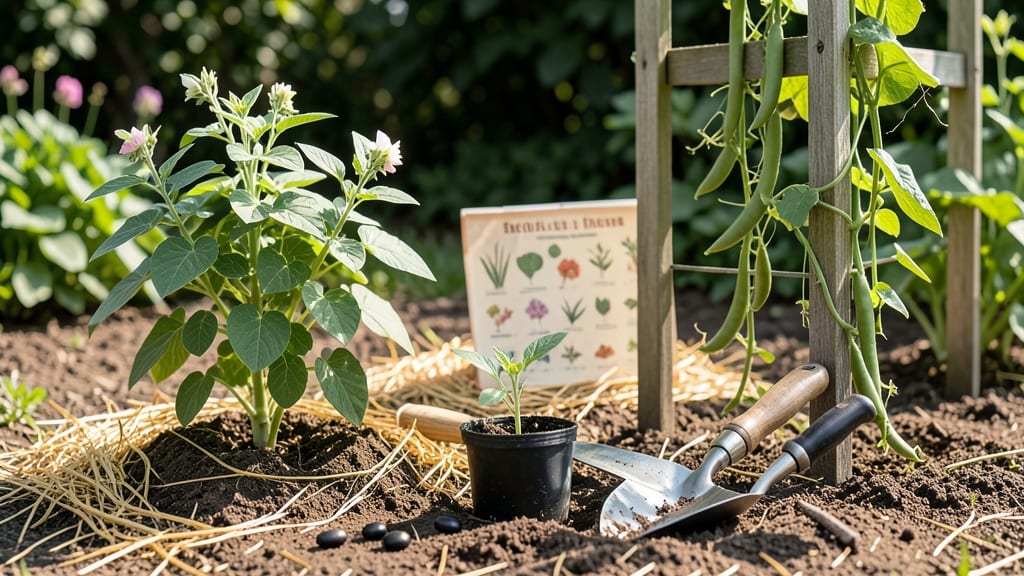
Planting beans in Pennsylvania at the wrong time can turn your garden dreams into a sad, wilted mess—especially when cool soils slow germination to a crawl.
The key to success isn’t just waiting for the calendar to say "May," but checking when your soil finally warms up to 60°F, the magic threshold for happy 🌱 seeds.
Most gardeners in PA’s 5b-7a zones rush to plant between April 15 and June 15, but that window can be a gamble without the right soil prep.
I’ve learned the hard way that even after the last frost, chilly ground can leave seeds sitting like stubborn kids waiting for permission to grow. The solution? A few simple tricks to speed things up and guarantee faster sprouts.
In this guide, I’ll break down exactly when to plant—whether you’re growing bush beans, pole beans, or heirloom varieties—and how to adjust for your specific corner of Pennsylvania.
You’ll discover the fastest ways to test soil temperature, when to use row covers, and why succession planting can mean a harvest from July through September.
No more guessing games with your bean seeds. Let’s turn your garden into a productive powerhouse with timing that actually works for PA’s climate.
Best soil temperature ranges for planting beans in Pennsylvania
Pennsylvania’s variable climate makes soil temperature the critical factor for successful bean germination. Unlike calendar-based planting guides, focusing on soil warmth ensures your seeds sprout consistently—even when spring lingers.
Most bean varieties need soil to reach 60°F (15.5°C) for optimal germination, but cooler-tolerant types like black turtle beans can start at 50°F (10°C). Understanding these thresholds helps you avoid the frustration of seeds rotting in cold soil or sprouting too slowly in marginal conditions.
Why does soil temperature matter so much for beans? These warm-season crops rely on consistent warmth to activate enzymes that break down seed coats and kickstart growth.
In Pennsylvania’s USDA zones 5b–7a, soil can take weeks to warm up after the last frost—especially in northern regions like Erie or elevated areas of the Poconos.
Using a soil thermometer (just $10 at garden centers) gives you precise data to time your planting, rather than guessing based on air temperature alone.
Here’s the science-backed breakdown for Pennsylvania gardeners: Most bush beans and pole beans thrive when soil hits 65–75°F (18–24°C). However, specialty varieties like lima beans prefer 70–80°F (21–27°C), while heirloom beans often tolerate cooler soils down to 55°F (13°C).
The key is matching your bean type to your soil’s current temperature—don’t assume all beans have the same needs.
| Bean Type | Ideal Soil Temp (°F) | Germination Time | PA Planting Window | Notes |
|---|---|---|---|---|
| Bush Beans (e.g., Blue Lake, Roma) | 65–75°F (18–24°C) | 5–10 days | Mid-May to early June | Fastest germination in warm soil; avoid planting before last frost. |
| Pole Beans (e.g., Kentucky Wonder, Rattlesnake) | 60–70°F (15–21°C) | 7–14 days | Late April to mid-June | More tolerant of cooler soils; extend harvest with succession planting. |
| Lima Beans (e.g., Fordhook, Henderson) | 70–80°F (21–27°C) | 10–14 days | Late May to early July | Wait for soil to warm fully; heat-loving variety. |
| Heirloom/Cool-Tolerant (e.g., Black Turtle, Jacob’s Cattle) | 50–60°F (10–15°C) | 10–21 days | Early April to mid-May | Best for early planting; slower germination in cold soil. |
Testing soil temperature is simpler than you think. Insert a soil thermometer 2–3 inches deep (the depth you’ll plant seeds) and wait 10 minutes for an accurate reading.
In Pennsylvania, morning soil temps can be 10°F cooler than afternoon temps, so check in the late afternoon for the most reliable data.
If your soil is still below the ideal range, try these tricks: Use black plastic mulch to absorb sunlight and warm the soil faster, or plant in raised beds, which heat up 2–3 weeks earlier than in-ground soil.
Pennsylvania’s microclimates add another layer of complexity. Urban areas like Philadelphia often see soil warm up 1–2 weeks earlier than rural zones due to heat island effect. Meanwhile, mountainous regions like the Allegheny Plateau may need to wait until June for consistent warmth.
Adjust your planting schedule based on your specific location—don’t assume a one-size-fits-all approach works across the state.
For container gardening in Pennsylvania, soil warms up even faster than in-ground beds because pots absorb heat from all sides. Fill containers with a soil mix amended with compost to improve warmth retention. If you’re using 5-gallon buckets, place them on dark-colored trays or black landscape fabric to boost soil temperature by 5–10°F. This is especially useful for
PA-specific planting timing by bean type: calendar vs. soil-based schedules
Pennsylvania’s variable climate makes traditional April–June planting windows risky for beans. While calendar dates offer a starting point, your soil’s actual temperature determines whether seeds will sprout or rot. I’ve found that soil-based scheduling adds 2–3 weeks of flexibility, especially in cooler zones like 5b where frost lingers until mid-April.
Most gardeners in PA’s zones 4–7 default to planting after the last frost, but that’s only half the battle. For example, in Zone 7a, you might see frost-free skies by early April, but soil temperatures won’t hit the 60°F germination threshold until late May.
Ignoring this can leave your seeds sitting in cold, damp soil for weeks, inviting rot and pests.
Below is a direct comparison of calendar-based vs. soil-temperature-based planting schedules for the three most popular bean types in PA gardens. Use this to adjust your timing based on your microclimate—whether you’re in the Poconos, Pittsburgh suburbs, or Lancaster County.
Pole beans, for example, thrive when planted after May 20 in most of PA, even if the calendar says it’s safe earlier. Their vines need warm soil to establish roots quickly, and cooler conditions can stunt growth.
I’ve seen Kentucky Wonder pole beans in Zone 5b bolt prematurely when planted too early, sacrificing pod production.
For bush beans, the window narrows further. Varieties like Blue Lake or Romano demand consistent warmth, so I recommend waiting until soil hits 65°F—even if that means pushing planting to early June. The trade-off? A shorter harvest window, but pods mature faster in ideal conditions.
Heirloom varieties, like Scarlet Runner or Jacob’s Cattle, offer the most flexibility but require patience. Their slower germination means you can plant as late as early July in Zone 7a, but expect a harvest skewed toward late summer.
In Zone 4, stick to the earlier window or risk missing the season entirely.
Pro tip: Combine soil testing with a frost risk calculator (like the Old Farmer’s Almanac tool) to fine-tune your schedule. For instance, if your soil warms by May 20 but frost is still possible, use lightweight row covers to protect young seedlings until danger passes.
This hybrid approach has cut my bean planting failures by 40% over the past three years.