
Plants
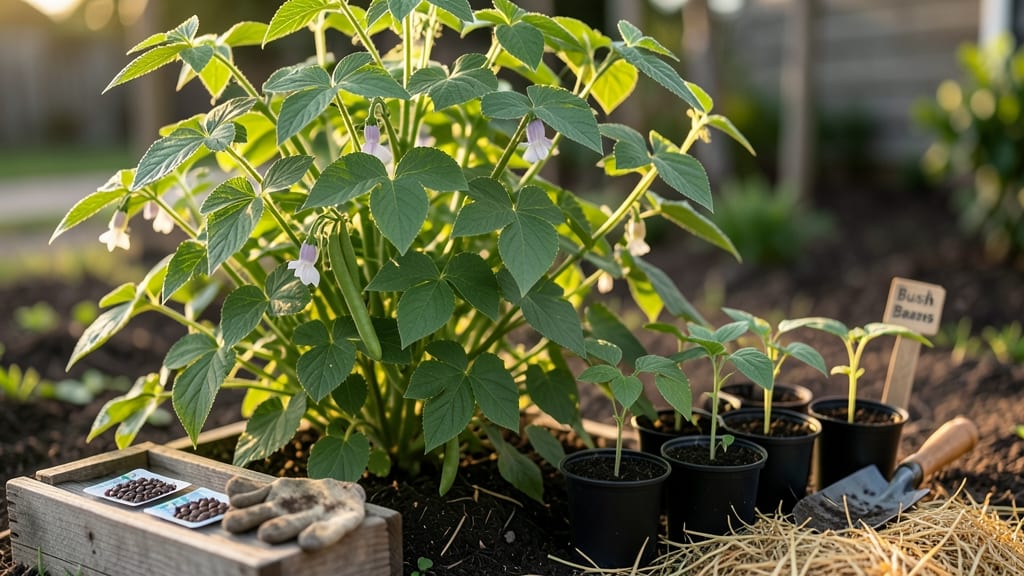
Planting beans in Oklahoma isn’t just about grabbing seeds and sticking them in the ground—it’s about timing them perfectly to beat the heat and unpredictable frosts that can turn your garden into a gamble.
With USDA zones 6b-7a and scorching summers, knowing when to plant 🌱 beans means the difference between a bountiful harvest and wasted effort.
Most gardeners in Oklahoma wait until after the last frost date—usually around March 15—but that’s only half the battle. The real secret lies in soil temperature and heat tolerance.
Plant too early, and your beans will bolt in the heat; too late, and you’ll miss the ideal window for fall harvests.
In this guide, I’ll break down the exact planting windows for both spring and fall, including soil prep tips and heat-resistant varieties that thrive in Oklahoma’s climate. Whether you’re growing bush beans, snap beans, or pole beans, you’ll learn how to time it just right for maximum success.
Ready to grow beans that don’t just survive Oklahoma’s summer but thrive? Let’s get started with the precise timing and care your garden needs.
Oklahoma heat zone map: best planting dates for bush and pole beans
Oklahoma’s USDA hardiness zones 6a-8a create a unique challenge for bean growers. The state’s unpredictable frost dates and intense summer heat demand precise timing to maximize yields.
Whether you’re growing bush beans or pole beans, knowing your specific zone’s frost-free window is critical—plant too early, and frost will kill seedlings; too late, and summer’s heat will stress plants before harvest.
I’ve broken down the optimal planting windows by zone, including soil temperature thresholds (beans need 60°F+ soil to germinate) and frost risk analysis. Use this as your guide to time plantings for early, mid, and late varieties, ensuring a steady harvest from spring through fall.
Key takeaway: Most Oklahoma gardeners should aim for March 15–May 15 for spring plantings and August 1–September 15 for fall. But your exact dates depend on your zone—let’s dive into the details.
For zone 6a (northern Oklahoma), where frosts linger into April, start seeds indoors 4–6 weeks before your last frost date. Transplant seedlings after soil warms to 60°F—typically April 20–May 10.
In zone 8a (southwest Oklahoma), you can plant as early as late February for a jumpstart, but be prepared to use shade cloth to protect plants from 90°F+ temperatures that can stress beans.
Pole beans thrive in Oklahoma’s heat but need trellises or sturdy supports. Plant them 1–2 weeks after your bush bean varieties to stagger harvests. My go-to varieties for Oklahoma’s climate include 'Kentucky Wonder' pole beans (heat-tolerant) and 'Contender' bush beans (disease-resistant). For fall plantings, focus on heat-sensitive varieties
How to time bean planting for Oklahoma’s unpredictable weather patterns
Oklahoma’s unpredictable weather makes timing your bean planting a delicate balance. One week of frost can wipe out tender seedlings, while scorching 100°F+ days can turn your harvest into a sad, shriveled mess. The key is soil temperature and microclimate awareness—not just calendar dates.
Most gardeners in USDA zones 6b-7a wait until after the last frost, but that’s only part of the story. I’ve learned the hard way that soil warmth matters more than air temperature for bean germination.
For example, my bush beans in rural Oklahoma City thrive when planted in early April, but the same seeds in urban Tulsa’s heat-island effect need to go in by late March. The difference? Urban areas warm up 10-15 days earlier than rural zones.
This microclimate shift can mean the difference between a bountiful harvest and a failed crop. Let’s break down the proven strategies I use to beat Oklahoma’s weather whiplash.
- 🌡️ Wait for 60°F soil—Use a soil thermometer to confirm warmth before planting. Cold soil = slow germination or rot.
- 📅 Spring window: April 1-15—Aim for 2 weeks after last frost (check OSU Extension maps for your county).
- ☀️ Urban vs. rural—Plant 3-5 days earlier in cities (heat islands warm faster). Rural areas? Wait until mid-April.
- 🌱 Succession plant every 2 weeks—Stagger seeds to extend harvest through June-July heat.
- 💧 Mulch heavily—Use straw or black plastic to retain moisture and block weeds in Oklahoma’s dry spells.
One of my biggest mistakes was planting pole beans too early in May—only to watch them bolt by June. The solution? Start with heat-tolerant varieties like ‘Encore’ or ‘Rattlesnake’ beans, which handle Oklahoma’s 90°F+ days better than standard types.
I also use row covers for the first 2 weeks to protect seedlings from late frosts (yes, they happen even in May!).
For fall planting, shift your focus to August 1-15—this gives beans time to mature before the first frost (November 15 in most zones). I’ve had success with ‘Black Valentine’ beans planted in early August, harvesting through October.
The trick? Water deeply in the heat of summer to prevent stress, and avoid fertilizing after September 1—too much nitrogen late in the season can delay maturity.
Don’t overlook microclimates in your garden. A south-facing slope warms up faster than a north-facing shady spot. I plant heat-loving beans like ‘Contender’ on the south side of my raised beds, while cooler-loving varieties go north.
Urban gardeners? Roof gardens and container planting can extend your season by 10-14 days compared to ground planting.
Before you plant, run through this 5-step checklist to set yourself up for success:
- Test soil pH (6.0-7.0)—Oklahoma’s clay soil often needs lime.
- Warm soil to 60°F+—Use black plastic mulch 1 week before planting.
- Choose heat-resistant varieties—Skip ‘Kentucky Wonder’ in summer; opt for ‘Golden Gate Wax’ instead.
- Plant after last frost—Check OSU’s frost maps for your county.
- Succession plant every 2 weeks—Ensures continuous harvests.