
Plants
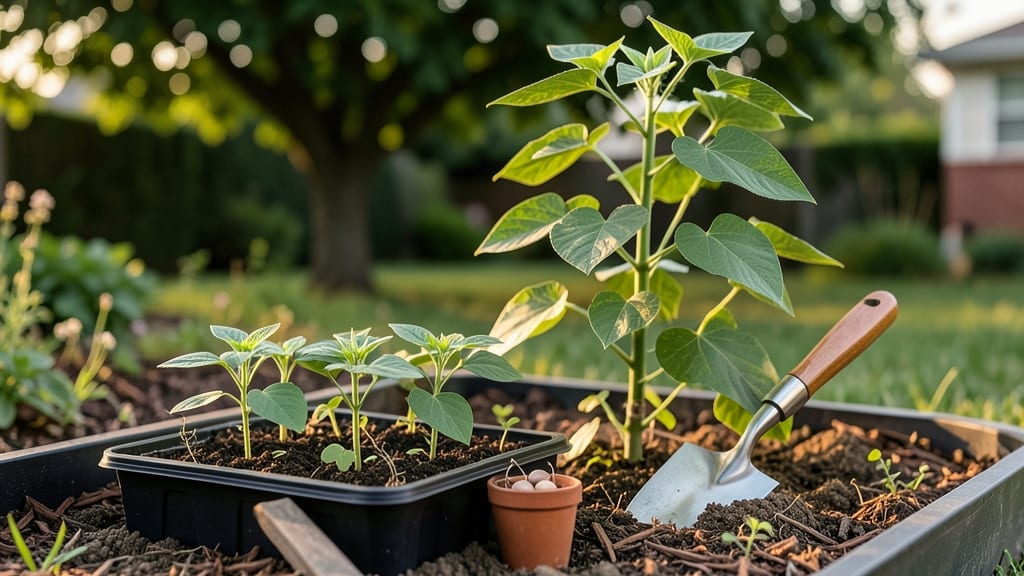
Timing your bean planting in Seattle can feel like a high-stakes game of chance—get it wrong, and you might end up with sad, stunted 🌱 plants or miss the harvest window entirely.
The city’s mix of coastal chill and inland warmth means what works in one neighborhood might fail just miles away.
Most gardeners swear by mid-April to early June for spring plantings, but Seattle’s USDA Zone 8a climate throws a wrench into that plan. Coastal areas near Puget Sound often stay cooler longer, while inland spots like Bellevue can dry out faster.
The key? Watching for soil temperatures to hit 60°F—that’s your green light to plant.
Don’t overlook fall plantings either—late July to August gives you a second chance for a harvest before frost. Whether you’re a first-time gardener or a seasoned pro, knowing these local tweaks can mean the difference between a bumper crop and a bust.
I’ll break down exactly when to plant for your specific microclimate, plus pro tips to beat Seattle’s rainy season and extend your growing window. Let’s get those beans in the ground at the perfect moment!
Seattle bean planting calendar: coastal vs inland timing differences
Seattle’s microclimates create a unique challenge for gardeners—what works in coastal areas like Bainbridge Island might fail in inland spots like Bellevue. The Puget Sound moderates temperatures, while inland zones experience hotter summers and earlier frosts.
For beans, this means timing your planting could mean the difference between a bountiful harvest and a sad, wilted plant.
Beans thrive in warm soil (at least 60°F) and consistent sunlight, but Seattle’s rainy springs and cooler summers demand precision.
Coastal areas typically have later last-frost dates (around May 15) compared to inland zones (often April 20), meaning your planting window shifts depending on where you live. Let’s break down the exact timing for both regions.
🌱 Pro Tip: Use a soil thermometer to confirm warmth—beans won’t germinate in cold soil, no matter the calendar date. Aim for 60-70°F for best results.
For coastal Seattle, the last-frost date often lingers until May 15, giving you a later planting window than inland areas. This means you can safely direct-sow beans in late May or even early June, especially for heat-tolerant varieties like 'Blue Lake.'
The cooler, wetter coastal climate also means you’ll need to protect young plants from slugs and fungal diseases—consider using row covers or diatomaceous earth.
In contrast, inland Seattle (think Bellevue or Kenmore) warms up faster, with last-frost dates as early as April 20. This allows for earlier plantings, starting in mid-April if you’re using cold-hardy varieties like 'Provider' or 'Kentucky Wonder.'
However, inland areas can also experience hotter summers, so planting too early might stress your beans before they mature. Stagger your plantings every 2 weeks to extend your harvest.
Both regions can benefit from a second planting in late July for a fall harvest. By this time, the soil is still warm (thanks to summer heat), and beans can mature before the first frost hits in mid-October.
Choose fast-maturing varieties (like 'Blue Lake' or 'Contender') to ensure success. 🌱 Remember: Fall-planted beans need full sun and consistent moisture to thrive.
If you’re unsure about your local microclimate, observe your neighbors’ gardens—when their dahlias or tomatoes are flowering, it’s often a sign that the soil has warmed enough for beans.
Alternatively, use a planting calendar like the Washington State University Extension’s frost-free date maps for precise guidance. 🌿 Pro Tip: Inland areas may also experience earlier soil warming in south-facing beds, so prioritize those spots for early plantings.
One critical adjustment for Seattle gardeners is accounting for rainfall patterns. Coastal areas receive consistent moisture, while inland zones may experience drier spells in summer. Mulch heavily (with straw or wood chips) to retain soil moisture and prevent cracking.
For pole beans, which need steady water, consider installing a drip irrigation system to deliver 1-2 inches of water weekly without over-saturating the soil.
Finally, don’t overlook succession planting. By sowing new seeds every 2 weeks from mid-May to July, you’ll enjoy a continuous harvest through September. This strategy works especially well in inland areas, where the growing season is shorter.
For coastal gardeners, focus on late-summer plantings to avoid overlapping harvests and ensure each batch gets the nutrients and space it needs.
With these regional adjustments, you’ll nail the perfect planting window for beans in Seattle—whether you’re basking in the coastal breeze or sweating through an inland heatwave. Happy planting! 🌱☀️
5 Signs your Seattle garden is ready for bean planting (and how to adjust)
Seattle’s cool, rainy springs can delay planting, but don’t wait too long—beans need warm soil (at least 60°F) to thrive. I’ve learned the hard way that planting too early means stunted growth, while waiting too late risks shorter harvests before fall rains return.
The key is watching for these 5 clear signs your garden is finally ready.
First, check your soil temperature with a simple thermometer. If it consistently hovers around 60°F for 3+ days, your beans will germinate reliably. Coastal areas like West Seattle often hit this mark by mid-May, while inland spots like Bellevue may be ready by late April.
Pro tip: Test in the morning sun—soil warms faster there, giving you an early read.
Use a soil thermometer—60°F+ means it’s time. Coastal areas lag 2-3 weeks behind inland spots.
Watch local dandelions or peas—if they’re flowering, your beans are ready too.
When cherry trees drop most leaves, soil warmth peaks—ideal for planting.
If you’re using floating row covers, plant 2 weeks early—they add 5-8°F warmth.
For late plantings, use a cold frame to extend season by 3-4 weeks.
Next, observe your neighbor’s gardens. If their dandelions or peas are already flowering, your beans are ready too. These plants are early indicators of soil warmth.
I once planted beans in early May based on my neighbor’s flowering peas—only to have them rot in 3 days of unexpected rain. Lesson learned: Combine this sign with soil tests for accuracy.
Another foolproof method? Watch for leaf drop on trees like cherry or apple. When most leaves hit the ground, soil temperatures typically peak—perfect for beans. This usually aligns with late May to early June in Seattle, but coastal areas may be 2 weeks later.
Pro tip: Pair this with a black plastic mulch to warm soil faster if you’re eager to plant.
For those who want to extend the season, use floating row covers or cold frames. I’ve planted beans as late as July 1st with row covers and still harvested by September.
These tools add 5-8°F warmth, protecting seedlings from cool nights and early fall rains. Just remember to remove covers during pollination (when flowers appear) to avoid interfering with bee activity.
Finally, if you miss the spring window, don’t despair—Seattle’s fall planting can be just as productive. Aim for late July to early August, using cold-hardy varieties like ‘Provider’ or ‘Tendergreen’.
These beans mature quickly (45-50 days) and can handle cooler temps before frost. Just be sure to harvest before October 15th, Seattle’s average first frost date.
Timing beans in Seattle is all about reading your microclimate and adjusting with tools. Whether you’re watching soil thermometers, neighbor gardens, or extending the season with covers, these signs will help you maximize your harvest—no guessing game required. Happy planting! 🌱