
Plants
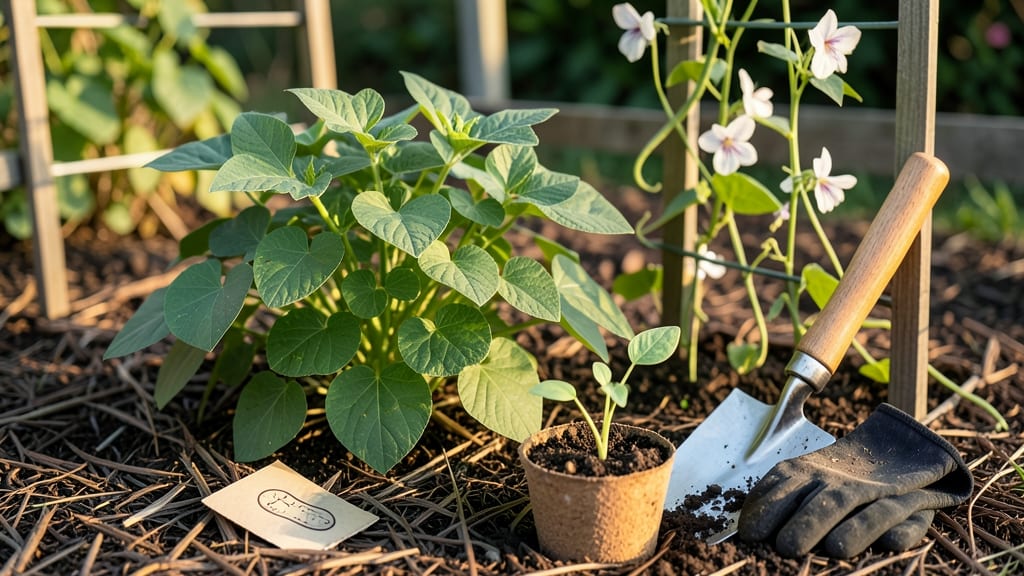
Timing your bean planting just right in Zone 7 could mean the difference between a fast, bountiful harvest and struggling with slow germination or stunted growth. The key isn't just waiting until spring—it's knowing when your soil has warmed enough to give those 🌱 beans the perfect start.
Most gardeners in Zone 7 rush to plant as soon as the last frost passes, but cold soil can stall seeds for weeks. I've learned the hard way that patience pays off—waiting for soil temperatures to hit at least 60°F ensures your beans sprout within 5-7 days instead of weeks.
Whether you're growing bush beans for quick harvests or pole beans for a longer season, the right timing maximizes your yield. Let me show you exactly when to plant for faster growth and how to test your soil without fancy tools.
From late April through early May, your garden can transform from a patch of dirt to a productive bean patch—if you get the timing right. Ready to turn your Zone 7 garden into a bean-growing powerhouse?

Optimal bean planting times in Zone 7 based on soil temperature
Beans thrive in Zone 7's warm soil, but planting too early when temperatures are still cool can stall germination and invite rot.
The key to success lies in waiting for soil to reach at least 60°F (15°C)—a threshold that typically aligns with late April to early May in most of Zone 7. This timing ensures your seeds sprout quickly and grow into vigorous plants ready for harvest in 60-75 days.
For pole beans, which need more time to mature, aim for early planting when soil hits 65°F (18°C). Bush beans and runner beans, however, can tolerate slightly cooler soil (60°F/15°C) and may even benefit from a late summer planting in August for a fall harvest before frost.
Understanding these nuances helps you avoid the common mistake of planting too soon, only to watch your seeds rot in cold, damp soil.
Here’s the critical detail: soil temperature matters more than air temperature. A sunny spring day might feel warm, but if the soil hasn’t absorbed that heat, your beans will struggle. Use a soil thermometer (or the "elbow test") to confirm readiness—this simple tool can save you weeks of frustration.
In my Zone 7 garden, I’ve learned that rushing planting by even 10 days too early can cut germination rates by 50%.
Let’s break down the ideal planting windows for each bean type in Zone 7, along with the soil conditions that set them up for success.
The table below summarizes when to plant, what to watch for, and how to adjust based on your local microclimate—whether you’re in the cooler coastal areas or the warmer inland valleys of Zone 7.
| Bean Type | Optimal Planting Window | Soil Temp Requirement | Days to Harvest | Zone 7 Risks |
|---|---|---|---|---|
| Pole Beans | Late April - Early May | 65°F (18°C) minimum | 60-75 days | Slow growth if planted before soil warms |
| Bush Beans | Mid-April - Late May | 60°F (15°C) minimum | 50-60 days | Rot if soil is too cold or wet |
| Runner Beans | Late May - Early June | 62°F (17°C) minimum | 65-80 days | Heat stress if planted too late |
| Late Summer (Fall) Planting | August (6-8 weeks before frost) | 60°F (15°C) minimum | 50-60 days | Frost damage if planted too late |
If you’re planting in cooler microclimates (like higher elevations or shaded areas in Zone 7), delay planting until soil reaches 65°F (18°C)—even if your neighbors are already harvesting. In warmer inland zones, you might start as early as mid-April, but always verify with a soil test.
I once planted bush beans in early April in my shady garden spot, and only 30% of seeds germinated—a costly lesson!
For pole beans, which need more time to mature, prioritize early planting when soil hits 65°F (18°C). These varieties benefit from the longest growing season, so don’t rush them. Bush beans, on the other hand, are more forgiving and can handle slightly cooler soil (60°F/15°C).
They’re also perfect for succession planting—sow new seeds every 2 weeks from May through June to extend your harvest into early fall.
Late summer planting in August is a game-changer for Zone 7 gardeners. By this time, the soil has baked under the sun, and beans can germinate quickly for a fall harvest before the first frost (typically mid-October).
Choose heat-tolerant varieties like 'Black Valentine' or 'Contender' for this window. Just be sure to plant 6-8 weeks before your first frost date to ensure mature pods before cold sets in.
One of the biggest mistakes I see in Zone 7 gardens is planting beans based on calendar dates rather than soil temperature. For example, someone might plant on April 15th because "that’s when I always do it," only to find their seeds sitting in cold soil for weeks.
Instead, use a soil thermometer (they’re cheap and worth it) or the elbow test: stick your arm in the soil for 10 seconds—if it feels warm (like a hot bath), it’s ready for beans
How to test soil warmth for beans: a step-by-step guide
Beans thrive when soil temperatures reach at least 60°F—any colder, and germination slows or fails entirely. In Zone 7, early spring can still bring chilly nights, so testing soil warmth before planting is critical.
I’ve learned the hard way that rushing beans into cold soil leads to weak seedlings that struggle to compete with weeds.
Don’t worry if you don’t own a soil thermometer—there are simple DIY methods to check if your garden is ready. The key is consistency: test soil warmth at the same time each day (morning is best) for 3 consecutive days to account for daily fluctuations.
This ensures you’re planting at the optimal time for your microclimate.
Why soil warmth matters: Beans are sensitive to cold, and temperatures below 50°F can delay germination by weeks. Warmer soil (above 65°F) speeds up sprouting, giving you a head start on pests and diseases. In Zone 7, this often means waiting until late April or early May—but your exact timing depends on your local frost dates and soil conditions.
🌱 Step-by-Step Soil Warmth Test for Beans
-
Step 1: Choose Your Method
- Soil Thermometer: Insert probe 2 inches deep (where seeds will be planted) and read temperature.
- DIY Elbow Test: Press your inner elbow against the soil—if it feels warm but not hot, it’s likely 60-65°F.
-
Step 2: Test at the Right Time
- Test soil between 10 AM and 2 PM when it’s warmed by sunlight.
- Avoid testing after rain or in shaded areas—these skew results.
-
Step 3: Check for 3 Days
- Record temperatures for 3 consecutive days—consistent 60°F+ means it’s safe to plant.
- If temps dip below 55°F at night, delay planting by 1-2 weeks.
-
Step 4: Adjust for Your Zone 7 Microclimate
- Coastal areas: Soil warms faster—plant 1-2 weeks earlier.
- Inland/valleys: Wait until late May if nights are still chilly.
-
Step 5: Plant When Ready
- Sow seeds 1 inch deep in rows 18-24 inches apart.
- Use black plastic mulch to warm soil faster if you’re eager to plant early.
If your soil is still too cold, don’t despair—there are ways to trick it into warming faster. Lay down black plastic mulch 1-2 weeks before planting to raise soil temperature by 5-10°F.
You can also plant warm-season cover crops like buckwheat in early spring to boost soil heat naturally. Just avoid planting directly into cold, wet soil, as this invites fungal diseases like damping-off.
Remember, Zone 7’s last frost date is typically around mid-April, but soil warmth lags behind air temperature. By testing soil warmth, you’ll avoid the heartbreak of slow-growing beans or worse—no germination at all.
Once you’ve mastered this method, you’ll be able to predict planting times like a pro, even in years with unpredictable weather.
For extra peace of mind, keep a garden journal to track soil temperatures and planting success. Over time, you’ll notice patterns in your specific microclimate—maybe your garden warms up faster than your neighbor’s, or certain spots stay cold longer.
This knowledge will help you fine-tune planting times for years to come. Happy testing, and may your beans grow strong and steady! 🌱