
Plants
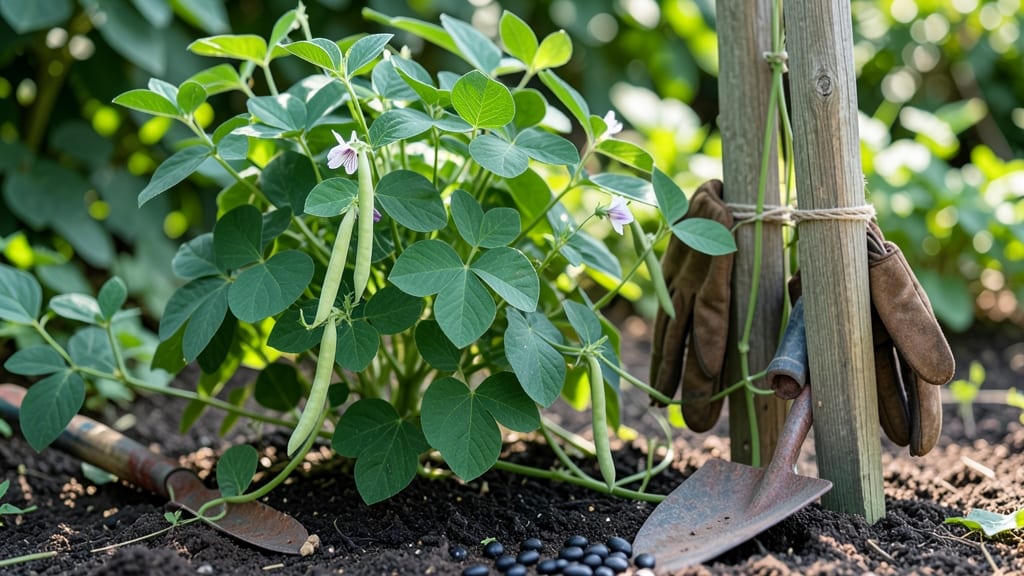
To plant cowpeas in Texas at the perfect time means avoiding the two biggest mistakes most gardeners make—planting too early when soil’s still cold or too late when summer’s brutal heat slows growth.
Cowpeas 🌱 love warmth, but they won’t germinate until soil hits 65°F or higher. In North Texas (Zone 8a), that usually means waiting until mid-April after frost danger passes, while South Texas gardeners can start as early as March in Zone 10b.
Why does timing matter so much? Because cowpeas bolt (flower too fast) in extreme heat, and seedlings rot in chilly soil. I’ll show you exactly how to check soil warmth and adjust planting for your region—plus which varieties handle Texas heat best.
Get it right, and you’ll have tender pods ready in just 60–90 days. Skip the guesswork and let’s make your harvest fast and foolproof.
Texas soil temperature zones for cowpea germination success
Cowpeas are heat-lovers, but they need the right soil temperature to germinate properly. In Texas, ideal germination temperatures range between 65°F–85°F. Planting too early in cold soil or too late in scorching heat can lead to poor sprouting or weak seedlings.
Understanding your regional climate zone helps you time your planting for success.
Texas is divided into three key climate zones for cowpea planting: North Texas (USDA Zones 7b-8a), Central Texas (USDA Zones 8a-8b), and South Texas (USDA Zones 9a-10b).
Each zone has different soil warming patterns due to variations in last frost dates and summer heat intensity. Let’s break down the best soil temperature ranges for each region.
🌱
To check your soil temperature before planting, use a soil thermometer or a simple DIY method. Bury the thermometer 2 inches deep in the soil and monitor readings for 3–5 days.
If temperatures consistently fall below 65°F, wait a few more weeks. In North Texas, this often means delaying planting until late April or early May.
In Central Texas, soil warms faster, so you can start sowing cowpeas as early as late February if you use row covers or black plastic mulch to retain heat.
However, avoid planting when nighttime temperatures drop below 55°F, as this can stunt seedling growth. Use a minimum-maximum thermometer to track nighttime lows.
For South Texas gardeners, the challenge is avoiding the peak summer heat. Soil temperatures can exceed 90°F in July and August, which can cause seeds to dry out or fail to germinate.
Plant heat-tolerant varieties like 'Purple Hull' or 'Black-Eyed Pea' in early spring (February) and again in late summer (August) for a fall harvest.
If you’re unsure about your local soil warming patterns, observe nearby warm-season crops like okra or sweet potatoes. These plants thrive in similar temperature ranges and can give you a rough idea of when your soil is ready.
For example, if okra is already flowering by mid-April in your area, your soil is likely warm enough for cowpeas.
Another trick is to use staggered planting. Sow a small batch of seeds every 2–3 weeks during your region’s planting window. This ensures a continuous supply of fresh pods and reduces the risk of losing your entire crop to sudden temperature shifts.
For instance, in Central Texas, you might plant your first batch in late March, followed by additional batches in early May and June.
🌡️
Remember, cowpeas are drought-tolerant once established, but they need consistent moisture during germination. Water the soil to a depth of 1–2 inches before planting and keep it evenly moist until seeds sprout.
Overwatering can lead to soil compaction or fungal issues, so always allow the top inch of soil to dry slightly between waterings.
By aligning your planting schedule with your local soil temperature zones and using these practical tips, you’ll give your cowpeas the best chance to thrive in Texas’ unique climate. Happy gardening!
Best planting months in Texas by region (with frost risk alerts)
Texas’ diverse climate means cowpeas can thrive year-round in some regions but struggle with frost damage in others. North Texas gardeners should wait until April–June when soil warms to 65°F+, while South Texas growers enjoy a longer window from March–August.
Timing matters—seedlings wilt if planted too early, even in heat-loving cowpeas.
Frost dates vary wildly across the state. In North Texas (USDA Zones 7b–8a), the last frost typically occurs March 15–April 15, but cowpeas need consistent warmth.
South Texas (Zones 8b–10a) rarely sees frost, but cool snaps in February can still stress young plants. Always check your local agricultural extension for precise frost alerts.
- North Texas (Zones 7b–8a): Plant April 1–June 15 after last frost (March 15–April 15). Use row covers if early planting is tempting.
- Central Texas (Zones 8a–8b): Ideal window is March 15–July 15. Monitor soil temps—wait until 65°F+ for germination.
- South Texas (Zones 9a–10a): Plant February–August. No frost risk, but avoid extreme heat (>95°F) which causes bolting.
- East Texas (Zones 7b–8b): Follow North Texas timing but add 1–2 weeks due to higher humidity delaying soil warming.
- West Texas (Zones 8a–9a): Plant April–June or September for fall harvests. Irrigation is critical in dry climates.
To extend your growing season, consider succession planting. In North Texas, sow new seeds every 2–3 weeks from April through June for continuous harvests. South Texas gardeners can plant fall crops in September to avoid summer’s peak heat, which reduces pod production.
Always choose heat-tolerant varieties like ‘Purple Hull’ or ‘Black-Eyed Pea’ for better success.
If you’re in a high-frost-risk zone, start seeds indoors 4–6 weeks before your last frost date using biodegradable pots. Transplant seedlings outdoors only when soil reaches 70°F+—this ensures strong root establishment before Texas’ summer heat sets in.
Harden off seedlings gradually by exposing them to outdoor conditions for 1–2 hours daily before transplanting.
Remember, cowpeas are drought-tolerant but still need consistent moisture during germination. In West Texas, use drip irrigation to keep soil evenly moist without wasting water. Mulch with straw or grass clippings to retain soil moisture and regulate temperature—this is especially helpful in sandy soils that dry out quickly.
By aligning your planting schedule with local frost dates and soil temperatures, you’ll maximize your cowpea harvest. Whether you’re in freeze-prone North Texas or tropical South Texas, timing is everything for these heat-loving legumes. Happy planting! 🌱