
Plants
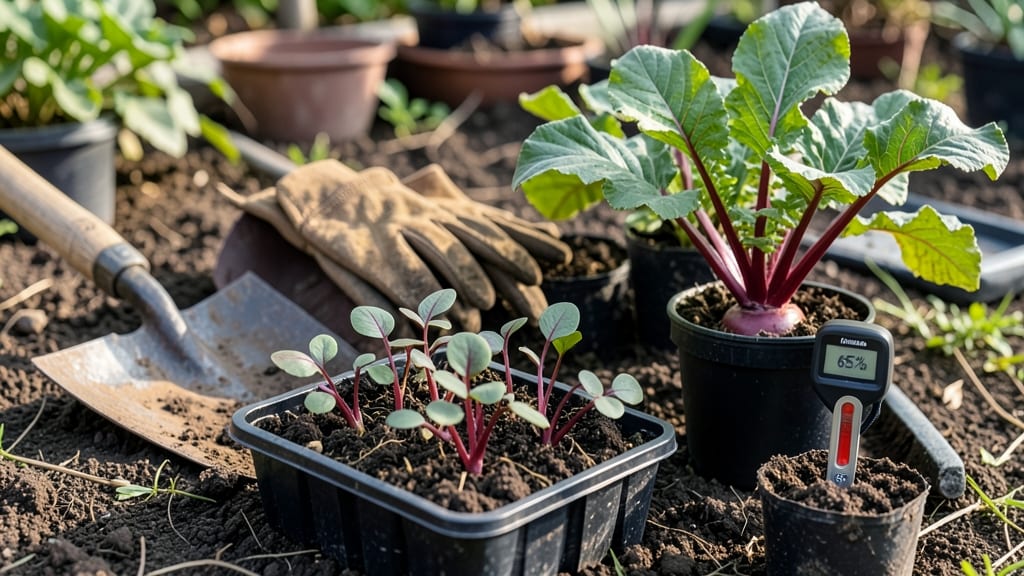
Timing your 🍠 beet planting in Colorado isn’t just about following a calendar—it’s about outsmarting the state’s wild elevation swings and unpredictable frost dates. Plant too early, and a late snowstorm could wipe out your seedlings; too late, and you’ll miss the sweet spot for a summer harvest.
The difference between a thriving garden and a failed crop often comes down to knowing when to push those seeds into the soil for your specific zone.
Most Colorado gardeners assume March is the only month that matters, but that’s where they go wrong. The Front Range’s 5-7 USDA zones demand a more nuanced approach—spring plantings should start as early as mid-March in lower elevations, while high-altitude growers in zones 6-7 might need to wait until April.
And don’t even get me started on fall plantings: July and August are your golden windows, but timing depends on whether you’re in Denver’s urban heat island or the cooler mountain valleys.
Here’s the game-changer: frost dates vary by hundreds of feet in elevation, meaning a neighbor’s successful harvest might not work for you.
I’ll break down the exact planting windows for your area, from soil prep tricks to frost-proofing strategies, so you can finally stop guessing and start growing consistent, homegrown beets—no matter where you live in Colorado.
Ready to turn your garden into a beet bonanza? Let’s dive into the elevation-specific planting schedule that’ll have you harvesting sweet, tender roots from June through October—without the stress of last-minute frost surprises.
Colorado’s beet planting zones: exact frost dates by elevation
Colorado’s dramatic elevation shifts—from 5,000 feet on the Front Range to 10,000 feet in mountain valleys—mean your beet seeds might thrive in Denver while freezing in Leadville. Understanding these microclimates is key to timing your plantings perfectly.
Beets are cold-hardy but struggle with late frosts and short growing seasons, so knowing your last frost dates by elevation ensures a reliable harvest.
For Front Range gardeners (Denver, Boulder, Fort Collins), the average last frost ranges from April 15–May 1, while Western Slope areas (Grand Junction, Durango) enjoy earlier springs (March 20–April 5).
Mountain regions (Eagle County, Summit County) face later frosts (May 10–June 1), delaying planting by 4–6 weeks. These variations directly impact your spring and fall planting windows.
Here’s the critical data you need: last frost dates, first frost dates, and exact planting windows tailored to Colorado’s three main regions. Use this to schedule your beets for maximum yield and avoid common mistakes like bolting from heat stress or frost damage.
In the Front Range, where most home gardens thrive, aim to plant beet seeds 4–6 weeks before your last frost. For example, if your last frost is April 30, start seeds indoors March 15–20 or direct-sow March 20–April 1.
This gives your beets 60–75 days to mature before summer heat stresses them. In high-elevation zones, like Summit County, wait until late May to avoid frost damage.
Fall planting is trickier in Colorado due to early frosts. In the Front Range, sow seeds July 15–August 15 for a harvest before the October 10–15 first frost.
On the Western Slope, you can push fall planting to August 10, while mountain regions should finish by July 31. Always use row covers to extend your season by 2–3 weeks.
Adjust your USDA zone expectations: Colorado’s Zone 5–7 designation is a starting point, but elevation trumps it. A 6,000-foot garden in Zone 6 might have the same frost dates as a 4,500-foot Zone 5 garden.
Use local weather stations or Almanac frost data for precise timing. For instance, Denver (Zone 5b) has a shorter frost-free season than Grand Junction (Zone 6a), even though they’re both Zone 5–7.
Pro tip: Hardened varieties like ‘Detroit Dark Red’ or ‘Golden’ handle Colorado’s temperature swings better than tender heirlooms. Pair them with black plastic mulch to warm the soil 5–10°F, accelerating growth in cool springs.
Test your soil’s pH (6.0–7.0) and amend with compost to improve drainage—beets hate soggy soil.
Best beet varieties for Colorado’s climate and soil types
Colorado’s rocky, alkaline soils and variable elevations demand beet varieties that thrive under pressure. The wrong choice can mean bitter roots or stunted growth, but the right cold-hardy or heat-tolerant variety turns your garden into a beet powerhouse.
For high-altitude zones like Fort Collins (6,000+ ft), I swear by 'Detroit Dark Red'—its deep roots tolerate thin, rocky soil, while 'Golden Beet' sweets up quickly in Denver’s 7,000-ft zone.
Lower elevations near Pueblo or Colorado Springs? Opt for 'Chioggia', the striped beauty that handles hotter summers without bolting. And don’t overlook 'Babybeat'—perfect for short-season gardens where frost sneaks in early. Each variety has trade-offs, so let’s break down the pros and cons to match your microclimate.
🌱 Best Beet Varieties for Colorado
✅ Cold-hardy to 25°F
✅ Thrives in rocky soil
❌ Longer maturity (60-70 days)
🌡️ Best for zones 5-6
✅ Sweet, tender roots
✅ Faster harvest (50-60 days)
❌ Less cold-tolerant (30°F limit)
🌡️ Best for zones 6-7
✅ Heat-tolerant (up to 90°F)
✅ Striped beauty (great for salads)
❌ Bolt risk in short seasons
🌡️ Best for zones 7-8
✅ Ultra-fast (40-50 days)
✅ Short-season hero
❌ Small roots (1-2 inches)
🌡️ Best for all zones
💡 Pro Tip: Amend alkaline soil with sulfur or peat moss to prevent bitter flavors.
For alkaline soils common in Colorado, soil prep is non-negotiable. Before planting, mix in compost and gypsum to break up clay and lower pH. I’ve seen Detroit Dark Red roots turn woody in untreated soil—yikes!
Test your soil’s pH first; aim for 6.0-7.0. If your garden sits on limestone bedrock (hello, Front Range!), add organic matter like leaf mold to improve drainage.
Don’t overlook succession planting for continuous harvests. Sow Babybeat every 2 weeks from April to July, then switch to Chioggia for late-summer heat. I’ve extended my harvest by 3 months using this trick in my Denver garden. Just remember: thin seedlings to 3-4 inches apart to avoid competition.
Heat waves? Shade cloth saves the day. Drape 30% shade fabric over Chioggia during 90°F+ days to prevent bolting. I’ve lost entire rows to sudden heat spikes—don’t make my mistake! For high-altitude gardens, use row covers to protect young seedlings from late frosts after April 15.
Colorado’s short growing season means every day counts. Pair cold-hardy varieties like 'Detroit Dark Red' with early spring plantings, and reserve 'Chioggia' for July-August heat. With the right variety and soil prep, you’ll harvest sweet, tender beets from June through October—no matter your elevation.
Now grab your gloves and get planting! Your garden’s about to become the talk of the neighborhood. 🌱