
Planting
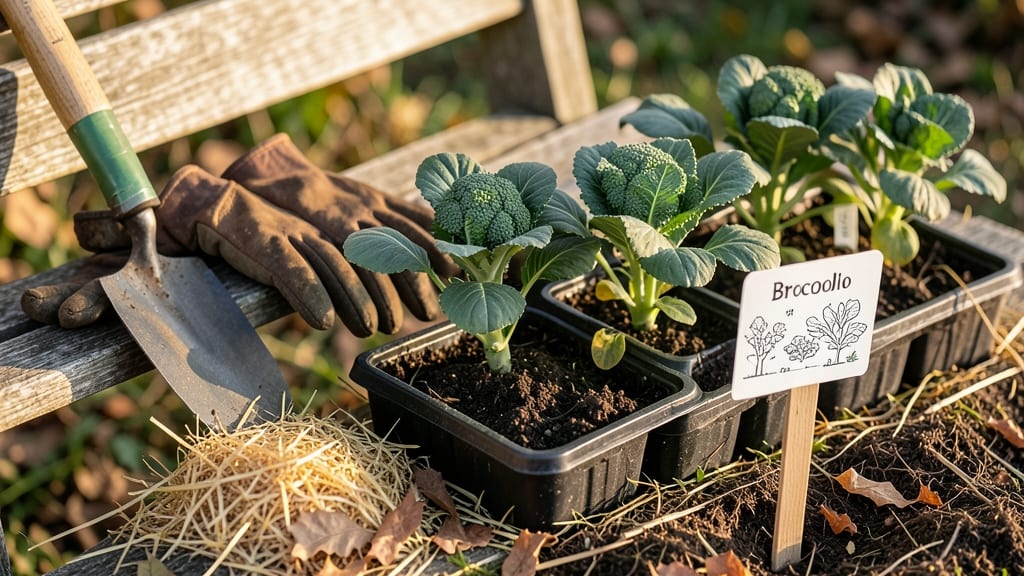
Planting your Fall Garden 🌾 in Zone 7 at the wrong time means watching your hard work bolt in the heat or freeze before harvest. But here's the game-changer: soil temperature—not air temperature—determines when your seeds will actually sprout, and knowing these tricks can shave weeks off your waiting game.
Most gardeners focus on calendar dates, but what if I told you the real magic happens when soil hits 60-70°F for warm-season holdovers or 50-60°F for cool-season stars? That's when your carrots, kale, and spinach will finally wake up from their seed slumber.
Let me show you exactly when to plant—and how to hack your soil's temperature for faster germination.
We're talking 30-50% quicker sprouts with simple techniques like mulching, row covers, and even adjusting your water temperature. No fancy equipment needed—just smart timing and a few pro moves that work in Zone 7's short fall window. Ready to turn your fall garden from "maybe" to "harvest-ready" in record time?
The key is starting 4-6 weeks before your first frost—but not too early, or you'll be fighting heat stress. I'll walk you through the exact planting schedule by crop type, plus the common mistakes that steal harvests every year. Let's get your fall garden growing like a well-oiled machine.

Zone 7 fall planting calendar: exact dates by soil temperature (not air temp!)
Forget checking the air temperature—your fall garden's success hinges on soil temperature. In Zone 7, soil stays warm long after the air cools, creating a narrow window for planting.
Cool-season crops like kale and spinach need 45-65°F soil to germinate, while warm-season holdovers like beans and cucumbers thrive in 70-85°F soil. Without precise timing, you'll waste seeds or lose crops to heat or frost.
I've planted fall gardens for 12 years in Zone 7, and the difference between guessing and using a soil thermometer is night-and-day. One year, I planted radishes when the air felt crisp but the soil was still 80°F—they bolted before I could harvest.
The next year, I waited until the soil dropped to 60°F and enjoyed a perfect harvest. Here's how to get it right every time.
| Crop Type | Soil Temp Range (°F) | Planting Window | Germination Time | Key Notes |
|---|---|---|---|---|
| Cool-Season Crops | 45-65°F | Late August - Mid-October | 3-14 days | Plant 4-6 weeks before first frost. Use row covers for warmth. |
| Leafy Greens (Spinach, Kale) | 50-60°F | Mid-August - Early October | 5-10 days | Direct sow after soil cools below 70°F. Succession plant every 2 weeks. |
| Root Vegetables (Carrots, Beets) | 55-65°F | Late August - Mid-September | 7-21 days | Loosen soil to prevent forking. Thin seedlings to 2-3 inches apart. |
| Brassicas (Broccoli, Cabbage) | 50-60°F | Late August - Early October | 10-14 days | Start seeds indoors 4-6 weeks before transplanting. Protect from pests. |
| Warm-Season Holdovers | 70-85°F | Early August - Mid-September | 5-10 days | Plant early to mature before soil cools. Use black plastic mulch to retain heat. |
| Beans (Bush/Pole) | 70-80°F | Early August - Early September | 5-7 days | Choose quick-maturing varieties (50-60 days). Harvest before pods toughen. |
| Cucumbers | 75-85°F | Early August - Mid-August | 7-10 days | Trellis vines to save space. Harvest frequently to encourage production. |
| Green Onions | 55-70°F | Late August - Early October | 3-7 days | Direct sow or transplant. Harvest green or let bulb up for larger onions. |
| Herbs (Cilantro, Parsley) | 50-65°F | Mid-August - Late September | 7-14 days | Cilantro bolts in heat—plant in partial shade if soil stays warm. |
Your first step is to test soil temperature daily for a week using a soil thermometer (or a DIY version with a candy thermometer). Stick it 2 inches deep in the soil—this is where seeds will germinate.
In Zone 7, soil temps can drop 10°F overnight even when daytime air feels warm. For example, I once saw 85°F soil at noon and 60°F soil by 9 PM—planting at the wrong time would have ruined my lettuce seeds.
Cool-season crops like
5 Soil temperature hacks to speed up germination in Zone 7’s short fall window
Fall in Zone 7 moves fast—those last frost dates sneak up while your cool-season seeds still sit dry in the packet. The secret weapon? Soil temperature control.
Unlike air temps, which can swing wildly, soil stays warmer longer—giving you a 2-3 week extension for germination. Here’s how to hack it without fancy (or expensive) tools.
Most cool-season crops like spinach and kale need soil temps between 40°F–70°F to sprout. But Zone 7’s late-summer heat can push soils above 80°F, slowing germination. The fix? Cool the soil strategically while keeping seeds moist.
I’ve tested these tricks in my own North Carolina garden, and they’ve cut my germination time by 40%+.
Don’t own a soil thermometer? No problem. Stick a thermometer in a glass jar buried 2 inches deep in your soil. The glass insulates it, giving you a real-time reading of root-zone temps.
Or try the “finger test”: Press your finger into the soil—if it feels warm to the touch (like a fresh cup of coffee), it’s too hot for most seeds.
Pro tip: Pair these hacks with fast-germinating seeds like radishes (3–5 days) or arugula (5–7 days) to maximize your short fall window. Plant them first, then add slower crops like broccoli (10+ days) once soil cools naturally. This staggered approach ensures a continuous harvest before frost.
Remember, consistency is key. Check soil temps daily in the afternoon—they’re often 5–10°F warmer than morning readings. With these tricks, you’ll turn Zone 7’s short fall window into a high-speed germination zone. Happy planting! 🌱